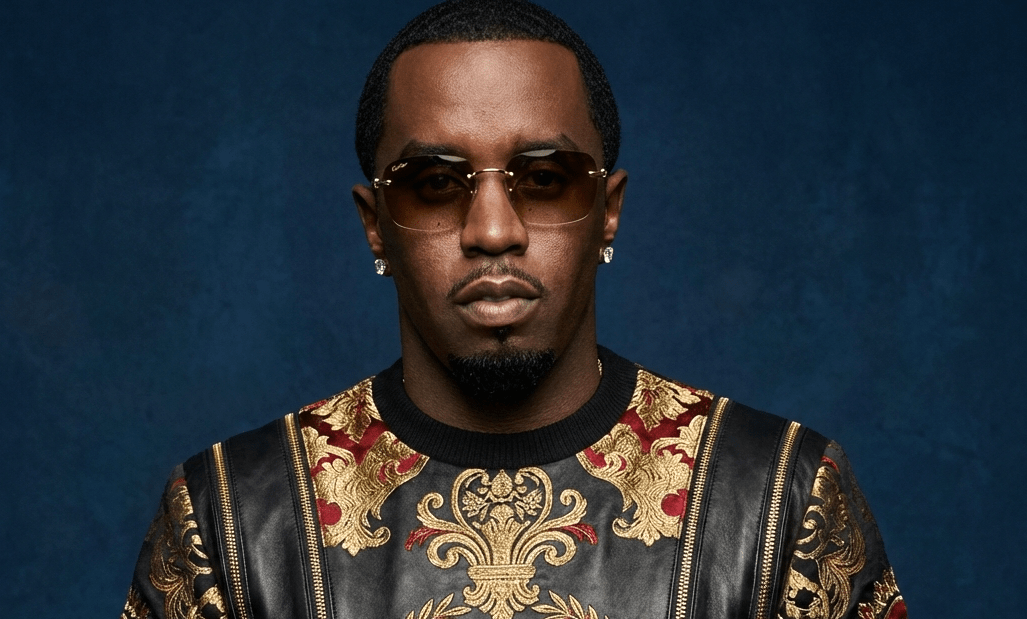
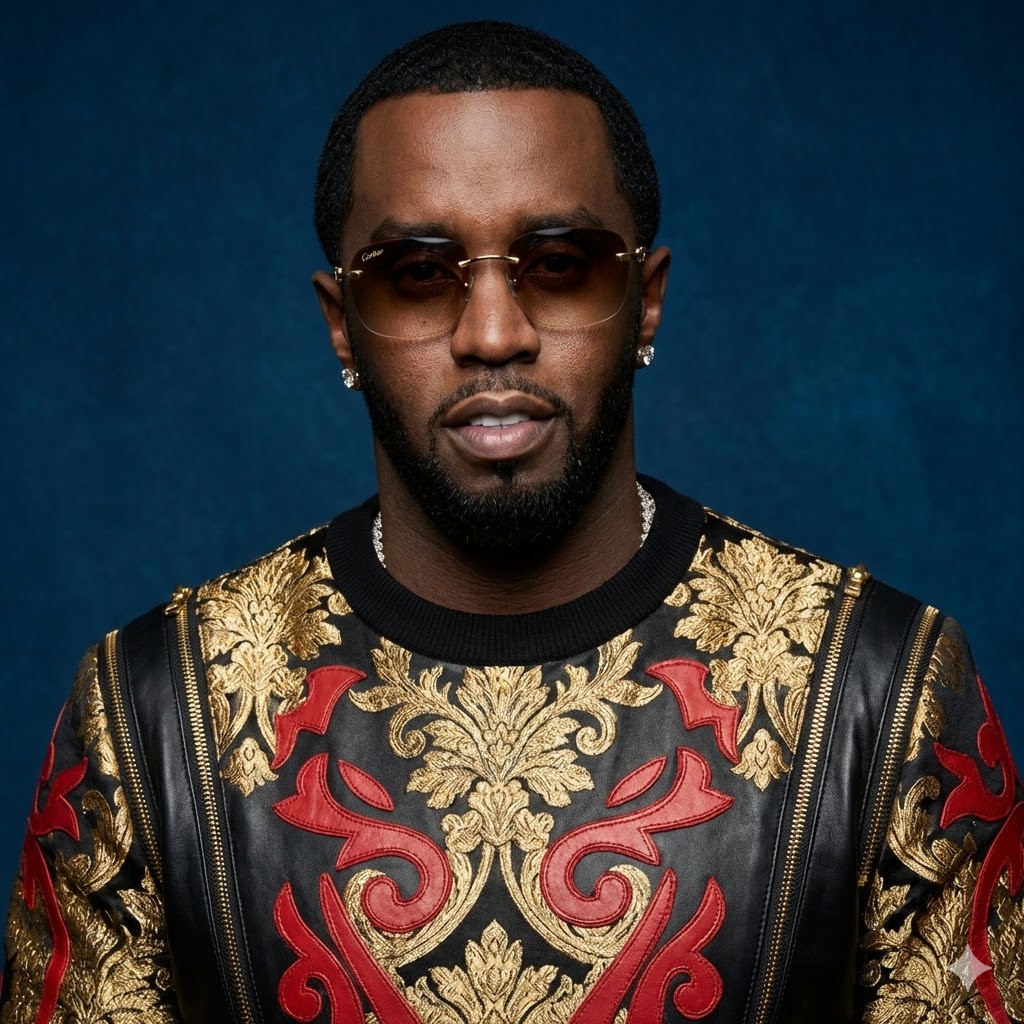
👑 How Diddy’s Re‑Engineering His Empire After the Revolt Shakeup
📈 Current Data / Mogul Headline Overview
In 2025, Sean “Diddy” Combs quietly filed four new LLCs linked to AI-powered music data analytics, media and streaming technology. These filings mark the foundation of a major digital pivot. Industry insiders say Combs has spent the last two years dismantling outdated business models and rebuilding from the ground up.
This time its around AI automation, blockchain transparency, and cross‑cultural tech collaborations. His strategy signals that the new entertainment economy will belong to those who control distribution intelligence rather than the airwaves.
After the public controversy and transition surrounding Revolt TV, Diddy has doubled down on building an empire that no longer depends on networks or gatekeepers. He’s constructing a self‑sufficient digital ecosystem designed to manage data, rights, and global audience engagement through algorithmic precision.
💡 Narrative Breakdown: The Architecture of Diddy’s New Era
1. From Broadcast to Blockchain
Diddy’s transformation represents a monumental shift from television ownership to blockchain‑driven media infrastructure.
Instead of competing for time slots or advertising budgets, he’s focusing on music‑rights tokenization: a structure that allows songs, beats, and catalogues to be verified, licensed, and paid out automatically.
Each transaction is recorded through smart contracts, ensuring full transparency for both artist and investor. The goal is simple: to create a system that never sleeps, where creative work continues to earn income without manual oversight.
This approach echoes his long‑standing mantra of ownership. What once applied to Bad Boy Records and Cîroc, now extends into decentralized digital publishing. Diddy wants artists to think like software owners, not talent waiting for approval.
2. The African Connection
Insider reports confirm that Diddy’s companies are now linked with African fintech and media powerhouses operating in Lagos, Accra, and Johannesburg. These ventures are part of a larger Pan‑African economic strategy: a movement connecting Black innovators worldwide through shared equity and digital infrastructure.
This is not charity or symbolism; it’s strategic market alignment. Africa’s growing youth population and mobile economy create a trillion‑dollar opportunity for digital entertainment and financial technology.
By investing in Africa’s creative industries and AI infrastructure, Combs is positioning his empire as the connective tissue between diaspora creators and a new global middle class hungry for authentic culture and accessible tech.
This shift reflects a broader trend among Black moguls who now see Africa not as an emerging market, but as the future headquarters of global innovation.
3. Data as the New Royalty Check
Combs’ new ventures revolve around one asset: data. The old music business paid artists by physical sales or streams; the new business pays them through information.
Diddy’s analytics platforms can track what audiences listen to, where they listen, and how that behavior shifts by time and geography. That knowledge is power: it allows him to predict hit potential before songs even trend.
By mastering predictive analytics, Combs gains leverage in negotiations, licensing, and brand collaborations. For Primal Mogul members, this concept is critical: data ownership creates the same leverage that masters once did for labels. Whoever understands the algorithm, controls the outcome.
4. Licensing as Leverage
In the digital economy, licensing is empire currency. Instead of chasing brand deals or television slots, Diddy builds value by licensing his image, sound, and media systems.
Every remix, appearance, or meme becomes a monetizable event. This evolution marks a departure from celebrity‑driven culture toward enterprise‑driven ecosystems, where fame is engineered through controlled digital property, not constant exposure.
Licensing also gives Combs global flexibility. He can enter markets like Africa, Europe, and the Middle East without building offices or managing physical teams. His brand moves through code, contracts, and AI automation: an approach perfectly suited to the modern digital mogul.
5. Rebuilding the Brand Through AI Media Infrastructure
Behind the scenes, Diddy’s production companies are collaborating with digital labs and AI research firms to develop intelligent video recommendation engines and real‑time streaming personalization software.
These systems aim to rival what platforms like Netflix and Apple Music already use: but with cultural DNA built into their data sets. The vision is for future audiences to experience entertainment that understands both their taste and their identity.
This stage of his career shows Combs’ progression from entertainer to architect. He is not simply participating in culture; he’s programming it, designing frameworks that will generate value long after the spotlight moves on.
🧠 What It Means for Primal Mogul Members
Diddy’s digital blueprint represents the new definition of entertainment ownership in the AI era. The modern mogul doesn’t chase attention: he builds custom AI automation systems that turn creativity into equity.
For Primal Mogul members, these lessons translate into daily execution:
- AI‑Driven Ownership: Your business should run through AI automation tools that measure, market, and scale your output.
- Blockchain Literacy: Understanding decentralized contracts turns creators into publishers and distributors in one.
- Cultural Expansion: Look beyond domestic markets. The African, Caribbean, and Latin American economies crave tech‑driven content leadership.
- Automation Edge: Replace busywork with systems that handle billing, tracking, and analytics while you focus on innovation.
- Strategic Patience: Just as Diddy spent decades evolving from artist to investor, members must balance fast tech adoption with long‑term execution.
When you view your work through this lens, every digital footprint becomes an asset, every post becomes marketing data, and every product evolves into software.
🚀 Tactical Takeaways: Actionable Plug‑Ins
1. Audit Your Intellectual Property: Document every piece of content, course, beat, video, or brand design you own. Use licensing templates and copyright registries to secure each one.
2. Study Blockchain Licensing Platforms: Join Opulous, Audius, or Sound.xyz to understand how tokenized ownership functions. Practice converting a single project into an NFT‑based revenue system.
3. Leverage PrimalMusic AI: Use Primal Mogul’s AI music and data tools to analyze audience segments, forecast engagement, and plan automated campaigns.
4. Build Your Distribution Engine: Automate publishing, email capture, and royalty tracking using available AI‑driven content systems. Set up dashboards that show where your brand moves and why.
5. Create Cross‑Continent Partnerships: Find collaborators in Africa and emerging markets. Joint ventures between U.S. creators and African developers are the fastest‑growing business models in entertainment.
6. Monetize Licensing Opportunities: Treat your visuals, voice, and intellectual systems as digital real estate. Build multiple income streams through brand collaborations and content syndication.
❓ Power FAQs
Q: Why does blockchain matter for independent creators?
A: Blockchain eliminates confusion and exploitation by recording every creative transaction publicly. It removes the middlemen who traditionally profited from artist labor.
Q: How can AI create new revenue for creative professionals?
A: AI automates discovery, marketing, and analytics. It predicts buyer behavior, allowing creators to release products that meet demand in real time.
Q: What’s the most realistic first step toward building an AI‑music business?
A: Begin with what you already have: your data. Analyze where your music or products perform best and automate delivery to those audiences using PrimalMusic AI.
Q: Can this approach work for non‑musical creators?
A: Absolutely. AI‑driven distribution works for podcasters, coaches, authors, and educators. Any AI product or message can be automated into a self‑running content engine.
Q: How do partnerships with Africa help a U.S. entrepreneur?
A: They expand your access to markets with massive digital growth potential and provide early entry into ecosystems that value innovation over hierarchy.
🔒 Power Conclusion
Sean Combs’ digital reinvention shows what deliberate evolution looks like at the top of the entertainment pyramid. He’s building advanced AI systems that operate without his physical presence: a true sign of mastery.
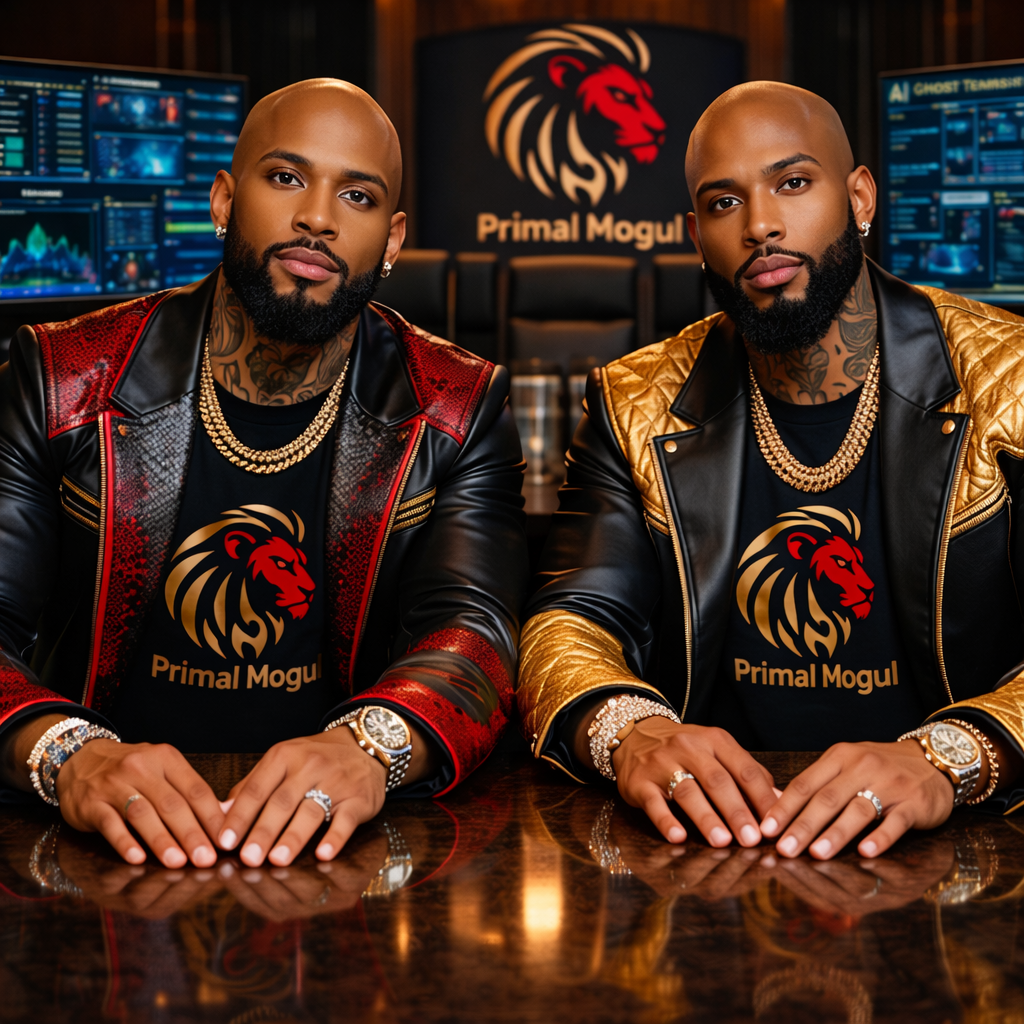
For the next generation of builders inside Primal Mogul, this marks the blueprint for AI‑era success: control your data, automate your infrastructure, and convert every creative asset into a digital enterprise.
Ownership today means more than contracts; it means control of the code that defines distribution, visibility, and influence. Those who master these systems will not just participate in culture: they will architect it.
💼 Member‑Only Deep Dive Tease
Access the exclusive deep‑dive inside the Primal Mogul Elite Mogul Vault:
“How to Launch Your Own AI‑Music Distribution Startup”
Members gain access to:
- Comprehensive AI distribution frameworks and monetization models
- Smart contract templates and cross‑platform licensing blueprints
- Case studies on automated brand systems and predictive analytics
- Weekly AI system update briefings and media automation tutorials
👉 Join the Primal Mogul Membership today to master algorithmic wealth, digital licensing, and AI‑powered cultural influence for 2026 and beyond.
Primal Mogul Elite