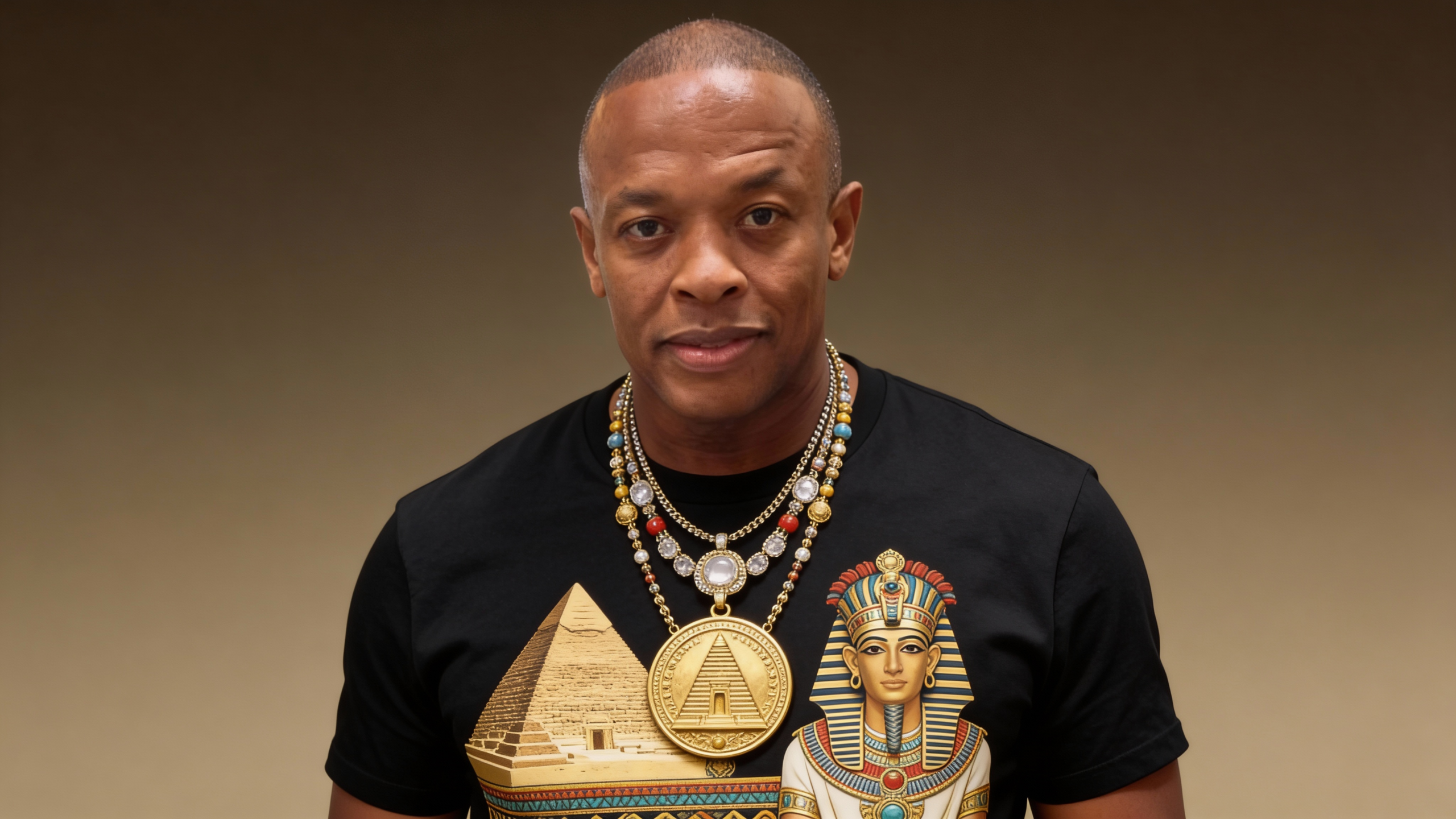

Dr. Dre: How a Music Legend Built a Lasting Business Dynasty
Introduction: More Than Music
Andre Romelle Young, known to the world as Dr. Dre, did not build his modern business dynasty by chasing attention or staying in the spotlight every year. His path was slower, more focused, and far more strategic.
While many people know him as one of the greatest producers in hip-hop history, that title only explains part of his story.
Behind the music is a carefully built business structure based on ownership, patience, and long-term thinking. Dr. Dre understood early that popularity fades, but business systems and assets can last for decades.
This power bio explains how Dr. Dre turned creative talent into real business power. It shows how music, brands, technology, and smart decisions came together to create stability and control instead of constant pressure.
His simple approach offers lessons for anyone who wants to build something strong instead of always chasing the next win.
Early Foundation: Learning Control Before Fame
Dr. Dre’s early career set the tone for everything that followed. As a member of N.W.A., he was not just performing music. He was shaping sound, quality, and direction. Production was his way of leading the music game.
Instead of rushing for attention, Dre focused on getting better at his craft. He worked patiently and demanded high standards. Over time, people began to trust his judgment and rely on his ear for the right sound. That trust became his first form of leverage.
This stage shows an important lesson: real authority is built before money arrives. Dre’s perfectionist skills and discipline made him valuable long before the financial rewards came.
Key Results From This Stage
• Strong creative control
• Deep trust from collaborators
• Long-term relevance
• Early understanding of ownership
Key Insight: Skill and discipline create power before income shows up.
Aftermath Entertainment: Turning Talent Into a System
After leaving Death Row Records, Dr. Dre started Aftermath Entertainment. Instead of signing many artists, he chose a small number and invested deeply in them. His laser focus was about quality, not speed.
Artists like Eminem, 50 Cent, Kendrick Lamar, and Anderson .Paak were not treated as quick releases. They were developed to build catalogs that would earn money for years. This made Aftermath less risky and far more durable than record labels chasing trends.
Aftermath became a profitable business system that produced value again and again.
Why Aftermath Worked
• Careful artist selection
• Strong ownership of music catalogs
• Ongoing royalty income
• Consistent brand reputation
Key Insight: Long-term income comes from building assets over time, not rushing output.
Beats Electronics: Culture Meets Technology
Beats Electronics marked a major shift in Dr. Dre’s career. He moved beyond music into technology by understanding culture. Dre and Jimmy Iovine saw that headphones were functional but boring. They decided to combine Dr Dre’s sound quality with identity and style.
Beats became a cultural symbol, not just a headphone product. When Apple bought the company for about three billion dollars, it proved that hip-hop culture can greatly increase business value when paired with useful technology.
Lessons From Beats
• Culture increases product value
• Design and identity matter
• Exit planning starts early
Key Insight: Products grow faster when people connect with them emotionally.
Intellectual Property: Quiet Income Over Time
One of Dr. Dre’s strongest assets is ownership of music rights. Music catalogs earn money through streaming, movies, commercials, and licensing. This income continues even when new music is not released.
Dre treated ownership as a financial tool. He sold parts of his music catalog when it made sense while keeping long-term value. This created flexibility and stability.
Benefits of Ownership
• Ongoing income
• Less pressure to produce constantly
• Protection during market changes
Key Insight: Ownership pays long after attention fades.
Real Estate: Stability and Privacy
Dr. Dre also invested heavily in real estate. High-value properties protect wealth and provide stability outside the music industry. Real estate helped balance income that could fluctuate with trends.
These real estate properties also gave him privacy and control over his environment.
Why Real Estate Matters
• Preserves wealth
• Reduces risk
• Creates long-term value
Key Insight: Stable assets support long-term thinking.
Leadership Style: Quiet and Focused
Dr. Dre leads without noise and leads as a shadow mogul. He works behind the scenes, chooses partners carefully, and avoids unnecessary exposure. Projects move only when they meet his standards.
This patience lowers mistakes and protects reputation.
Leadership Traits
• High standards
• Few but strong partnerships
• Focus over visibility
Key Insight: Less noise often means more control.
Net Worth and Financial Position (2026)
As of 2026 estimates, Dr. Dre’s net worth sits in the high hundreds of millions. This includes income from Beats, music catalogs, real estate, and royalties. More important than the number is how stable his income sources are.
Key Insight: Stability matters more than headlines.
Future Direction: Steady Growth
Dr. Dre’s recent projects suggest continued focus on selective investments, lifestyle brands, and mentorship. Rather than chasing trends, he builds on what already works.
Key Insight: Growth is strongest when direction stays consistent.
Why This Matters for Primal Mogul Members
Dr. Dre’s path illustrates how creators become architects. Primal Mogul Members studying this model learn how to:
• Convert skill into structure
• Protect ownership while expanding reach
• Build exit-ready ventures
• Reduce dependency on constant effort
Primal Mogul translates these patterns into usable frameworks that help members design durable operations
Frequently Asked Questions
How did Dr. Dre transition from music into technology?
He focused on cultural relevance first, then paired it with functional products that scaled.
Was Beats successful due to branding alone?
No. It combined sound quality, design discipline, and cultural alignment.
Does catalog ownership still matter today?
Yes. Intellectual property remains one of the most reliable income sources.
Can smaller operators apply these principles?
Yes. Structure scales at every level.
Power Conclusion: Build Structure, Not Noise
Dr. Dre did not win by staying loud. He won by building structure, owning assets, and thinking long-term. His career proves that freedom comes from design, not constant motion.
Those who build systems gain control. Those who chase attention stay dependent.
Join Primal Mogul
Primal Mogul exists for builders ready to move beyond transactions. Primal Mogul Members gain access to frameworks, tools, and intelligence designed for structured growth.
Explore the systems. Apply the lessons. Design something that lasts.