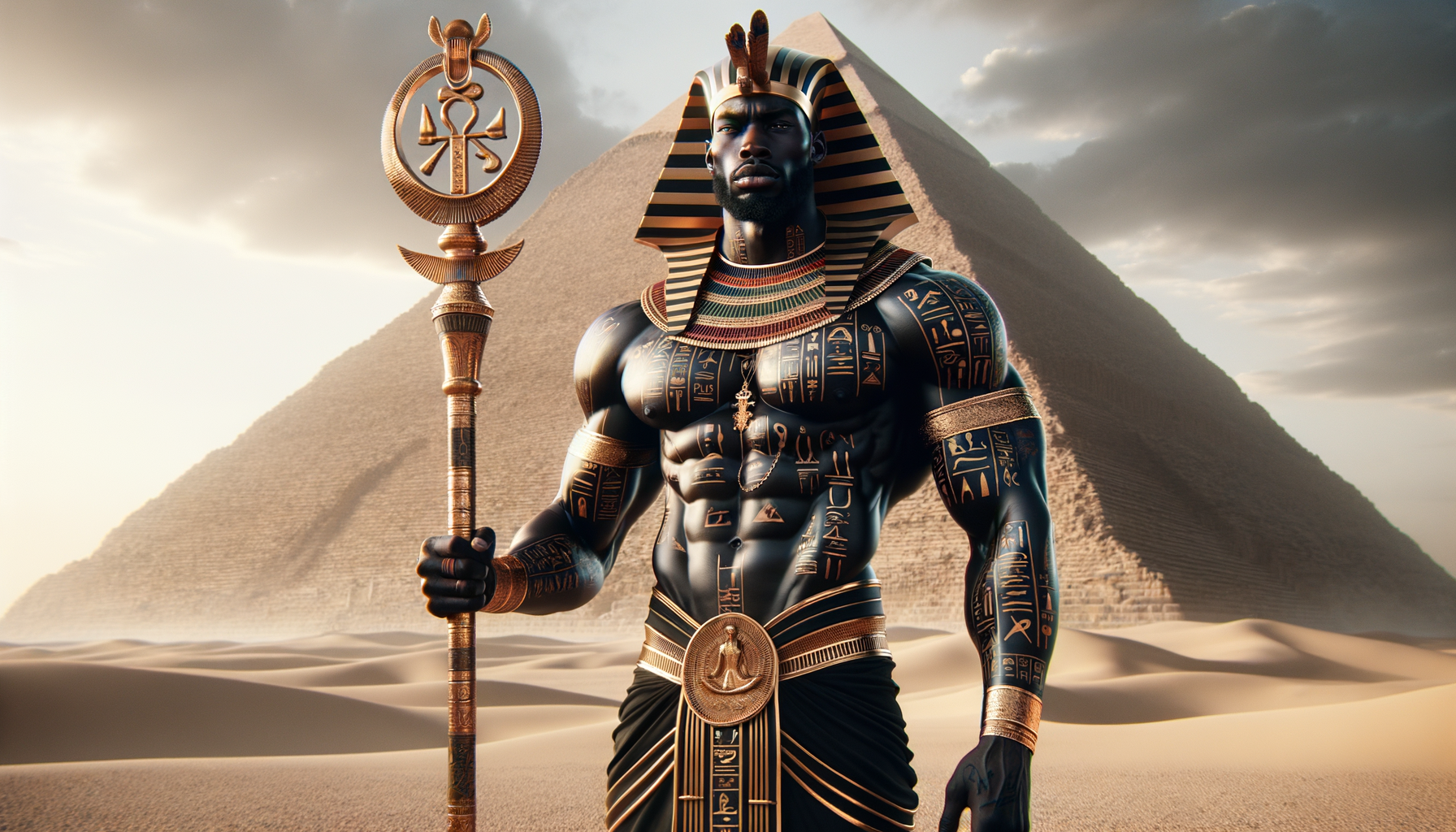
π Rule Your Kingdom Like an Ancient Egyptian Pharaoh
Welcome to the realm of ultimate power and timeless strategy. Pharaohs werenβt just rulersβthey were architects of destiny, commanding empires that shaped history and left legacies carved in stone. To be a Ancient Egyptian Pharaoh was to embody greatness, balancing the divine and the mortal to lead a nation to glory.
This power post is a masterclass in leadership, ambition, and domination.
If youβve ever envisioned yourself at the helm of your own empireβwhether thatβs your life, your business, or your crewβthen itβs time to channel the spirit of the Pharaohs.
These ancient leaders reigned supreme not just because of their titles but because they played the game at the highest level.
This power post will show you exactly how to tap into that energy and rule like the gods themselves.
Letβs get into it.

π How Pharaohs Were Chosen
Pharaohs were not elected; they were destined. From the moment of their birth, the stars and cosmic order seemed to align in their favor.
The position was seen as divine, passed through sacred bloodlines or chosen by powerful priests and elites who believed the individual embodied Maatβthe principle of balance, truth, and cosmic order.
To the people, the Pharaoh was not just a ruler but a living god, tasked with maintaining harmony between the heavens and the earth.
This divine legitimacy ensured unwavering loyalty and respect, as questioning the Pharaoh was akin to challenging the gods themselves.
Beyond lineage, a Pharaohβs ability to lead was tested through ceremonial rituals, military victories, and their aptitude for governance.
They needed to prove themselves worthy of the crown by demonstrating both physical strength and intellectual prowess.
Takeaway for You:
Your leadership isnβt just about skill; itβs about purpose. Cultivate a sense of destiny in everything you do.
Whether youβre leading a team, running a business, or managing your household.
Believe that you are uniquely equipped to dominate and inspire. Own your spaceβitβs yours to rule.

π The Pharaohβs Ultimate Role
Pharaohs were multitasking masterminds, wearing many crowns and excelling in multiple dimensions of leadership.
Their role encompassed far more than sitting on a throneβthey were the glue that held their civilization together:
- Spiritual Leader: They were the “Living Horus,” responsible for maintaining cosmic balance and ensuring the favor of the gods. Through elaborate ceremonies and rituals, they affirmed their divine connection, which inspired faith and loyalty among their people.
- Military Commander: Protecting and expanding the empire was a top priority. Pharaohs often led their armies into battle, showcasing not only their bravery but also their tactical genius. Every conquest added wealth, resources, and glory to the kingdom.
- Economic Strategist: Managing Egyptβs extensive trade networks, abundant natural resources, and complex taxation systems required acute economic insight. The Pharaohβs policies ensured prosperity for the state and its citizens.
- Visionary Builder: Monuments, temples, and pyramids werenβt just structures; they were symbols of a Pharaohβs power and legacy. Overseeing these projects required foresight, planning, and the ability to inspire others to bring the vision to life.
Takeaway for You:
To rule effectively, embrace all aspects of leadership. Be the spiritual guide who inspires trust.
The commander who takes action, the strategist who plans for prosperity, and the visionary who creates something timeless.
In life or business, balance is power, and versatility is your greatest weapon.

π Delegation: The Pharaohβs Secret Weapon
No Pharaoh ruled alone. They werenβt micromanagers; they were visionaries who understood the power of a strong team.
The brilliance of their rule came from their ability to assemble and trust a network of skilled individuals who carried out their vision:
- Viziers: The Pharaohβs right-hand men, acting as the chief administrators of the kingdom. They oversaw day-to-day operations, ensuring that every decree was implemented and that order was maintained across Egyptβs vast territories. Think of them as the ultimate COO.
- Priests: As the spiritual backbone of the empire, priests were responsible for keeping the gods appeased through rituals, sacrifices, and ceremonies. Their alignment with the Pharaoh reinforced the rulerβs divine status and ensured the peopleβs faith remained unshaken.
- Generals: Protecting the borders and expanding the empireβs reach required a strategic and disciplined military. Generals executed the Pharaohβs war plans, led troops into battle, and ensured loyalty among soldiers.
- Architects and Engineers: From the awe-inspiring pyramids to intricate irrigation systems, these masterminds turned the Pharaohβs grand visions into reality. They were the silent forces behind Egyptβs infrastructure and lasting legacy.
Delegation wasnβt just about assigning tasksβit was about empowering the right people to act autonomously while staying aligned with the Pharaohβs goals.
This allowed the ruler to focus on strategy, diplomacy, and spiritual leadership.
Takeaway for You:
Build your inner circle. Whether in business or life, identify the people who excel in areas where you need support.
Empower them with clear objectives and the resources they need to succeed. Focus on the big picture, and let your trusted team handle the details.
Delegation isnβt a weaknessβitβs the ultimate strength of a leader who knows their value.

πΈ Wealth Management: Trade and Taxation
The Pharaohβs wealth wasnβt just legendaryβit was meticulously engineered.
Every grain of wheat, every ounce of gold, and every transaction in the bustling markets of Egypt were part of a larger system designed to sustain and expand the empire.
Hereβs how they mastered wealth:
- Trade Networks: Positioned at the crossroads of Africa, Asia, and the Mediterranean, Egypt controlled lucrative trade routes. Pharaohs established partnerships with neighboring kingdoms, importing luxury goods like incense, ebony, spices, and exotic animals while exporting grain, papyrus, and precious metals. These networks not only boosted the economy but also solidified Egyptβs influence on the global stage.
- Taxation Systems: Pharaohs implemented one of the earliest known taxation systems. Farmers paid a portion of their harvests to the state, while merchants and artisans contributed goods or profits. Scribes meticulously recorded these transactions, ensuring efficiency and reducing corruption. Taxes werenβt just a burdenβthey were the backbone of infrastructure projects, military campaigns, and religious ceremonies.
- Surplus Redistribution: The Nileβs annual flooding ensured fertile lands and abundant harvests. Pharaohs capitalized on this by storing surplus grain in vast granaries. During droughts or famines, these reserves were redistributed to feed the population, preventing unrest and reinforcing the Pharaohβs reputation as a provider and protector.
- Resource Allocation for Prestige Projects: Wealth wasnβt hoarded; it was invested in monumental projects that showcased the Pharaohβs power. From grand temples to colossal pyramids, these projects employed thousands of workers, stimulated the economy, and left a legacy of unmatched greatness.
Takeaway for You:
Build wealth systems that are resilient and sustainable. Diversify your income streams like Pharaohs diversified trade networks.
Invest in tools, resources, and infrastructure that not only grow your empire but also protect it during challenging times.
Always remember: wealth isnβt about what you holdβitβs about what you build and sustain for the future.

ποΈ Building Legacies: Monuments and Pyramids
Pharaohs werenβt just rulers; they were architects of eternal greatness. Their monuments werenβt mere displays of wealthβthey were strategic symbols of power, spirituality, and vision.
These structures inspired awe, reinforced loyalty, and ensured their legacy would endure for millennia. Hereβs how Pharaohs strategically built their legacies:
- Temples as Centers of Power: Temples werenβt just places of worship; they were hubs of political and economic control. They demonstrated the Pharaohβs divine authority, creating a physical connection between the gods and the people. Temples also housed vast wealth, served as administrative centers, and employed thousands. Making them critical to the empireβs stability.
- Pyramids: Eternal Resting Places and Power Statements: The pyramids were far more than tombs; they were the ultimate flex. These massive structures symbolized the Pharaohβs unmatched power and connection to the divine. Their construction required immense resources, skilled labor, and meticulous planning, reinforcing the Pharaohβs capability to mobilize and sustain a vast workforce.
- Infrastructure for Prosperity: Beyond monuments, Pharaohs invested in practical infrastructure. Canals ensured efficient irrigation for agriculture. Granaries provided food security during lean years, and roads facilitated trade and communication. These projects werenβt just functionalβthey were declarations of the Pharaohβs ability to sustain and grow the empire.
- Monuments as Tools of Propaganda: Every stone carved with hieroglyphs told a story of victory, prosperity, and divine favor. These monuments reminded both allies and enemies of the Pharaohβs might, creating an unshakable perception of power.
Takeaway for You:
Think long-term. Every decision you make today should build toward a legacy. In business, invest in projects that will outlast you, whether itβs branding, infrastructure, or relationships.
Create something that not only speaks to your greatness now but ensures your name echoes for generations. Like a Pharaohβs pyramid, your empire should stand the test of time.

π Becoming a Top-Tier Pharaoh
To be a Pharaoh wasnβt just about birthrightβit was about being exceptional. These leaders didnβt just inherit power; they earned their place by mastering the art of rulership.
Their reign required a combination of unparalleled discipline, vision, and adaptability that ensured their dynasty would endure for generations.
- Visionary Thinking: Pharaohs didnβt live for the present alone; they planned for decades, even centuries. Every decision they madeβfrom military campaigns to monument constructionβwas calculated to ensure the prosperity of future generations. They considered how each move would position their empire in history and on the global stage of their time.
- Master of Strategy: Pharaohs thrived on strategy. They studied their rivals meticulously, forging alliances when beneficial and striking with precision when conflict was unavoidable. Whether expanding their territory or quelling internal dissent. They understood the importance of timing and calculated action. Their ability to anticipate and adapt to changing circumstances ensured they stayed ahead of their enemies.
- Charismatic Leadership: Pharaohs knew that loyalty was their strongest weapon. Through their divine persona, eloquence, and acts of generosity, they inspired unwavering faith among their people. They understood the psychology of leadership, ensuring that their citizens not only obeyed but also believed in their rule.
- Relentless Discipline: Pharaohs ruled with a consistency that earned respect. They upheld their laws, rituals, and commitments with unyielding determination. This discipline was reflected in their personal lives, governance, and military strategies, ensuring no aspect of their rule fell to chance or negligence.
- Balancing the Divine and Mortal: Perhaps their greatest challenge was living as both human and god. Pharaohs bore the responsibility of maintaining spiritual harmony while dealing with the mortal struggles of governance. This balance required immense mental and emotional strength, making them both revered and feared.
Takeaway for You:
Whether in war, life, or business, its very important to embody these traits. Vision allows you to anticipate opportunities and challenges.
Strategy ensures you make calculated moves at all times. Charisma inspires loyalty, and discipline guarantees follow-through.
Balancing all these aspects elevates you from a mere participant to a ruler in your domain.
Pharaohs proved that true greatness isnβt givenβitβs forged through relentless effort and exceptional leadership.

π How These Lessons Apply Today
Pharaohs mastered the art of empire-building, and their strategies remain timeless.
Their ability to lead, delegate, and create wealth wasnβt just about maintaining powerβit was about building systems that could stand the test of time.
Whether youβre leading a team, running a business, or navigating lifeβs challenges. These lessons can transform the way you approach your goals.
Advance Business Tactics:
- Pharaohs understood the importance of sustainable income streams. By building trade networks and taxation systems, they ensured their empires thrived even in challenging times. For you, this means creating multiple revenue streams, automating tasks, and investing in scalable systems that allow your business to grow without you micromanaging every detail.
- Delegation was key to their success. Empower your team to take ownership of their roles, and trust them to execute your vision. Focus on strategy, innovation, and the big-picture decisions that drive long-term success.
Life and Balance:
- The balance Pharaohs maintained between divine authority and human connection mirrors the duality required in personal leadership. Lead your household, relationships, and community with a mix of power and compassion. Inspire loyalty through action, not just words.
- Rituals played a central role in maintaining order and harmony. Create daily habits and systems that align with your values and keep you productive and focused. Structure isnβt a limitationβitβs a foundation for greatness.
In War (Competition):
- Pharaohs thrived in a world of constant competition, knowing when to form alliances and when to assert dominance. In your career or business, study your competitors thoroughly. Anticipate their moves and always stay a step ahead by leveraging strategy over brute force.
- Build alliances where they add value but donβt shy away from asserting your position when itβs necessary. Confidence and calculated risks are key to winning in any arena.
In Building Legacy:
Pharaohs didnβt think in yearsβthey thought in centuries. Apply this mindset to your projects and relationships.
Invest in endeavors that will outlive you, Whether itβs a business, mentorship, or building wealth for future generations.
Like the pyramids, let your work stand as a testament to your greatness.

ποΈ Make Your Move Now! π
Like the Pharaohs of ancient Egypt, building your empire requires vision, strategy, and the tools to bring your ambitions to life.
They didnβt wait for opportunitiesβthey created them, using their resources to solidify their legacy and dominate their time.
Now, itβs your turn to take action.
Seize Your Moment: Whether itβs mastering your finances, growing your business, or leveling up your influence, every step counts.
Greatness isnβt about waiting for the right moment; itβs about commanding it. You have everything you need to take control of your lifeβall thatβs left is for you to act.
π Build your business empire today with Credit Suite, our trusted partner for business credit and funding solutions.
Equip yourself with the resources to expand your vision, secure your future, and lead like a true king! ππ
This is your moment. Rise to it.
The time for greatness is now. Step into your power and rule like a Pharaoh. ποΈπ