
How The 12 Richest Hip-Hop & Entertainment Moguls Built Billion-Dollar Power
Primal Mogul Exclusive: Written By Jamal “Sultan” Leigh
Introduction: The 12 Richest Hip-Hop & Entertainment Moguls Empires
The modern entertainment industry has undergone a profound transformation over the past three decades.
What began as a culture rooted in artistic expression “particularly within hip-hop” has evolved into a multi-billion-dollar economic engine driven by ownership, branding, and strategic investment.
The individuals at the top of this wealth ecosystem are no longer simply artists. They are architects of influence, builders of infrastructure, and controllers of capital flows across industries.
The New Class of Wealthy Moguls
This new class of moguls represents a shift in mindset. They have moved beyond the traditional model of earning income through performance and royalties.
Instead, they have constructed diversified portfolios that include equity stakes, intellectual property ownership, strategic partnerships, and scalable business systems. Their wealth is not accidental. It’s engineered.
This article examines the 12 richest hip-hop & entertainment moguls industries as of 2026, ranked from highest to lowest estimated net worth.
Each profile explores not only how wealth was accumulated, but also the deeper strategies, leadership styles, and structural advantages that sustain it.
More importantly, this analysis translates those strategies into actionable insights for Primal Mogul members seeking to build their own systems of power, ownership, and long-term wealth.
We are no longer living in an era where talent alone creates wealth. We are living in an era where systems, ownership, and positioning determine who rises and who remains dependent.
The figures in this report understood something early:
- Music creates attention.
- Business captures revenue.
- Ownership multiplies wealth.
- Systems preserve it.
This is the blueprint of the new mogul class.
The Core Wealth Law: The Hidden Formula Behind Every Mogul
Strip away the fame, the headlines, and the personalities, and a simple structure emerges. Every mogul in this analysis followed the same progression:
Stage 1 — Attention
They used music, film, or entertainment to gain visibility and build an audience.
Stage 2 — Monetization
They converted that attention into income through tours, deals, and partnerships.
Stage 3 — Ownership
They shifted from earning income to owning assets—brands, equity, and intellectual property.
Stage 4 — Systemization
They built structures that generate revenue without their direct involvement.
Most people stop at Stage 2, while the richest Moguls live in Stage 4.
The Top 12 Moguls — Ranked by Wealth and Power
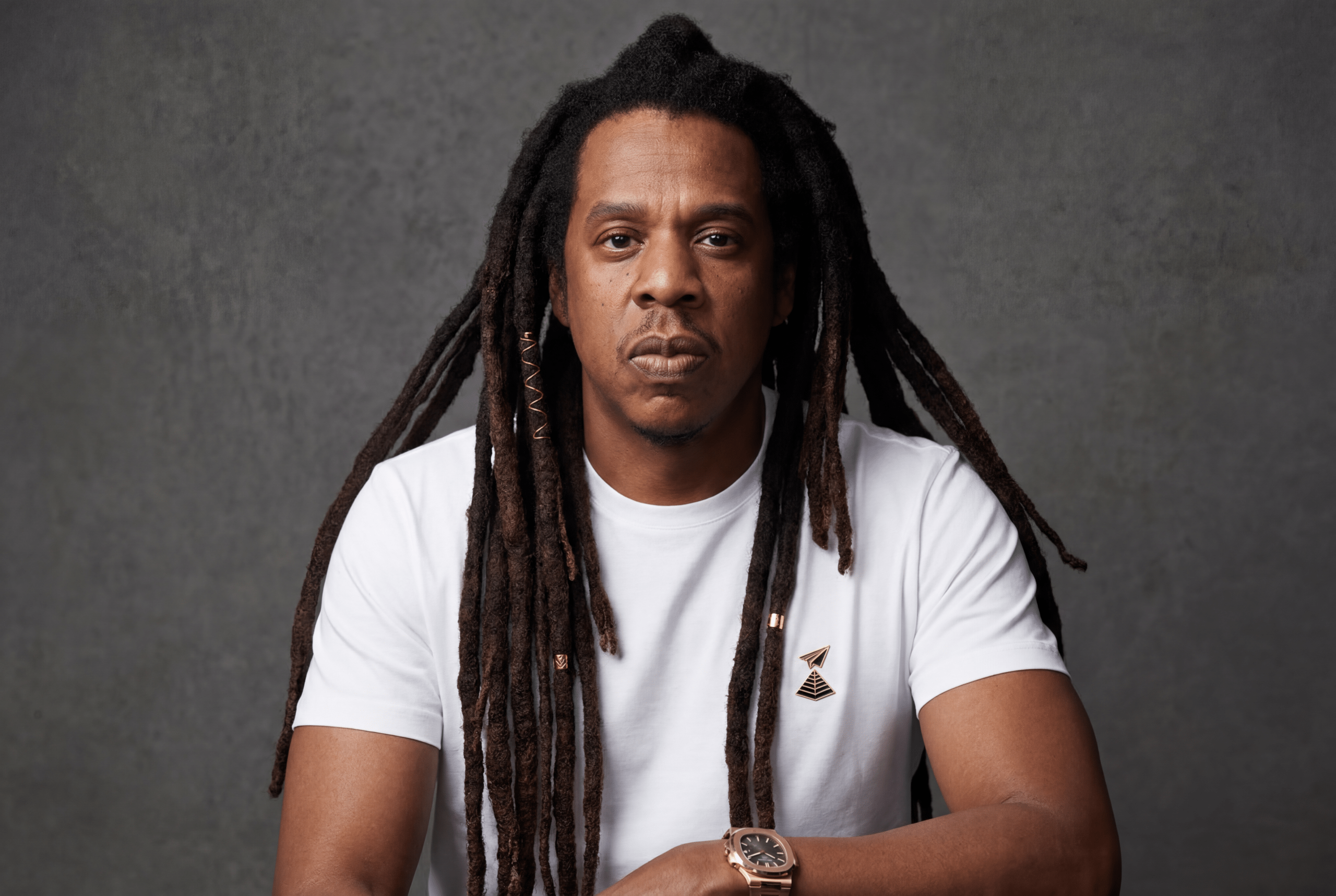
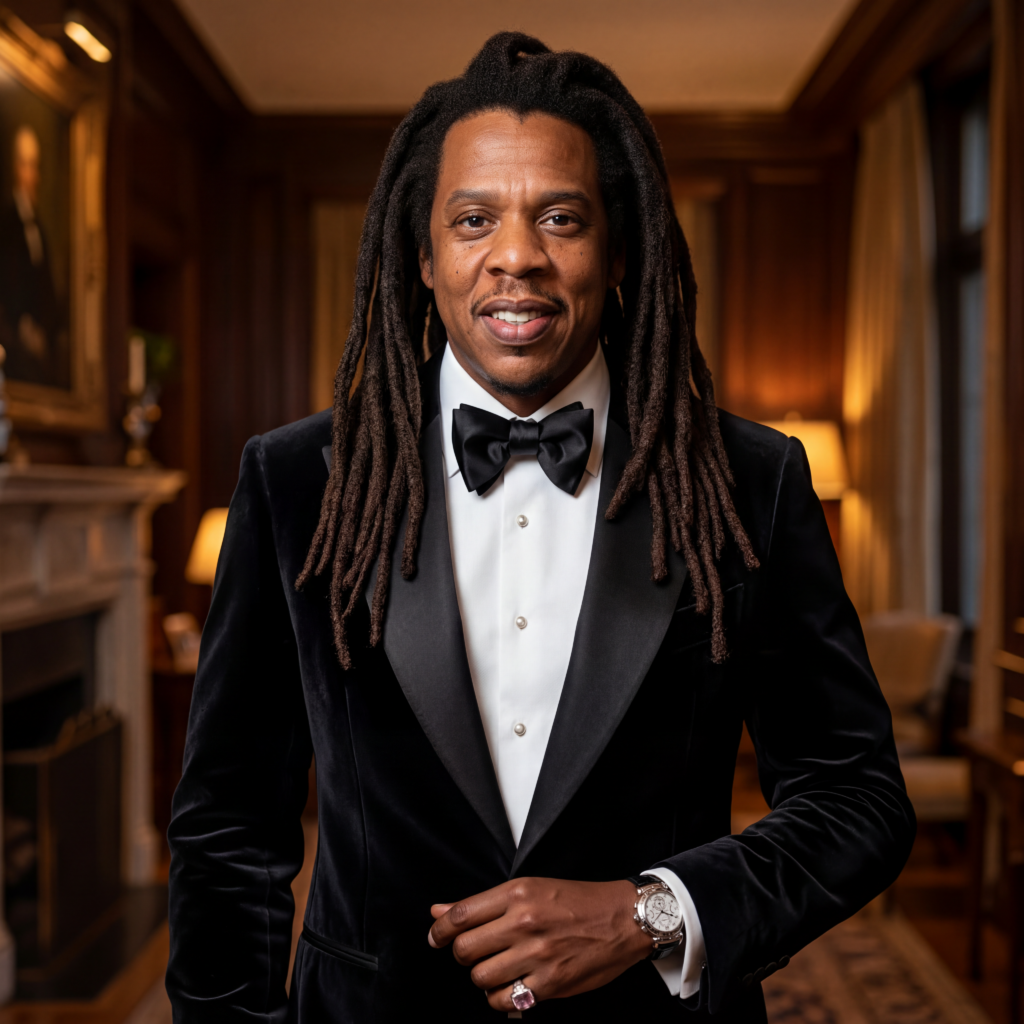
1. Jay-Z: ~$2.5–$2.8 Billion
The Architect of Cultural Equity: Jay-Z did not build wealth by chasing trends. He built wealth by positioning himself where value accumulates over time.
His empire spans multiple industries, but each move follows a consistent pattern: equity over endorsement, ownership over participation, long-term positioning over short-term gain.
Core Wealth Structure:
- Premium liquor brands with ownership stakes
- Roc Nation (music, sports, media infrastructure)
- Early-stage investments in technology companies
- Art collections and high-value real estate
- Ownership of publishing and master recordings
What separates Jay-Z is not just diversification, it’s intentional diversification. Every asset feeds into a broader wealth ecosystem of influence and control.
Leadership Insight:
Jay-Z operates with restraint. He does not overextend. He moves selectively, ensuring that each decision compounds over time. His model is less about hustle and more about strategic placement.
2. Diddy: ~$1B–$2B
The Master of Perception and Brand Energy: Diddy’s wealth was not built through product creation alone: it was built through perception control. He understands how to turn ordinary products into cultural symbols.
Core Wealth Structure:
- Cîroc and DeLeón (brand amplification and revenue participation)
- Bad Boy Records
- Revolt TV media network
- Fashion and licensing ventures
Diddy’s real skill lies in positioning. He places himself at the center of lifestyle trends and monetizes the emotional connection people have with culture.
Leadership Insight:
His leadership is high-energy and visibility-driven. He understands that in certain industries, attention is not a byproduct: it’s the asset.
3. Dr. Dre: ~$1B+
The Strategist of Precision and Exit: Dr. Dre represents a different type of mogul: one who builds quietly, executes precisely, and exits strategically.
The sale of Beats by Dre was not luck. It was the culmination of product positioning, brand alignment, and timing.
Core Wealth Structure:
- Beats by Dre (multi-billion-dollar acquisition)
- Aftermath Entertainment
- Music production catalog
- Strategic licensing
Leadership Insight:
Dre’s model is built on focus. He does not chase multiple ventures. He builds a few assets with extreme precision and then leverages them at scale.
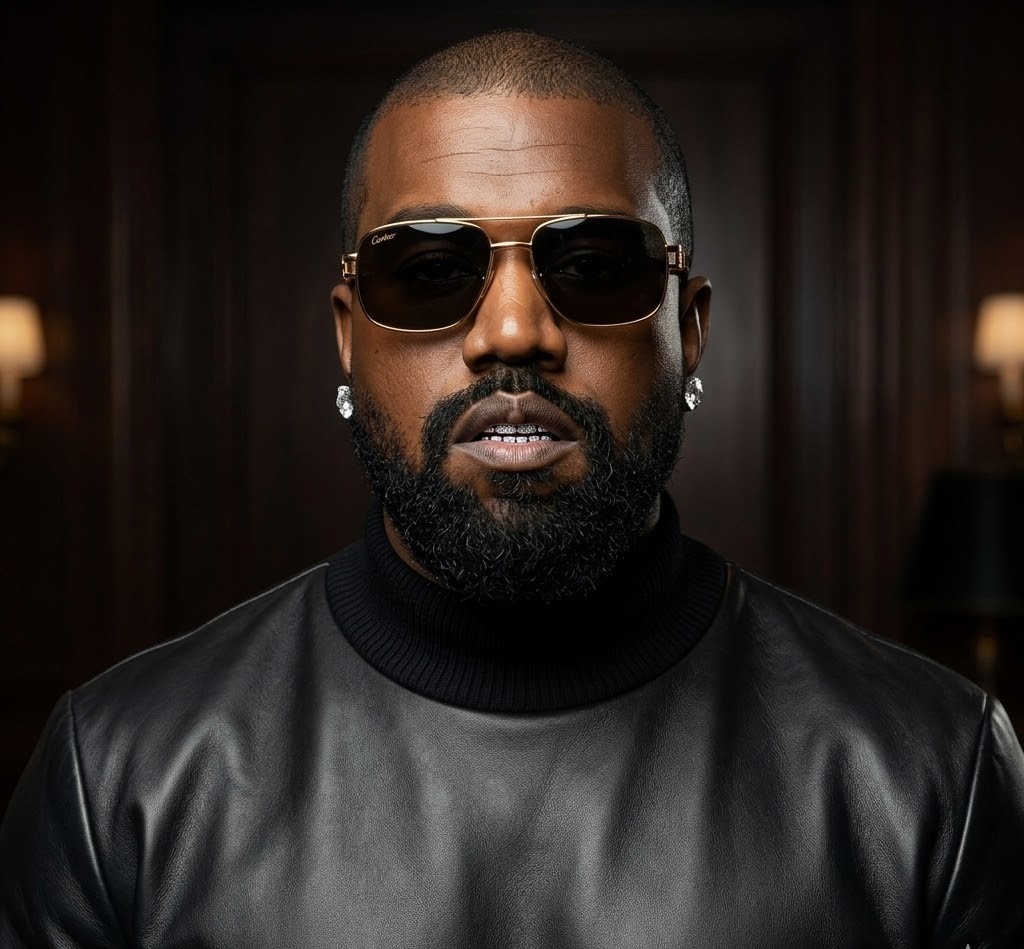
4. Ye (Formerly Known as Kanye West): ~$400M–$1B+
The Visionary Disruptor: Kanye West’s wealth trajectory reflects both the power and risk of visionary thinking. His Yeezy brand demonstrated how identity, design, and cultural alignment can drive global demand.
Core Wealth Structure:
- Yeezy product ecosystem
- Fashion collaborations
- Music catalog
His approach is not traditional. He does not diversify widely. Instead, he concentrates energy into high-impact ventures.
Leadership Insight:
Kanye operates on conviction. His strength lies in seeing opportunities before they become obvious. His challenge lies in maintaining stability within that vision.
5. Drake: ~$300M–$400M
The Monetizer of Global Attention: Drake has mastered the art of staying relevant in a fast-moving industry. His wealth is driven by consistency, adaptability, and scale.
Core Wealth Structure:
- Global touring revenue
- OVO brand ecosystem
- Corporate partnerships
- Digital platform monetization
Leadership Insight:
Drake studies the market closely. He adapts without losing identity. His model is based on sustained dominance, not one-time breakthroughs.
6. Pharrell Williams: ~$350M–$400M
The Creative Intellectual Property Builder: Pharrell’s wealth is rooted in intellectual property. His catalog spans decades of music production, creating long-term royalty streams.
Core Wealth Structure:
- Publishing and production royalties
- Fashion brands and luxury partnerships
- Creative direction roles
Leadership Insight:
Pharrell operates as a bridge between creativity and commerce. He understands how to turn ideas into assets that generate ongoing value.
7. Eminem: ~$350M–$400M
The Master of Focus and Catalog Dominance: Eminem’s approach is singular. He focused intensely on one domain—music and maximized it to its highest level.
Core Wealth Structure:
- High-volume catalog royalties
- Shady Records
- Licensing and streaming
Leadership Insight:
His model demonstrates that depth can outperform breadth when combined with ownership and consistency.
8. Berner: ~$300M–$400M
The Vertical Industry Builder: Berner represents the modern shift into industry ownership. His cannabis brand operates as a scalable licensing system.
Core Wealth Structure:
- Cookies Brand: Berner is the CEO and co-founder of Cookies, one of the most recognized cannabis companies in the world.
- Licensing, music and brand partnerships
Leadership Insight:
He builds systems that expand without requiring constant direct involvement. His focus is on scalability and infrastructure.
9. Master P: ~$200M+
The Blueprint of Independent Ownership: Before ownership became a mainstream conversation, Master P was already executing it.
Core Wealth Structure:
- Independent record distribution
- Real estate
- Consumer products
Leadership Insight:
Discipline and control define his approach. He built systems that allowed him to retain ownership in an industry designed to take it.
10. Nas: ~$200M+
The Strategic Investor: Nas transitioned from artist to investor with precision. His venture investments positioned him in high-growth sectors early.
Core Wealth Structure:
- Venture capital investments
- Music catalog, Media and Record Labels
Leadership Insight:
Nas operates on foresight. He identifies patterns early and allocates capital accordingly.
11. Snoop Dogg: ~$150M–$200M
The Brand That Became a Platform: Snoop Dogg turned personality into infrastructure. His presence alone generates opportunities across industries.
Core Wealth Structure:
- Media, investments and licensing
- Cannabis ventures
- Music ownership and Records Label
Leadership Insight:
Consistency and adaptability define his longevity. He evolves without losing identity.
12. Rick Ross: ~$150M
The Cash Flow Operator: Rick Ross focused on steady income streams rather than high-risk ventures.
Core Wealth Structure:
- Franchise ownership
- Real estate
- Music, Music Catalogs, and Record Label
Leadership Insight:
His model emphasizes repetition, discipline, and predictable income.
The Underlying Wealth Framework
Across all twelve individuals, a consistent pattern emerges. Music serves as the initial platform for visibility and audience building. However, the transition to wealth occurs through ownership, equity, and system control.
Three primary archetypes define their strategies:
- Corporate partnership models focused on equity participation
- Product-driven models centered on brand ownership
- Investment-driven models leveraging capital allocation
Each approach reflects a shift from labor-based income to asset-based wealth.
Application for Primal Mogul Members
The lessons derived from these figures are directly applicable to modern entrepreneurs.
First, attention must be converted into ownership. Visibility alone does not create wealth. It must be tied to assets that generate recurring income.
Second, diversification across industries reduces risk and increases opportunity. Each mogul operates within multiple sectors, ensuring resilience.
Third, leadership requires both vision and execution. Strategic thinking must be paired with disciplined action.
Frequently Asked Questions
What is the real source of wealth for most modern moguls?
The real source is not performance alone. It is ownership of assets that continue generating income over time. Those assets may include brands, catalogs, equity stakes, licenses, businesses, real estate, or investment holdings.
Is music still a viable path to serious wealth?
Yes, but mostly as an entry point. Music still creates visibility, cultural authority, and direct income. However, the most durable wealth usually comes from what is built after that visibility is established.
How important are partnerships in mogul growth?
They are critical. Partnerships can provide distribution, scale, manufacturing capacity, financing, credibility, and market access. The key is ensuring the partnership structure includes meaningful upside rather than mere short-term payment.
What role do royalties play in long-term wealth?
Royalties can be extremely important, especially when tied to a large catalog. They create recurring income and can become even more valuable when packaged, sold, licensed, or used as collateral for broader financial strategies.
Are there likely undisclosed investments behind some of these fortunes?
Almost certainly. Public reporting often captures only the visible portion of a mogul’s holdings. Private placements, silent stakes, special-purpose entities, trusts, real estate structures, and off-market deals may exist outside what is publicly discussed.
What is the biggest mistake aspiring entrepreneurs make?
They stop at income. They get paid for effort but fail to convert that money into assets, ownership, or systems. As a result, they remain dependent on ongoing output.
Do you need fame to build a mogul-level business?
No. Fame helps accelerate reach, but control of a valuable system matters more than public visibility. Many strong businesses operate with modest public recognition and substantial private profit.
What can digital entrepreneurs learn from these entertainment moguls?
They can learn to think in layers: attention, monetization, ownership, and systemization. The tools may differ, but the progression is the same.
Power Conclusion: The Blueprint of Modern Power
The twelve figures examined in this article did not become wealthy merely because they were talented. They became wealthy because they understood structure.
They understood that culture can open the door, but ownership determines who controls what lies beyond it.
The data patterns are clear. The wealthiest among them consistently moved into one or more of the following areas: premium consumer products, intellectual property ownership, investment participation, real estate, scalable operating businesses, and platforms that generate recurring value.
For Primal Mogul members, that insight is practical, not abstract. The path to modern power is not limited to music, film, or celebrity culture.
It exists anywhere an operator can build attention, convert that attention into paid value, attach that value to ownership, and then scale it through systems.
The same opportunity exists now in digital business, media, education, membership ecosystems, intellectual property platforms, and ownership-based entrepreneurship.
Join the Primal Mogul Movement
Inside Primal Mogul, members gain access to three high-value advantages directly aligned with the lessons in this article:
- Ownership-centered business frameworks that help convert knowledge, content, and strategy into durable assets.
- Scalable execution AI systems designed to transform ideas into repeatable revenue structures.
- Strategic intelligence for modern moguls focused on leverage, positioning, and long-term wealth creation.
The difference between participation and power is structure. The difference between temporary income and enduring wealth is ownership.




Leave a Reply