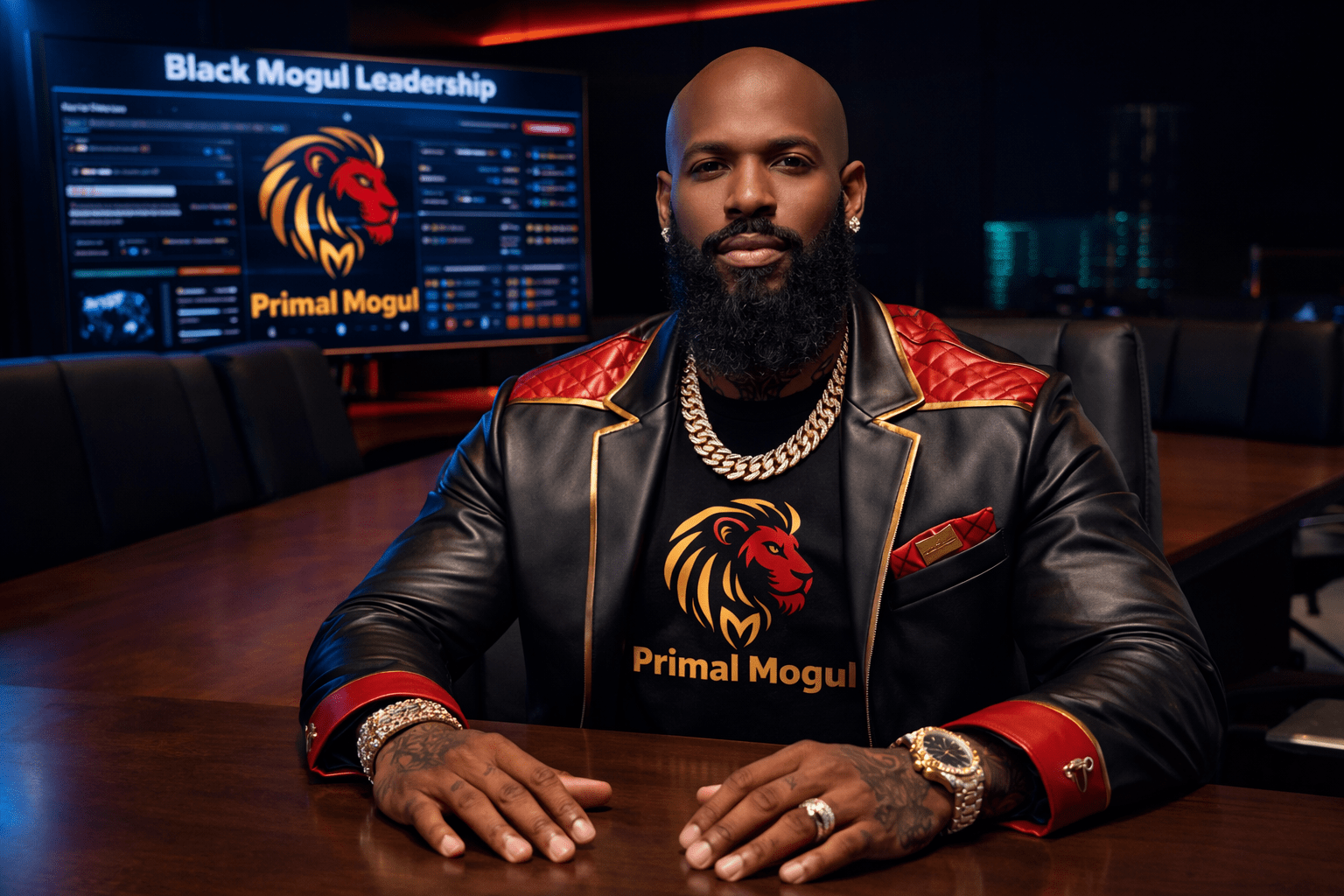


Primal mogul’s Private Label Secrets for 8-Figure Hip-Hop Brands
The Inner Circle of Fashion Power
The power of private labels: Most see hoodies and logos. Insiders see a war room where every detail, from licensing to supply chain, is orchestrated for maximum profit and cultural dominance.
The real wins are not on stages: they happen quietly, behind the scenes, where shelf space, manufacturing relationships, and brand demand are guarded like family codes.
Building a true merchandise powerhouse is about systems, discipline, and protecting every move from copycats and short-term thinkers. If you want to run an untouchable operation, every part of your machine must run without leaks.
Building the Must-Have Brand
Owning a loyal customer base requires more than an idea. The elite play is to master timing, quantity, and story. Every drop becomes an event that makes customers wait, compete, and talk.
Scarcity is not just about small numbers. It is about engineering desire, using countdowns, collaborations with respected voices, and personal connections that matter. Your product is a signal, a story, a badge of belonging.
- Structure releases as exclusive micro-batches with surprise restocks to keep anticipation burning
- Seed your products with influential supporters and make sure key tastemakers are seen wearing them before launch
- Document every release as a cultural moment, capturing behind-the-scenes footage and user reactions
- Build brand rituals around each launch so it becomes a tradition, not just another drop
Key Insight:
A real merchandise architect is not just chasing numbers. Status, story, and exclusivity build lasting energy around the brand. Scarcity and creative narrative generate lines outside stores, high resale prices, and organic viral reach that paid ads cannot buy. This approach attracts not only customers but also partners who want in on your momentum.
Supply Chain Mastery
From fabric source to delivery, every link in your supply chain must be shielded and agile. Never depend on a single factory, printer, or supplier.
Develop backup relationships across regions and even continents to keep production running through disruptions, shortages, or global delays. Every contract is an opportunity to strengthen your position, lower costs, and guarantee consistency.
- Cultivate relationships with several manufacturers for each core product
- Negotiate for bulk pricing, favorable payment terms, and exclusive runs
- Institute rigorous quality control protocols with spot checks, third-party audits, and pilot samples
- Use encrypted communication channels for sharing sensitive designs, and keep the final embellishments or packaging steps in-house
- Diversify logistics and warehouse providers to remain nimble during peak demand or emergencies
Key Insight:
True supply chain power is invisible until it is tested. When your rivals face delays, your machine keeps moving. When a vendor drops out, you switch lanes without losing speed. Build the system so no single point of failure can disrupt your momentum.
Licensing and Private Label Codes
Turning a brand into a source of steady income means understanding licensing as both defense and offense.
Create sub-labels, themed collaborations, and exclusive lines that outsiders pay for the right to produce. Trademarks, copyrights, and design patents must be secured early and updated globally.
Every licensing agreement should guarantee minimum payouts, high-quality standards, and routine audits of partner performance.
- Register all logos, taglines, and signature designs in the major markets
- License sub-brands only after clear vetting and upfront fees; always retain creative approval
- Audit partners routinely, and pull licenses when standards slip
- Use collaborations to test new audiences and regions while keeping control of your main identity
- Develop legal templates and checklists for every partnership
Key Insight:
Once your logo becomes a mark of trust, other brands line up to pay for association. A disciplined private label approach multiplies revenue streams and builds your brand into an ecosystem, not just a label.
Print-On-Demand and Cash Flow Control
The smartest brands move without heavy inventory. Print-on-demand technology enables real-time product testing, trend reaction, and serving niche markets without tying up cash.
Design a flow where new ideas are prototyped and launched as limited runs, letting customer demand dictate what scales up. Data and feedback guide every expansion.
- Run test drops and flash sales with small batches to measure market appetite
- Outsource production to POD partners but always manage customer data, email marketing, and feedback in-house
- Track gross margin by SKU, use performance to determine restocks or retirement
- Rotate designs, artists, and colorways to keep the storefront feeling alive
- Use POD to build loyalty programs, reward top fans, and create “members-only” exclusives
Key Insights:
Efficient cash flow is a defensive weapon. Every collection is measured by results. Winners scale, losers vanish quickly. Print-on-demand also lowers risk and frees up resources for bigger moves in marketing and design.
Margin and Brand Value Protection
High margins are what keep brands strong when the competition burns out. This is managed by strict cost controls, value-based pricing, and premium brand presentation.
- Special features such as hand-numbered items, artist collaborations, or collectible packaging add meaning and drive up perceived value.
- Develop tiered pricing strategies: mainline products, limited editions, high-ticket bundles
- Incorporate compelling stories into product pages, marketing, and packaging
- Audit production costs every month; use dashboards to track supplier prices, shipping, and storage
- Build customer education content around what makes your quality, sourcing, or process unique
- Develop loyalty programs and member-only drops to keep your core base engaged and paying premium prices
Key Insight:
Strong margins enable reinvestment, stability, and the power to say no to bad deals. Never sacrifice quality or control for fast growth. Protect brand value at every step and your business remains viable regardless of market noise.
Member Execution Checklist
- Map your supply chain in detail, including alternate factories and printers in different countries.
- Design a scarcity-driven drop calendar with clear themes and launch rituals that build anticipation.
- Secure trademarks and copyrights across key regions, and create legal playbooks for licensing partners.
- Test at least two print-on-demand suppliers and track lead times, quality, and fulfillment accuracy.
- Build a customer bundle or VIP pack, measure response, and refine your upsell strategy.
- Write a private brand playbook that sets standards for communication, production, and culture; update quarterly.
- Set up dashboards to monitor costs, gross margins, and customer feedback in real time.
- Launch a member referral or affiliate program to build organic reach from your base.
- Schedule quarterly supply chain audits and product quality reviews.
Frequently Asked Questions (Members Only)
How do I choose manufacturers that will not copy my designs?
Investigate vendor history and reputation before signing contracts. Use non-disclosure agreements, start with small runs, and retain critical steps such as embroidery or finishing in-house. Keep your artwork on secure servers and limit access only to essential partners. A trusted relationship is built over time, not on price alone.
What’s the fastest way to protect my brand name and logos?
Register trademarks and copyrights in all target markets before making any public announcement. Work with experienced legal professionals, and never share or promote unprotected designs. Set up Google Alerts for your brand to spot copycats early.
How can I keep margins strong when competitors use cheap print-on-demand?
Build a reputation for quality by using better materials, investing in packaging, and telling the story behind your design. Use limited runs and artist collaborations to justify higher price points. Make your product a symbol, not just a shirt.
Should I license my brand to others?
License only with upfront payment, strict creative approval, and regular audits. Never agree to open-ended deals or those without a clear exit clause. Control your image and always get minimum sales guarantees.
How do I keep product launches fresh and in demand?
Work with new creative voices each season, experiment with formats, and study audience feedback. Drop teasers, hold contests, or offer early access to loyal buyers. Tie launches to moments in culture, sports, or music for relevance.
How do I audit my supply chain for risk?
Catalog every supplier, monitor delivery times and defect rates, and rotate test orders between vendors. Maintain backup contacts and periodically check their capacity. Plan for the unexpected: pandemics, strikes, or shipping disruptions.
Is it better to sell directly to customers or through stores?
Direct sales keep profits, data, and relationships in your hands. Select retailers for prestige, geographic expansion, or special collaborations, but always keep customer communication and branding centralized.
How do I create a brand story that sells?
Root every product in authentic culture. Share the journey, inspirations, and craftsmanship. Let customers see the people behind the product. Create a movement, not just a storefront.
What’s the smartest way to scale a merch operation?
Refine your mainline, document systems, and build sub-brands only after proof of market fit. Expand with exclusive licensing, new partnerships, and regional launches. Keep core values and standards as the backbone of every new move.
How do I use data to improve sales and launches?
Analyze sales trends, website analytics, and social media engagement. Let data guide restock decisions, marketing spend, and product retirements. Share learnings with your team and adapt every quarter. Brands that watch numbers move faster and smarter.
What’s the advantage of building a merch ecosystem rather than a single product line?
An ecosystem lets you serve multiple markets, test new ideas with less risk, and build loyalty across categories. If one area slows, others can rise. This reduces vulnerability and grows brand reach and influence.
This content is for Primal Mogul members only. Build true value. Sharpen every process. The shelf space goes to those who set the standard and never hand over the playbook.