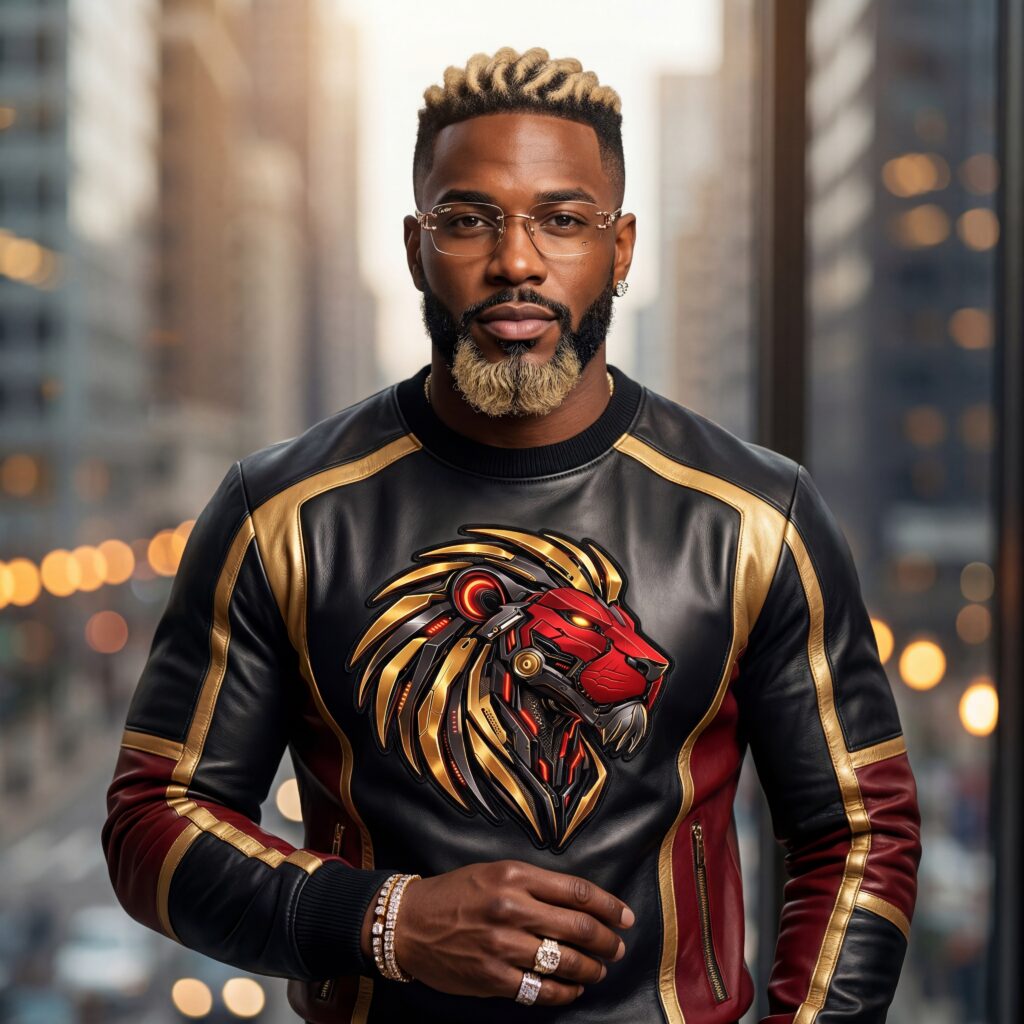
The 10 Most Powerful Black Business Moguls Under 40 in 2026
Built for the next generation of Black builders studying the architecture of real ownership rather than watching from the sidelines.
The Real Answer
Ten Black business moguls under 40 are reshaping ownership across music, film, beauty, technology, fashion, sports, and media as of 2026.
This list includes Rihanna, Michael B. Jordan, Travis Scott, Tyler the Creator, Druski, Megan Thee Stallion, Naomi Osaka, A$AP Rocky, Iddris Sandu, and Marsai Martin.
Three distinctions separate them from the previous generation:
- Their ownership structures sit at the center of every venture they touch
- They refused to license away long-term leverage for short-term capital
- Each one built companies designed to outlive their personal celebrity
Below: a breakdown of every empire on the list, the strategic move that earned each mogul their position, and the actionable business intelligence ambitious operators can apply.
The Real Story Behind This Generation
Something structurally different is happening with Black business power right now.
For most of the modern entertainment era, Black talent built the culture while other parties built the equity. Athletes signed restrictive contracts. Artists handed over their publishing rights.
Actors accepted flat fees. Designers received public credit but no ownership stakes. Throughout the entire system, Black creators generated the value and other people held the long-term wealth.
That model is breaking.
Moguls on this list grew up watching the previous generation lose ground in slow motion:
- Prince fought Warner Music for nearly a decade to reclaim his masters
- TLC declared bankruptcy at the commercial peak of their career
- Foundational NBA players signed deals paying them a fraction of what they generated
- Hip-hop pioneers lost their catalogs to predatory publishing arrangements
Watching that history shaped how the under-40 generation approached their own careers. Studying ownership came before chasing fame. Recognizing the difference between a deal and a partnership became the first lesson. Starting companies replaced signing contracts.
Each of them accomplished this while operating inside an industry that has not stopped trying to extract their value.
This list captures the ten Black moguls under 40 who set the new standard.
What Defines a Mogul
Before examining the list, the term mogul deserves an honest definition.
A mogul is not simply someone with fame or wealth. Mogul status requires control of the infrastructure that other people depend on.
Specifically:
- Company ownership rather than employment contracts
- Masters and publishing rights rather than royalty splits
- Platform ownership rather than platform participation
- Supply chain control rather than vendor relationships
- Brand intellectual property that produces revenue beyond the original work
By that standard, many celebrities are not moguls. They are talent. They earn well. When the spotlight moves, however, their income moves with it.
Each person on this list has built an ownership position that does not require continued performance to keep producing income. That distinction is the entire point of the analysis below.
Why This List Matters Right Now
The economics of the creator economy, artificial intelligence, content monetization, and ownership are shifting rapidly in 2026:
- Streaming royalties are being renegotiated across the major platforms
- Brand-building economics are being rewritten by AI tools and automation
- Independent artists are now outselling rosters of major label competitors
- Black founders are raising less venture capital than at almost any point in the last decade
- Established Black moguls are simultaneously reaching their largest valuations to date
That combination creates a narrow window for ambitious operators to study and apply what is working.
Pay close attention to what these moguls own, how they structured each deal, who their partners are, and what they refused to give up. Then apply those patterns to whatever venture you are building.
The 10 Most Powerful Black Business Moguls Under 40 in 2026
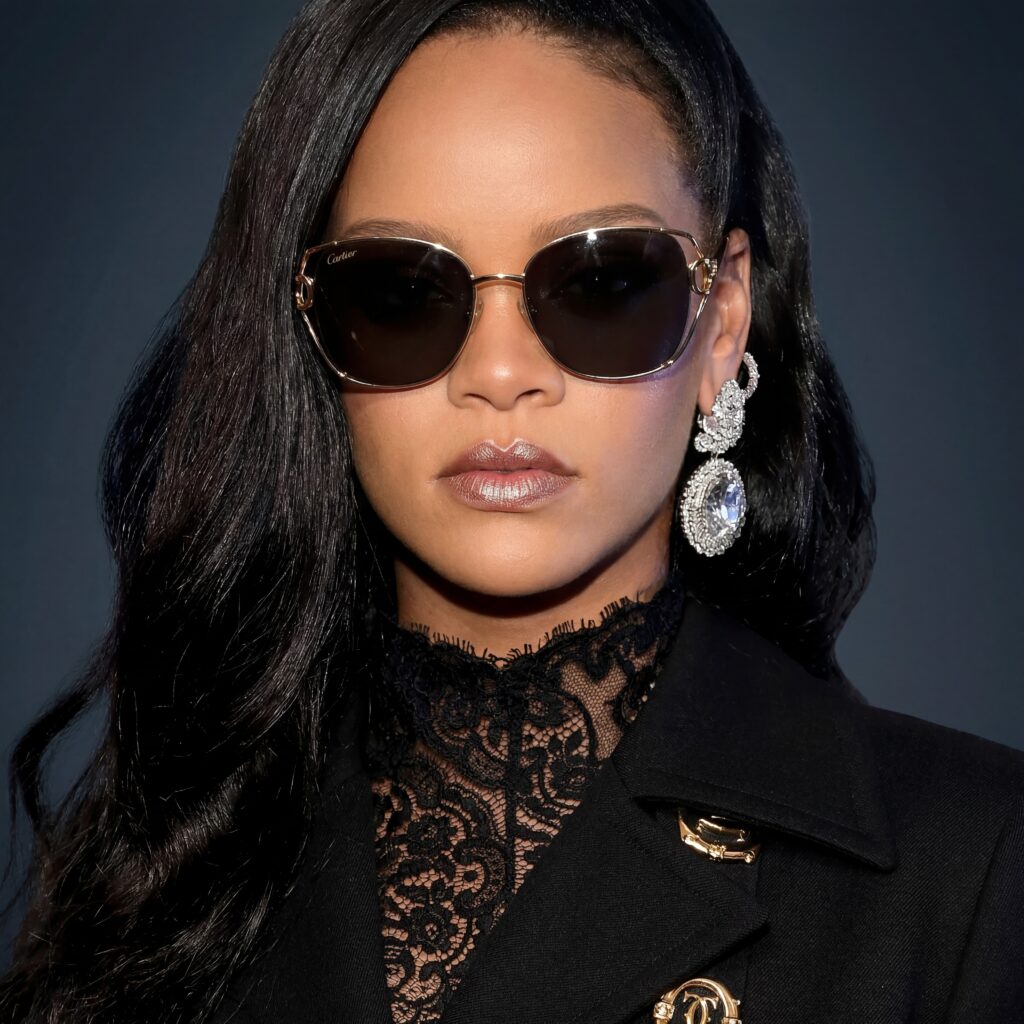
1. Rihanna: The Beauty Industry Architect
Rihanna built the most disruptive beauty company of the modern era and the most influential celebrity-founded fashion line of the last decade, with ownership equity in both at the partnership table.
Empire holdings include:
- Fenty Beauty — Launched in 2017 with a 40-shade foundation range that publicly exposed how the legacy beauty industry had ignored darker skin tones for decades
- SavageX Fenty — Lingerie company that disrupted Victoria’s Secret’s market dominance
- Fenty Skin — Skincare line extending the beauty empire vertical
- Equity partnership with LVMH — Structured to maintain creative and brand direction control
Within twelve months of launching, Fenty Beauty generated revenue figures that traditional beauty houses had failed to reach in decades of operation.
Forbes designated her a billionaire as a result of structured equity ownership rather than celebrity endorsement income.
Mogul intelligence:
Rihanna’s example demonstrates that cultural insight combined with equity ownership produces categorically different outcomes than fame alone. She did not build a beauty brand.
She built a beauty company with a permanent revenue floor. That distinction separates celebrity endorsement income from generational wealth architecture.
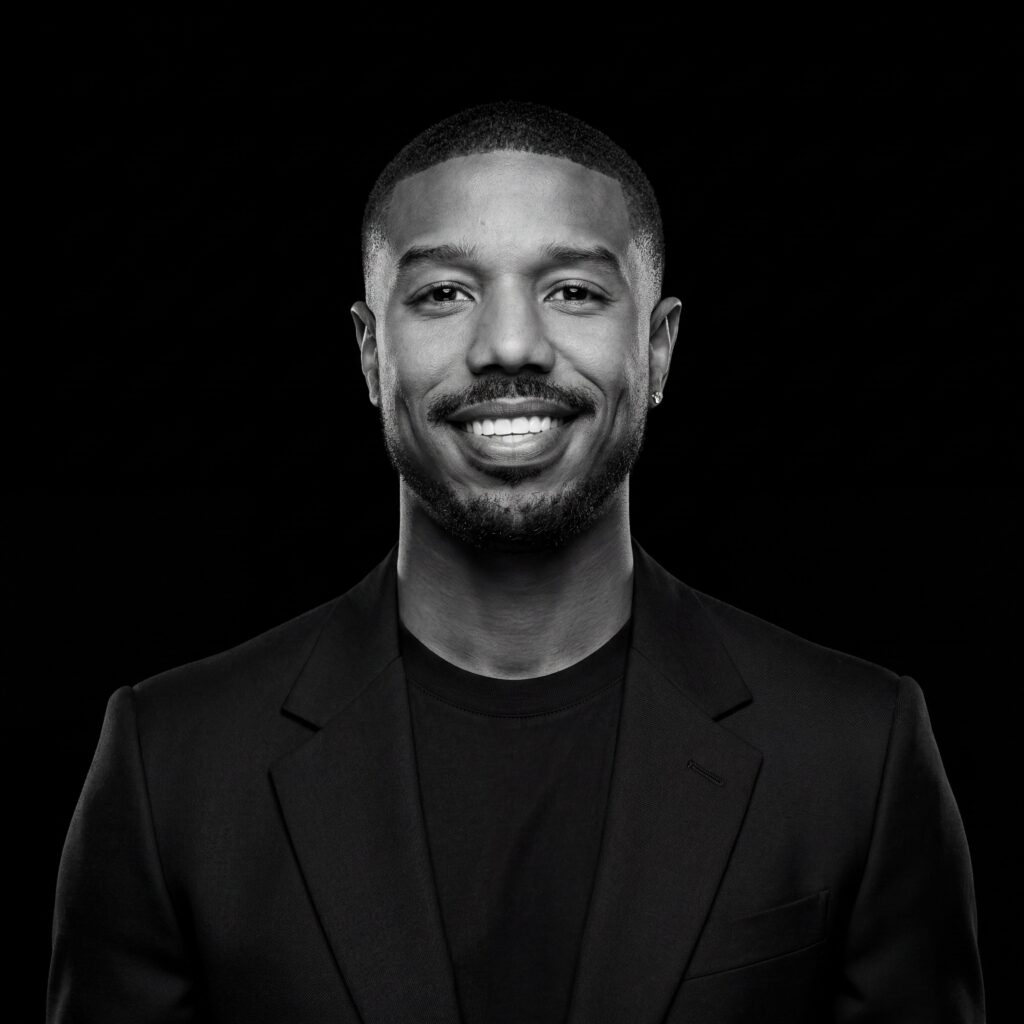
2. Michael B. Jordan — The Hollywood Owner
Michael B. Jordan stopped waiting for the right roles and built the company that produces them. Outlier Society, founded in 2016, transitioned him from one of Hollywood’s most bankable actors into a producer, director, and studio owner with meaningful equity in the projects he stars in.
Empire holdings include:
- Outlier Society Productions — Production company with multiple project credits
- The Creed franchise — Starring, directing, and producer credits across multiple installments
- The Mansa Musa film project — Co-production with Ryan Coogler signaling African historical IP development
- Brand partnerships — Multiple high-value advertising and ambassador deals
The Creed franchise functions as a case study in vertical integration. Michael starred in the films, directed the third installment, and helped shape both the creative and business direction of a boxing property that the original Rocky films built over forty years.
Mogul intelligence:
Jordan’s approach converts star power into ownership equity inside the production structure itself. Actors get paid per project. Owners get paid in perpetuity from the entire catalog. That distinction separates an actor from an empire.
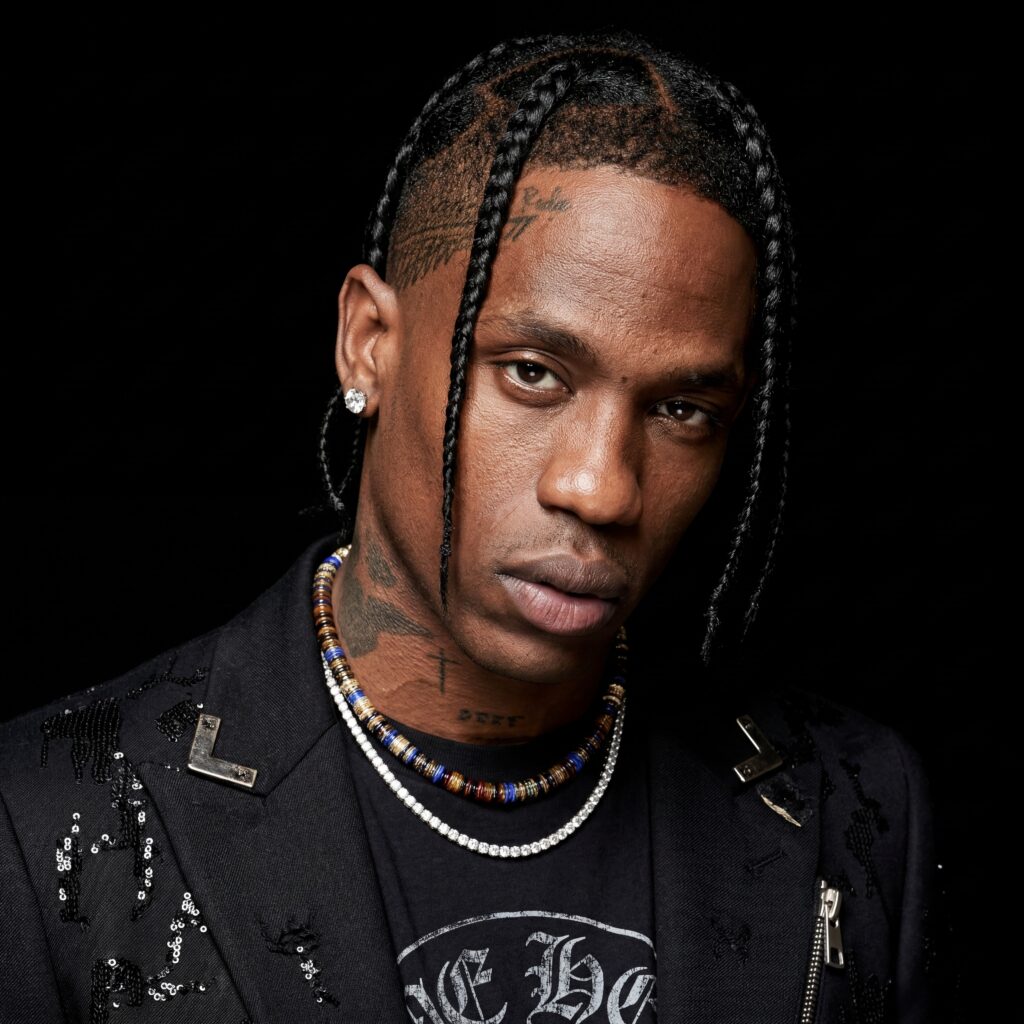
3. Travis Scott — The Cultural Brand Engineer
Travis Scott built one of the most monetized personal brands in modern hip-hop without ever relying on a traditional radio formula. His empire functions like a media holding company built around one cultural figure.
Empire holdings include:
- Cactus Jack Records — Independent label structure with signed artists
- Nike Jordan brand partnerships — Among the most commercially successful sneaker collaborations in streetwear history
- The 2020 McDonald’s collaboration — Repositioned corporate Americana within hip-hop merchandising at unprecedented scale
- Astroworld festival economics — Festival ownership and brand integration
- Multiple fashion and product partnerships — Spanning streetwear, lifestyle, and consumer goods categories
Whether measured by festival economics, brand collaborations, or his role as a fashion influencer, the operation runs across multiple verticals simultaneously.
Mogul intelligence:
The Scott model treats brand architecture as the primary asset. Music functions as the gravitational pull.
The actual business is the brand collaboration pipeline, the festival, the merchandise operation, and ownership of cultural moments that monetize across multiple verticals at once.
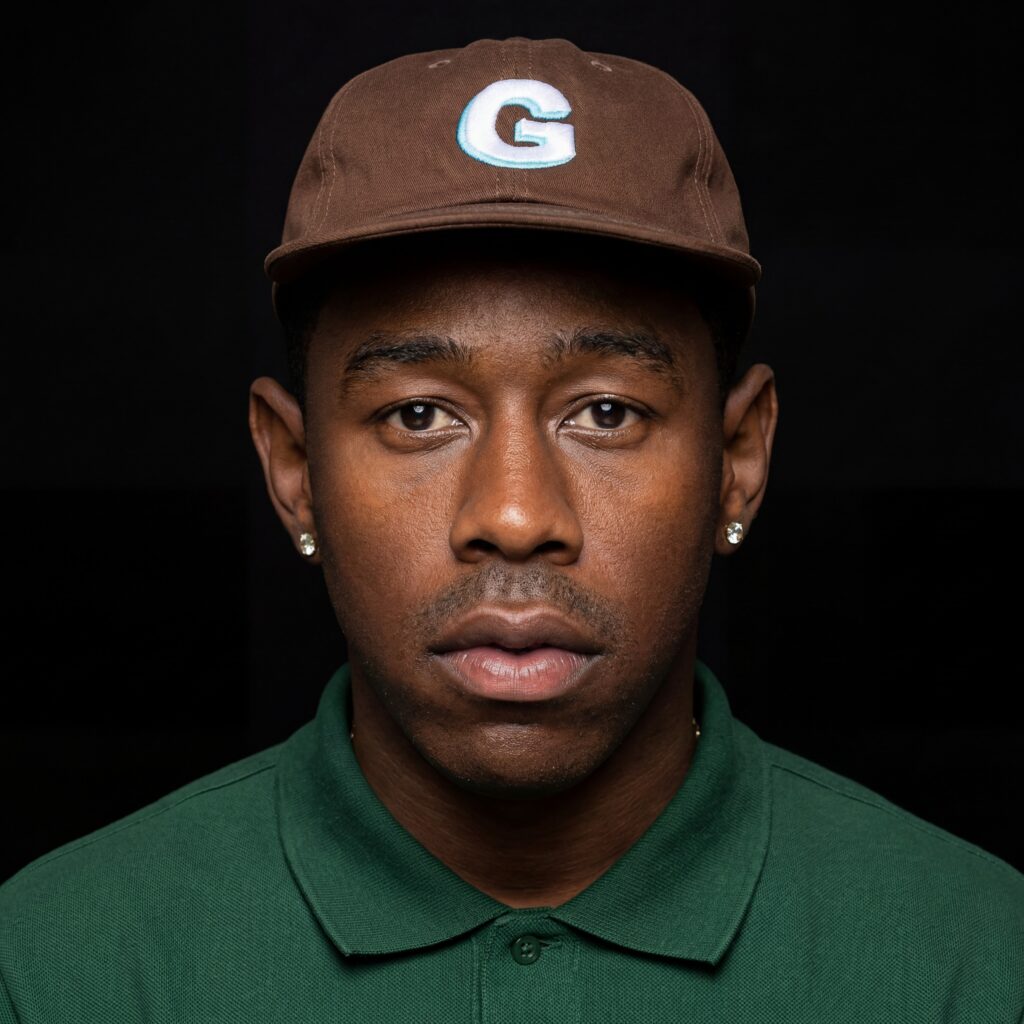
4. Tyler, The Creator — The Independent Universe Builder
Tyler built an entire creative universe without signing the kind of deal that would have confined him to someone else’s structure. Each component of his empire reinforces the others.
Empire holdings include:
- Golf Wang and Le Fleur — Independent fashion lines operating as serious streetwear and lifestyle businesses
- Camp Flog Gnaw — One of the most commercially successful artist-owned music festivals in the country
- Grammy-winning music catalog — Multiple albums with award recognition and ownership clarity
- Film and television projects — Expanding the creative universe into new media verticals
Visual identity unifies the entire operation. Colors, typography, and merchandise design create recognition consistent enough to function like a luxury brand built by a single person.
Mogul intelligence:
Tyler treats creative sovereignty as a business model. He did not optimize for mainstream radio. Instead, he optimized for owning everything he touched.
The result is a smaller surface area than most pop stars and significantly deeper revenue per square inch.
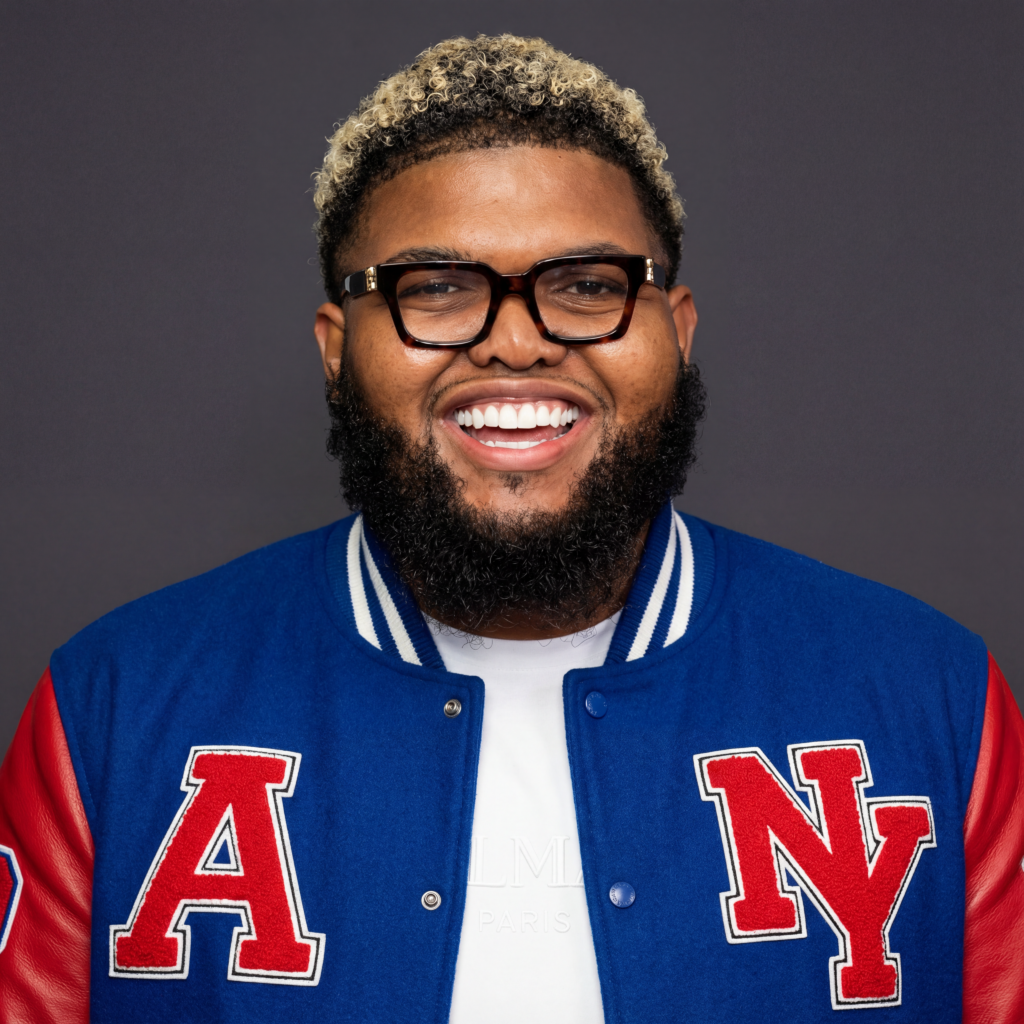
5. Druski — The Comedy Mogul Building a Media Company
Druski converted social media skits into a working media company while most of his peers were still trying to figure out the platform itself.
Empire holdings include:
- Coulda Been Records — Started as a comedic concept, evolved into a creative entity with merchandise, signed acts, and brand integrations
- 4 Da Network — Production company creating content that draws more attention on a single Instagram release than many network shows generate in a week
- Major brand partnerships — Including deals with telecommunications, technology, and consumer brands
- Touring and live event business — Comedy tours and event appearances
His business model rests on cultural specificity: sketches, characters, and recurring formats that connect with a Black audience first and cross over from that foundation.
What separates him from other comedians who broke through on social media is one strategic decision: he treated early viral wins as the foundation of a company rather than the conclusion of a moment.
Mogul intelligence:
Druski operates a platform-native ownership playbook. Rather than using social media to chase a traditional Hollywood deal, he used social media to build his own production company that requires no one else’s permission.
The audience is the asset. The intellectual property is the asset. Brand deals follow because of it, not before it.
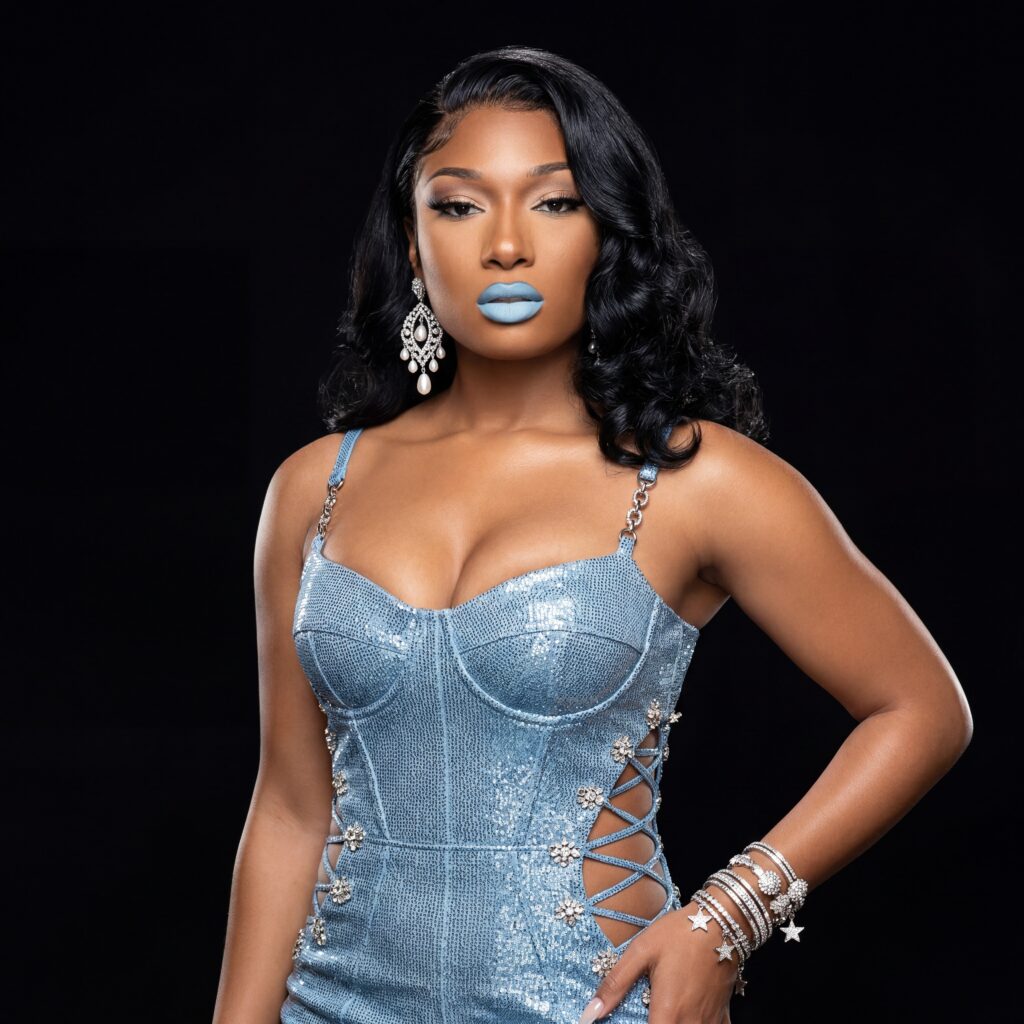
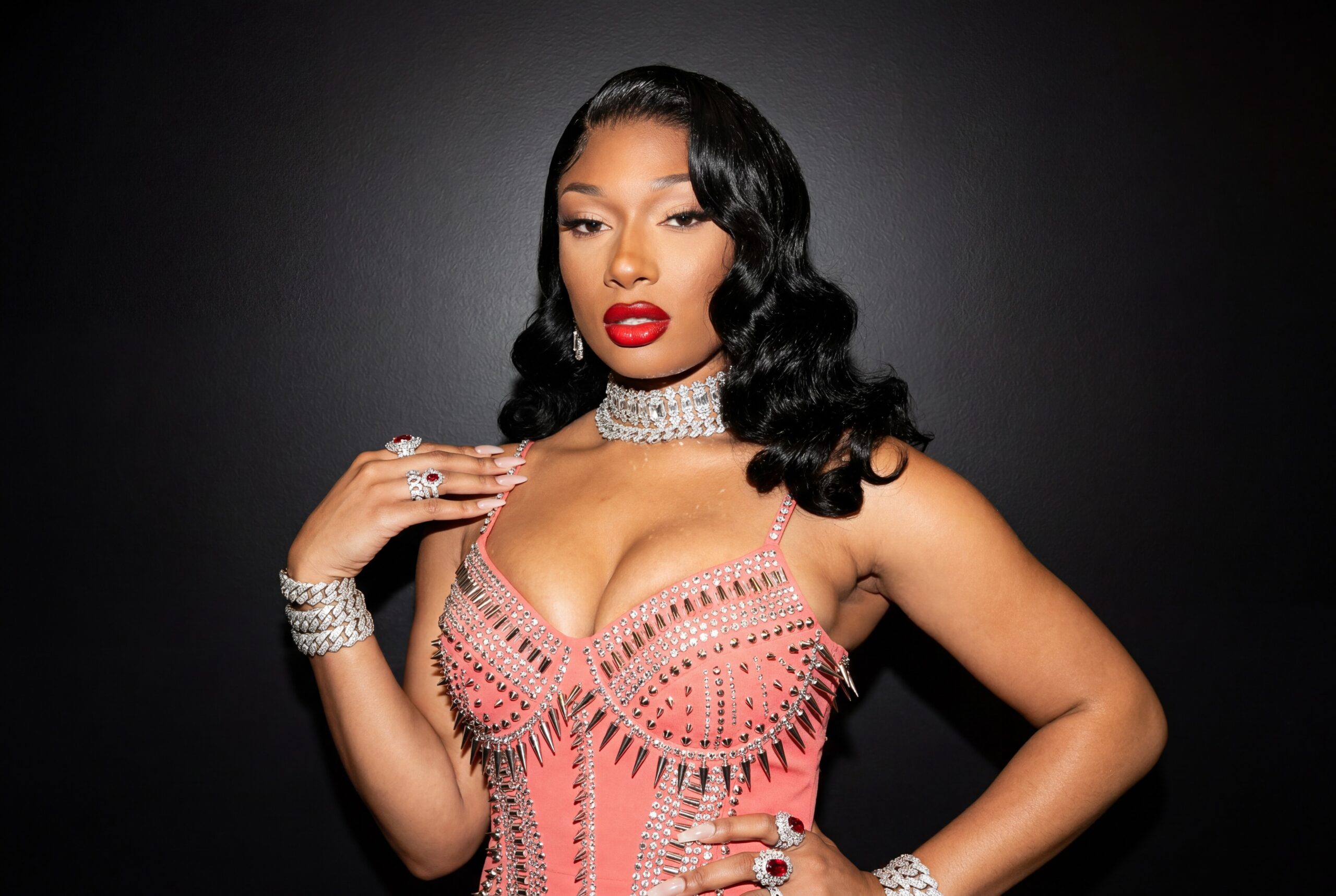
6. Megan Thee Stallion — The College-Educated Executive
Megan Thee Stallion built a music career, a college degree, and a production company simultaneously: an operational pattern that contradicts how most artists are expected to function.
Empire holdings include:
- Hot Girl Productions — Production company handling her music releases and creative direction
- Bachelor’s degree from Texas Southern University — Health administration, completed in 2021 during her commercial peak
- Major brand partnerships — Spanning beauty, beverage, fashion, and apparel categories
- Independent label and distribution arrangements — Following her successful contract renegotiation
Her public persona centers on disciplined work ethic, education, and independence — qualities that translate into business decisions prioritizing ownership and longevity over fast capital.
Mogul intelligence:
Megan demonstrates that intelligence functions as leverage. The fact that she stayed in school during her commercial peak is the entire framework.
Operators who understand their business at the legal, financial, and structural level negotiate from a categorically stronger position than those who only understand the talent side.
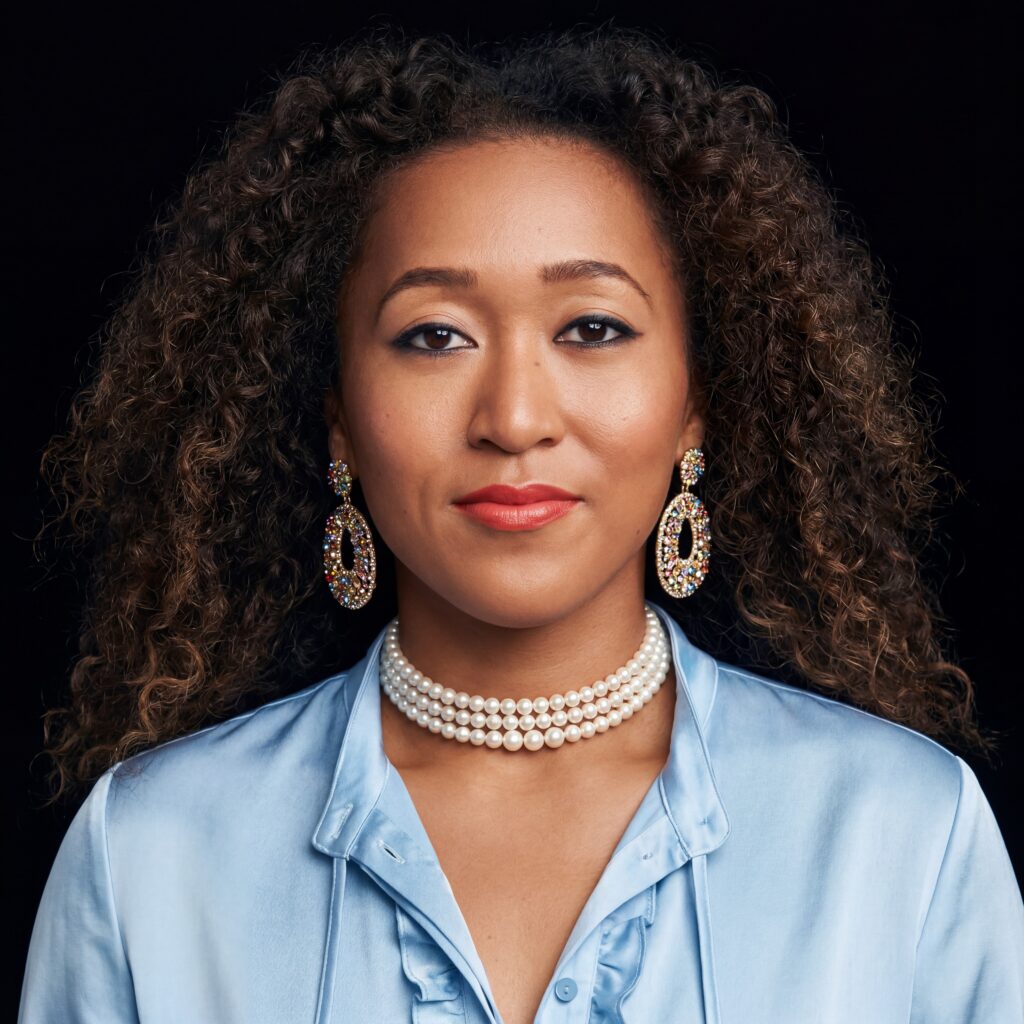
7. Naomi Osaka — The Athlete Who Built a Media Empire Before Retirement
Naomi Osaka transitioned from being the highest-paid female athlete in the world into being a media company owner while still actively competing.
Empire holdings include:
- Hana Kuma — Production company built in partnership with LeBron James’s SpringHill
- Kinlò — Skincare brand designed for melanin-rich skin in sun-exposed athletic conditions
- North Carolina Courage ownership stake — Equity position in the National Women’s Soccer League franchise
- Major brand partnerships — Including ongoing deals with luxury fashion and consumer brands
She used her tennis career as the platform while building business assets as the longer-term strategy.
Mogul intelligence:
The Osaka approach is to start the post-career business while the career is still active. Athletes who wait until retirement to think about ownership lose their leverage at the exact moment their economic power is fading.
Building the business while the platform is still operating is the only strategically sound move.
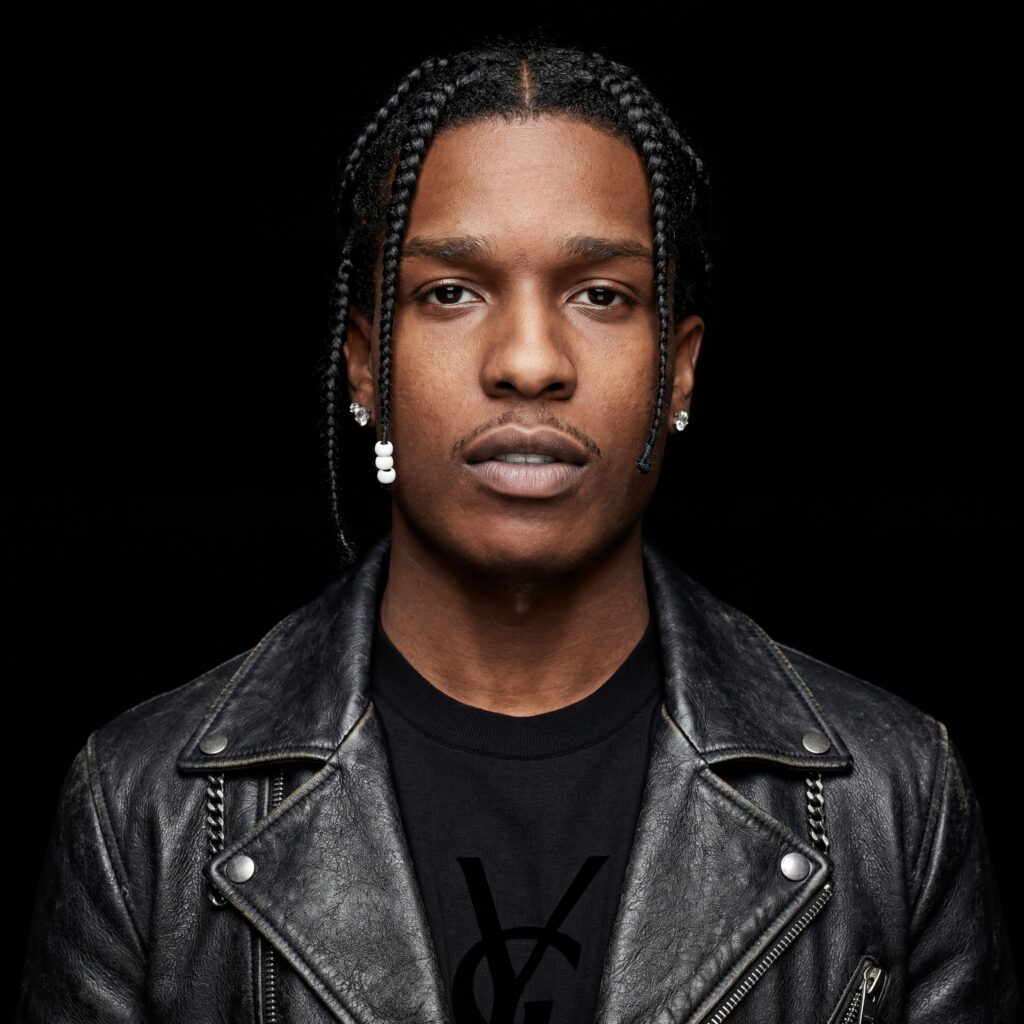
8. A$AP Rocky — The Fashion Power Behind the Music
A$AP Rocky has spent the last decade quietly becoming one of the most influential figures in fashion while his music career kept public attention focused elsewhere.
Empire holdings include:
- AWGE — Creative agency operating across fashion, music, film, and design
- Multiple creative director appointments — High fashion and streetwear brand leadership roles
- Mercer and additional product lines — Extending the brand into ownership positions rather than endorsement-only arrangements
- Brand partnerships across luxury and lifestyle — Including deals with major fashion houses and consumer brands
His fashion industry credentials have produced a level of access that few musicians have managed to develop.
Mogul intelligence:
Rocky’s model uses music as the entry credential to industries that pay better and produce longer-lasting equity. Fashion houses, luxury brands, and creative agencies all need cultural credibility.
Artists who recognize this convert visibility into ownership stakes in industries that would never have opened the door for them otherwise.
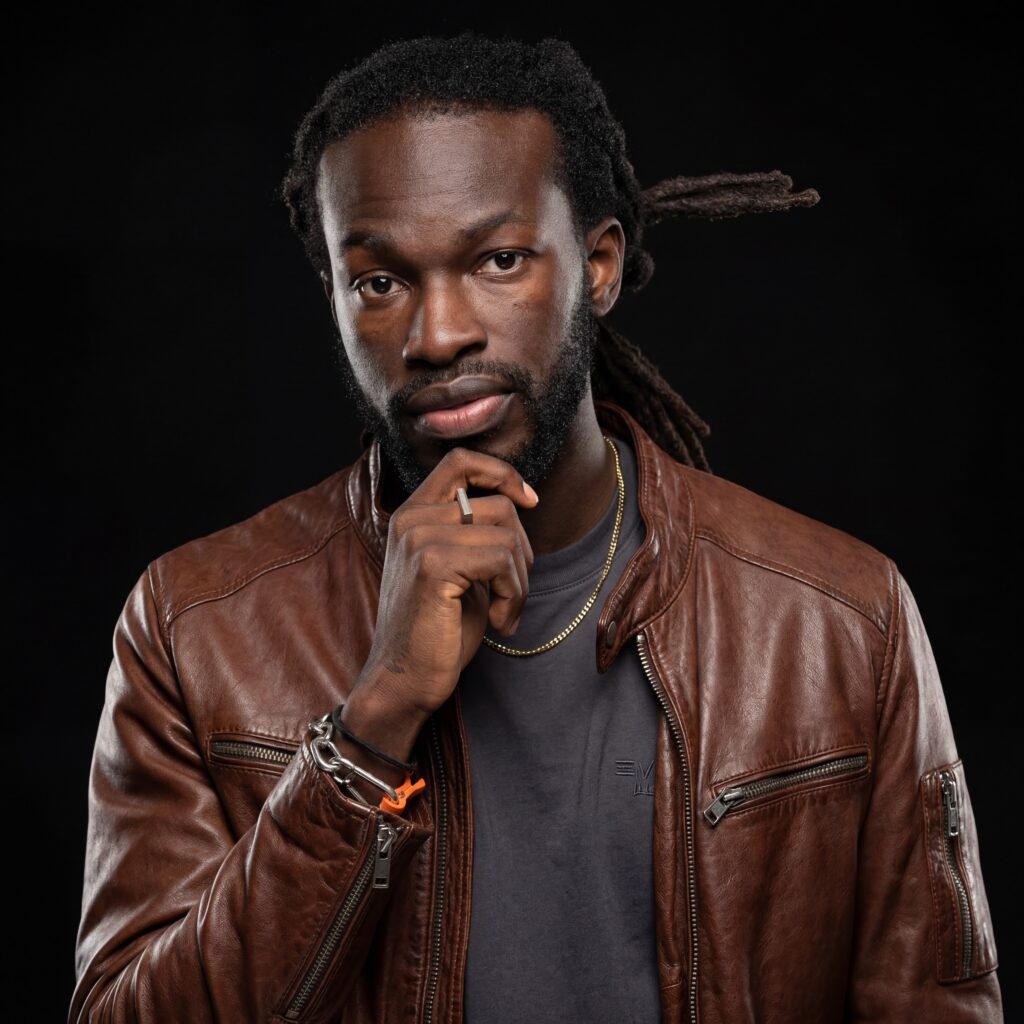
9. Iddris Sandu — The Technologist Most People Have Never Heard Of
Iddris Sandu is the technologist that many of the people on this list quietly consulted on the digital architecture of their empires.
Empire activities include:
- Marathon Store technology integration — Worked with Nipsey Hussle on retail experience combining brick-and-mortar with smart technology
- Major tech platform consulting — Advisory work with companies in social media, hardware, and consumer technology
- Cultural institution partnerships — Building digital products, immersive retail experiences, and architectural concepts
- Spatial computing and AR development — Positioned at the intersection of design, technology, and Black cultural infrastructure
His work appears in experiences most people interact with without knowing who designed the underlying systems.
In a generation where artificial intelligence, augmented reality, and digital ownership are reshaping the definition of business itself, his positioning is structurally aligned to expand significantly through 2030.
Mogul intelligence:
Sandu represents the strategy of being the infrastructure behind the visible empires. Not every operator needs to be the public face.
Some of the most lucrative positions in any economy belong to the people who build the systems other moguls rely on. Quiet capital tends to be the longest-lasting capital.
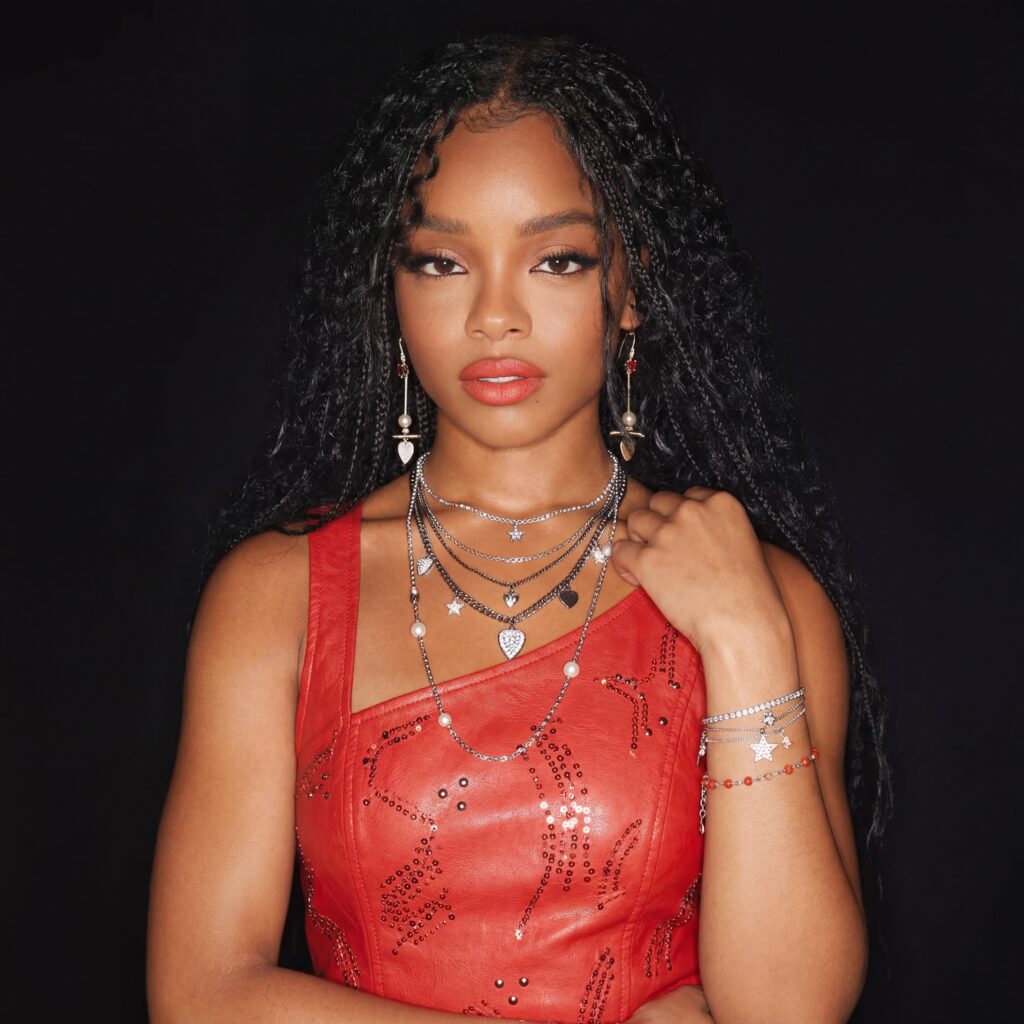
10. Marsai Martin — The Youngest Executive Producer in Hollywood History
Marsai Martin became the youngest executive producer in Hollywood history at age 14 when she greenlit and starred in Little through her production company Genius Productions.
Empire holdings include:
- Genius Productions — Production company with multiple film and television projects in development
- Executive producer credits — Beginning with Little (2019), continuing across subsequent projects
- Advocacy platform — Public work supporting ownership-first deals for young creators
- Brand partnerships — Major endorsement and ambassador arrangements with national brands
That early move reframed what was possible for young Black creators in the entertainment industry.
She did not simply sign on as the lead. She pitched the concept, secured the production arrangement, and held an executive producer credit with associated equity participation.
At 22 in 2026, the runway in front of her is longer than nearly anyone else on this list.
Mogul intelligence:
Marsai’s career demonstrates that age does not qualify or disqualify a person from ownership. Vision does.
Standard industry conversation is structured to convince young people they should wait their turn.
Operators who refuse to wait and bring genuine ideas to the table can negotiate ownership terms previously considered impossible in their age bracket.
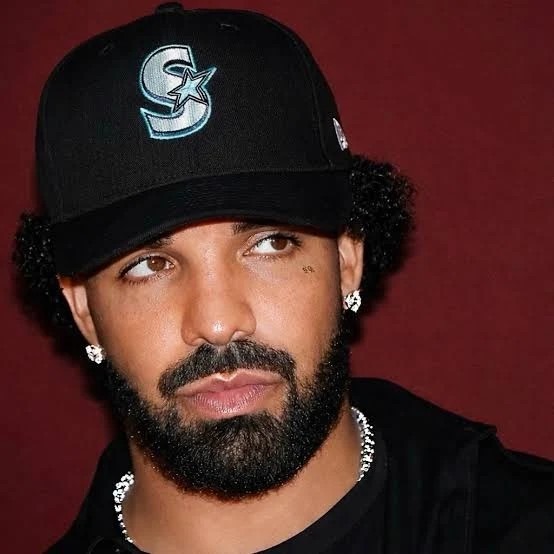
Honorable Mention: Drake — The Empire Watching the Door
No conversation about Black mogul power under 40 is complete without acknowledging Drake, who at 39 in 2026 sits in a category of his own.
The OVO empire spans music, fashion, sports partnerships, spirits, and an independent label infrastructure that operates at a scale most artists never approach in an entire career.
Empire holdings include:
- OVO Sound — Independent record label with signed artists and global distribution
- October’s Very Own (OVO) apparel — Fashion and lifestyle brand with permanent retail locations across multiple cities
- Virginia Black Whiskey — Co-founded spirits brand
- Toronto Raptors global ambassador role — NBA franchise partnership with associated equity discussions
- Multiple real estate, technology, and consumer brand investments
What positions Drake at a separate tier is his pending separation from Universal Music Group. Industry reporting throughout 2025 and into 2026 has signaled that his current arrangement with the major label may not extend in its existing form.
Should he exit and either go fully independent or restructure under his own distribution architecture, Drake becomes one of the few global music figures to leave a major label deal at the peak of his commercial power rather than at the decline.
That move, if it happens as anticipated, would reposition the OVO operation as a fully sovereign global music and lifestyle company — a structural blueprint that very few Black moguls in music history have ever accomplished at his scale.
Mogul intelligence:
The Drake situation illustrates the most important lesson in modern music economics — leverage is highest at the peak, not at the end.
Artists who renegotiate or exit major deals while they are still commercially dominant write their own next chapter. Artists who wait until the spotlight fades take whatever terms remain available.
What These Ten Moguls Have in Common
Reviewing the list reveals four shared patterns:
Company ownership rather than brand deal participation
Each mogul owns an operating business with assets, equity, employees, and revenue independent of their personal performance schedule.
Multi-industry expansion rather than single-lane specialization
Music figures own fashion businesses. Actors own production studios. Athletes own media companies. The under-40 mogul refuses to remain in one lane — the mogul becomes the lane.
Refusal to license away long-term value
Each accepted less capital upfront in exchange for ownership equity. They built independent infrastructure. They declined deals that would have restricted their future operations. That single decision compounds over time more reliably than any signing bonus.
Operating during a cultural moment of widespread observation.
This generation is being studied, modeled, and replicated by the operators coming up behind them. That visibility makes them more than business figures. It makes them publicly available blueprints.
Executive Mogul Summary
This under-40 Black mogul class represents the first generation that built their empires with full awareness of how the previous generation lost ground.
Each of them watched the historical record, studied the contracts, and chose to operate differently.
The result is a wave of ownership-first business architecture across music, film, beauty, fashion, technology, sports, and media that did not exist at this scale even a decade ago.
None of the ten figures profiled here are without criticism. Some have faced significant challenges.
Several have made business decisions whose long-term outcomes remain uncertain. Despite all of that, every one of them operates at a level of ownership intelligence that previous generations of Black entertainers and entrepreneurs were systematically denied access to.
For ambitious operators reading this list, the question is not whether to admire the figures profiled. The relevant question is what to study, what to apply, and what to replicate.
Their blueprints are public. Their patterns are repeatable. Generational wealth compounds one disciplined operator at a time.
Frequently Asked Questions
Who is the wealthiest Black mogul under 40 in 2026?
Rihanna is widely reported as the wealthiest Black mogul under 40, with billionaire designation driven primarily by ownership equity in Fenty Beauty and SavageX Fenty rather than music catalog earnings.
Specific net worth figures fluctuate with market conditions and should be verified against current Forbes reporting.
What businesses do Black moguls under 40 typically own?
Common holdings include production companies, beauty and fashion brands, independent record labels, festival properties, technology consultancies, and brand licensing companies.
The dominant pattern is vertical integration across multiple industries rather than specialization within a single category.
How did this generation build wealth differently than previous Black entertainers?
Several structural differences separate this generation:
- Prioritizing ownership equity over upfront cash arrangements
- Building independent infrastructure rather than relying on major label or studio deals
- Structuring brand partnerships to include long-term participation rather than flat licensing fees
- Entering ownership positions earlier in their careers rather than waiting until after peak fame
What can entrepreneurs learn from Black moguls under 40?
Repeatable lessons include:
- Owning the company instead of accepting the deal
- Building across multiple industries instead of remaining in one lane
- Prioritizing brand intellectual property that produces revenue independently of personal labor
- Negotiating equity participation in any partnership before signing
Are there other Black moguls under 40 who could have made this list?
Many qualified candidates exist beyond this list, including emerging technology founders, music executives, beauty entrepreneurs, sports team co-owners, and platform creators.
This particular list prioritizes figures with documented multi-industry ownership structures and broad cultural influence as of 2026.
What industries are next for Black mogul expansion through 2030?
Several sectors are positioned for the next wave of expansion:
- Artificial intelligence infrastructure and tooling
- Creator economy platforms and monetization systems
- Independent media networks and distribution
- Professional sports team ownership at the franchise level
- Beauty technology and personalized formulation
- Climate technology and sustainable industries
- African market expansion and Pan-African business networks
How does someone start building an ownership-first career?
The first move is refusing deals that pay upfront fees in exchange for long-term value. Build small ownership positions early:even modest equity stakes in your own ventures and prioritize structures that allow ownership to compound over time.
The PrimalMogul AI Business Power Audit helps operators identify exactly where their current structure undervalues their ownership position.
The Real Move Behind This List
Reading about moguls does not build empires. Studying their patterns and applying them does.
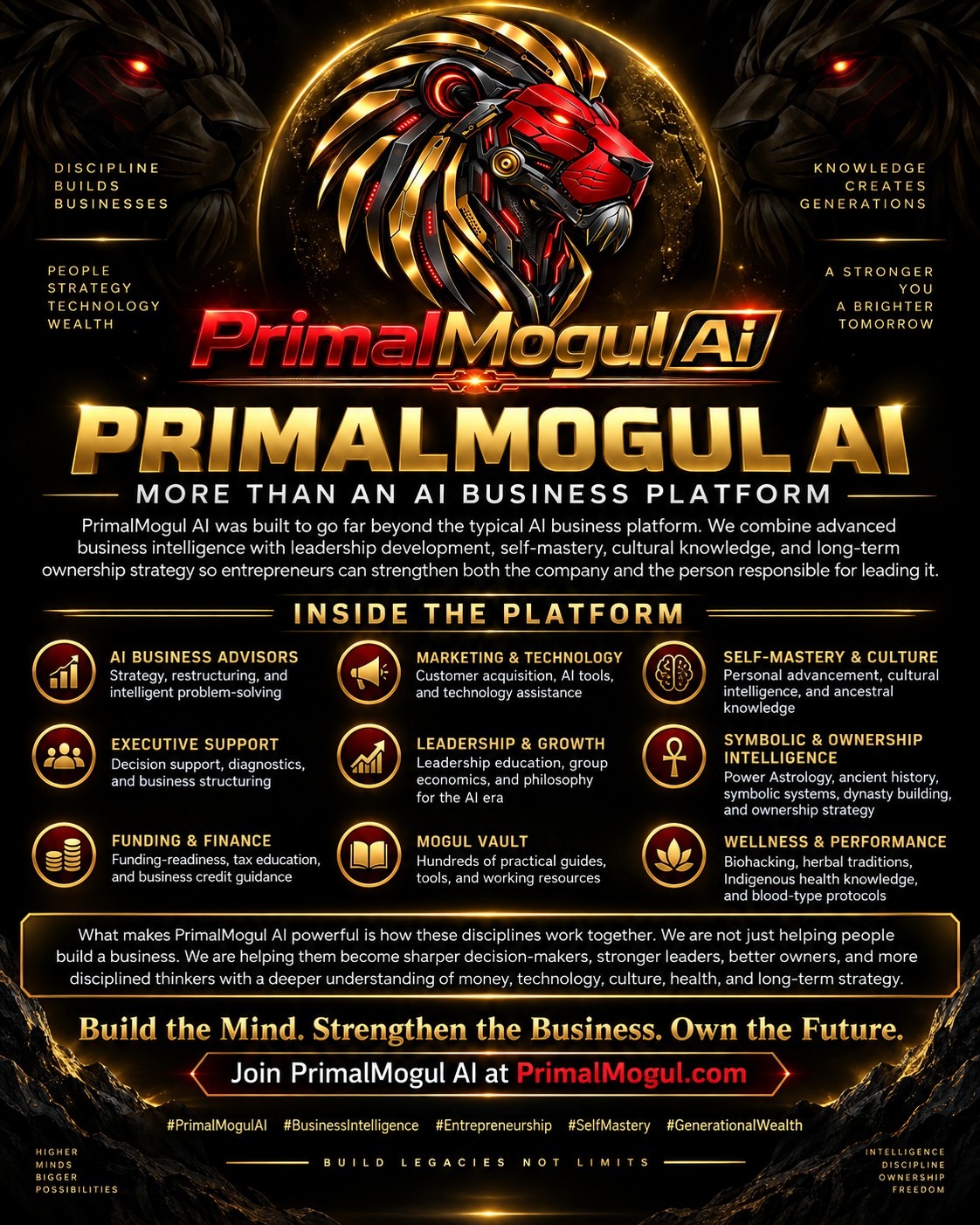
For operators serious about building ownership-first wealth in 2026, PrimalMogul AI was designed for this exact conversation.
The free Business Power Audit will identify in 12 questions:
- Where your current business structure undervalues your ownership position
- What your biggest blocker is right now
- What to fix first before scaling further
Beyond the free audit, three additional resources support deeper work:
- The Mogul Vault — Comprehensive playbooks, funding readiness frameworks, and AI tools for ongoing business development
- PrimalMogul AI Membership Tiers — Three operating levels designed around different stages of business growth
- The BoardRoom Council — Executive-level strategic direction across capital, marketing, technology, and risk
Each mogul profiled on this list reached their position by building rather than waiting. Their blueprints are now publicly available.
→ Take the Free PrimalMogul AI Business Power Audit
→ Explore the PrimalMogul AI Membership Tiers
Suggested Internal Links
The 12 Richest Hip-Hop & Entertainment Moguls in 2026
The Top 12 Richest Black Women Entrepreneurs in America (2026)
Skits to CEO: How Druski Engineered His $14 Million Dollar Media Empire
How Tory Lanez Made 1 Million Dollars In 60 Seconds
Black Mogul Takedowns: The Hidden War on Wealth, Power, and Influence
Bloodlines of Royalty: The Ancestral Prophecy of Nipsey Hussle
Source Notes for Publication
The following claims require verification against current sources before publication:
- Rihanna’s billionaire status and Fenty Beauty revenue figures – verify against the latest Forbes Billionaires list and LVMH financial disclosures
- Michael B. Jordan’s Outlier Society founding date and project ownership structure — verify against company filings and trade publications
- Travis Scott’s Cactus Jack Records label structure and McDonald’s partnership financial terms — verify against publicly disclosed figures
- Tyler, The Creator’s Camp Flog Gnaw festival ownership structure — verify against festival press materials
- Druski’s Coulda Been Records signed artists and brand partnership figures — verify against current trade press
- Megan Thee Stallion’s Hot Girl Productions corporate structure — verify against company filings
- Naomi Osaka’s Hana Kuma partnership with SpringHill and Kinlò ownership stake — verify against company press materials
- A$AP Rocky’s AWGE structure and Mercer brand details — verify against current trade press
- Iddris Sandu’s documented technology consulting work and partnerships — verify against published interviews and trade press
- Marsai Martin’s Genius Productions credit on Little (2019) and subsequent projects — verify against IMDb and studio press materials
- All ages calculated based on publicly known birthdates and should be verified against current dates at time of publication
This article presents strategic interpretation and cultural analysis. All references to net worth, business valuations, and ownership stakes are based on publicly reported information at the time of writing and should be verified before publication.
This content is educational and analytical in purpose. It does not constitute financial, business, or investment advice.
Step inside. Build with power. Lead with intelligence. Move like a mogul.