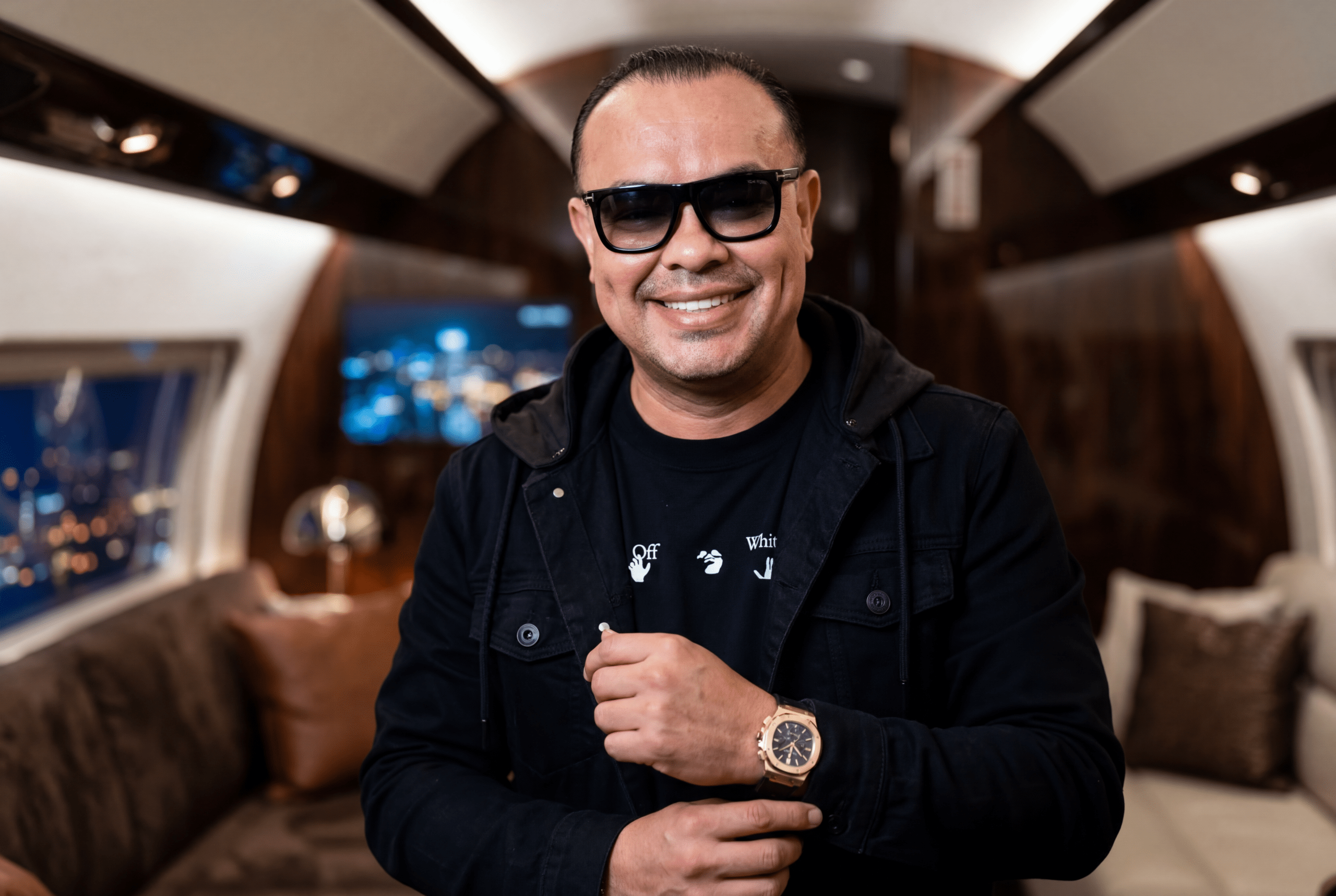
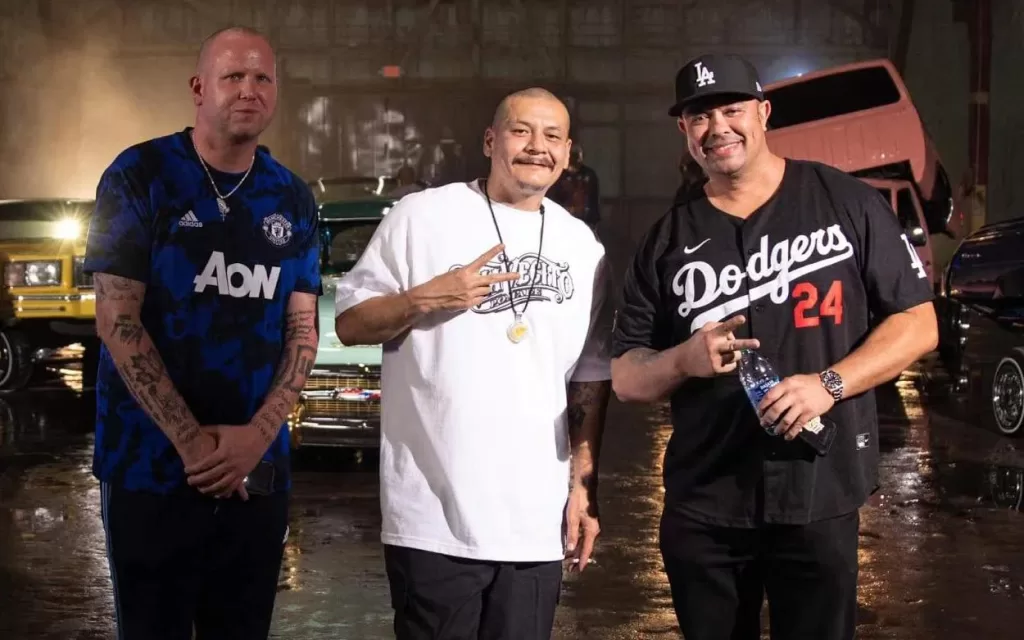
The Rise of Bobby Dee: Concert Promoter and Music Business Mogul
Updated: 03/18/2026
Introduction: A Power Broker in the Live Music Economy
In the architecture of the modern music industry, there are artists, there are corporations, and then there are the architects who quietly control the space between them. Bobby Dee belongs to the latter category.
His name does not dominate headlines in the same way as global superstars, yet his influence reverberates through sold-out arenas, cultural festivals, and the evolving intersection of hip-hop and Latin music.
Bobby Dee is not merely a concert promoter. He is a systems operator within the live entertainment economy, a strategist who has mastered the art of connecting talent, venues, and audiences into profitable, culturally resonant experiences.
His journey from the Southern California nightclub scene to national prominence offers a rare, instructive blueprint for entrepreneurs, particularly those seeking to build independent power in industries dominated by corporate giants.
This article traces his evolution step by step, examining his early foundations, business strategies, leadership philosophy, and the deeper lessons his career offers to modern builders, including members of the Primal Mogul ecosystem.
Early Life and Foundations: Learning the Game from the Ground Up
Bobby Dee’s story begins not in boardrooms, but in the nightlife circuits of Southern California during the late 1980s. This era was a critical moment in cultural history, with hip-hop expanding its geographic footprint and live performance becoming a central pillar of artist revenue.
Raised in an environment connected to the music and entertainment world, Bobby Dee gained early exposure to the mechanics of event promotion. Under the influence of his father, he absorbed the fundamentals of the business: how to draw crowds, how to manage talent relationships, and how to read the emotional pulse of an audience.
Unlike many who approach the industry from a distance, Bobby Dee’s education was experiential. He learned by doing—organizing local events, navigating unpredictable crowds, and refining his instincts in real time.
This foundation would later become one of his greatest advantages: a deep, intuitive understanding of what audiences actually respond to, not just what trends suggest.
There is limited public documentation regarding formal academic education, which in itself reflects a broader truth about the entertainment business.
Mastery in this field is less about institutional credentials and more about pattern recognition, relationship-building, and execution under pressure.
Career Beginnings: From Nightclubs to Structured Promotion
By the late 1980s and early 1990s, Bobby Dee had begun transitioning from participant to organizer. What started as small-scale nightclub promotions gradually evolved into more structured events. These early experiences were critical testing grounds.
At this stage, he learned three essential lessons that would define his career:
First, the importance of cash flow management. Even small events require upfront capital, and miscalculations can lead to immediate losses.
Second, the value of relationships. Artists, DJs, venue owners, and local influencers all play a role in determining whether an event succeeds or fails.
Third, the necessity of differentiation. In a crowded nightlife market, generic events struggle. Unique lineups and curated experiences create demand.
These principles laid the groundwork for the eventual creation of his company.
The Formation of Bobby Dee Presents: From Vision to Enterprise
In 1987, Bobby Dee formalized his efforts by establishing what would become Bobby Dee Presents. While the company would later evolve into a major independent promotion entity, its origins were modest.
The early mission was clear: create live experiences that stood apart from standard offerings. Rather than relying solely on mainstream acts, Bobby Dee focused on diversity—bringing together different genres, cultural influences, and audience segments.
As the company matured, it expanded beyond local venues into regional circuits and eventually into national touring. By the early 2000s, Bobby Dee Presents had developed into a recognized brand within the concert promotion industry, operating independently while competing with corporate giants.
The company’s headquarters in the Los Angeles area positioned it at the epicenter of both hip-hop and Latin music markets, two of the most culturally influential and commercially viable segments in the industry.
Building the Company: Team, Structure, and Operational Model
Behind every successful promoter is a coordinated operational team. While Bobby Dee himself serves as the strategic leader and deal architect, the company’s success relies on a network of professionals handling logistics, marketing, production, and artist coordination.
The structure typically includes:
- Talent buyers and booking coordinators
- Marketing and promotions teams
- Production managers overseeing staging and technical elements
- Venue liaisons and operations staff
What distinguishes Bobby Dee Presents is not just its structure, but its agility. Unlike large corporations burdened by bureaucracy, the company operates with a lean, responsive model. Decisions can be made quickly, opportunities can be seized early, and strategies can be adjusted in real time.
This flexibility is a major competitive advantage in an industry where timing is often the difference between profit and loss.
Concerts, Tours, and Festivals: Curating Cultural Moments
Bobby Dee’s reputation has been built on his ability to curate events that resonate deeply with audiences. His portfolio includes a wide range of concerts and festivals, from intimate shows to large-scale arena productions.
Notable events include:
- Once Upon a Time in the LBC – A Long Beach festival celebrating West Coast hip-hop culture
- King of the West Festival – A tribute to legacy artists and regional influence
- Numerous arena shows across venues such as Toyota Arena in Ontario and SAP Center in San Jose
What sets these events apart is not just scale, but curation. Bobby Dee consistently blends:
- Emerging artists on the rise
- Established mainstream acts
- Legacy performers with loyal fan bases
This approach creates layered experiences that appeal to multiple generations and demographics simultaneously.
Artist Network and Cultural Positioning
Over the years, Bobby Dee Presents has worked with a wide range of artists, including:
- Snoop Dogg
- Warren G
- Bone Thugs-N-Harmony
- Xzibit
Keith Sweat
In addition, the company has been instrumental in promoting rising Latin artists such as Peso Pluma, often before they reach peak mainstream visibility.
This dual focus hip-hop and Latin music places Bobby Dee at a powerful cultural intersection. These genres represent not only significant market segments, but also deeply engaged and loyal audiences.
Management and Partnerships: Expanding Influence
Bobby Dee’s influence extends beyond promotion into broader strategic partnerships and talent ecosystems.
One of the most notable collaborations is with Snoop Dogg and related entities, including Uncle Snoop’s Army. These partnerships provide access to high-profile talent, co-branded events, and expanded touring opportunities.
Additionally, ventures such as FKOA Presents demonstrate a targeted approach to Latin markets, further reinforcing his position within that space.
These partnerships function as leverage. Rather than building everything internally, Bobby Dee aligns with key players who enhance his reach and credibility.
Deal-Making Strategy: The Economics of Promotion
At the core of Bobby Dee’s business is deal-making. Each event is a financial equation involving multiple variables.
The process typically follows a structured sequence:
He first secures the artist, negotiating either a guaranteed fee or a percentage-based backend deal. The choice depends on the artist’s market value and projected ticket sales.
Next, he secures the venue, either through a rental agreement or a revenue-sharing arrangement.
He then finances the event, covering production, marketing, staffing, and operational costs.
Revenue is generated primarily through ticket sales, with additional streams from VIP packages, sponsorships, and merchandise.
Profit is determined by the spread between total revenue and total expenses.
This model places significant risk on the promoter. If ticket sales underperform, losses can be substantial. However, when executed correctly, the upside is considerable.
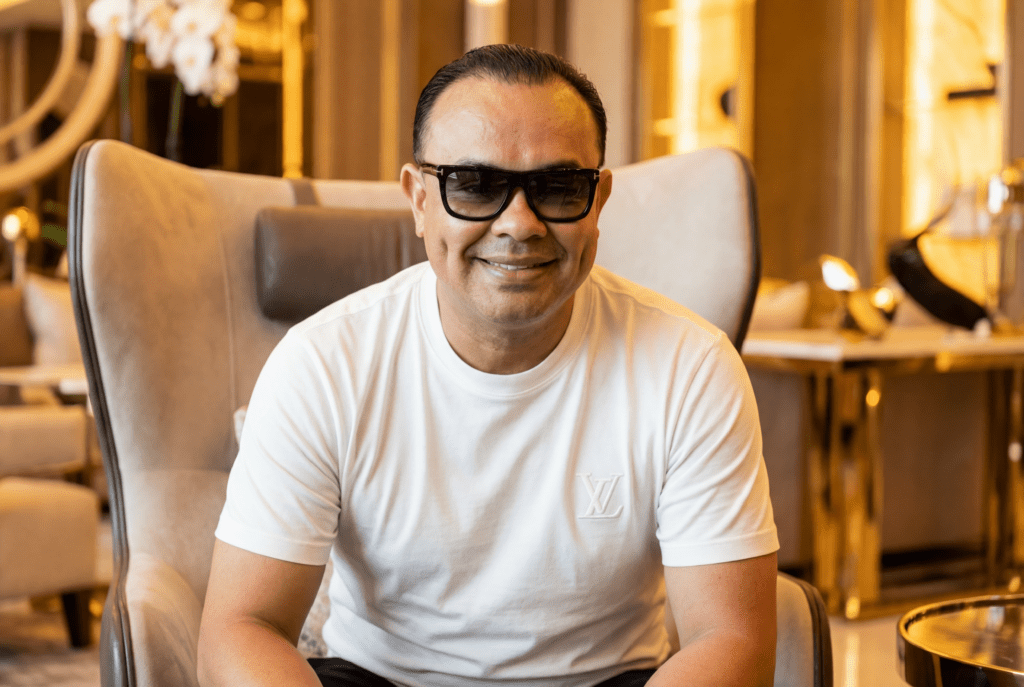
Leadership Style: Precision, Relationships, and Cultural Intelligence
Bobby Dee’s leadership style can be characterized by three core principles:
- Precision in execution. Every detail matters, from lineup selection to stage design. This attention to detail ensures consistent quality.
- Relationship-driven strategy. Trust with artists, managers, and venues is central to his operations. These relationships create repeat opportunities and preferential access.
- Cultural intelligence. He understands the nuances of the communities he serves. This allows him to create events that feel authentic rather than manufactured.
Unlike corporate promoters who rely heavily on data models, Bobby Dee balances data with instinct, experience, and cultural awareness.
Longevity and Sustainability: Surviving a High-Risk Industry
The concert promotion business is notoriously volatile. Many promoters experience short-term success but fail to sustain it.
Bobby Dee’s longevity spanning over three decades can be attributed to several factors:
- Strategic risk management
- Diversification across genres and markets
- Continuous relationship cultivation
- Adaptability to industry changes
He does not rely on a single trend or artist. Instead, he builds a portfolio of opportunities, ensuring resilience even when individual events underperform.
Bobby Dee Net Worth:
Bobby Dee, a prominent West Coast concert promoter and founder of Bobby Dee Presents, has generated significant revenue in the music industry, with his company grossing over $11 million in Q3 2024 alone. He specializes in booking major hip-hop and urban acts, solidifying his status as a key concert industry mogul.
- Company Success: Bobby Dee Presents secured the No. 97 spot in Pollstar’s Worldwide Top 100 Promoter Grosses for Q3 2024, earning $11,467,631.
- Industry Role: He is known for promoting artists such as Bone Thugs-N-Harmony, Xzibit, and DJ Quik.
- Business Profile: He is a major figure in concert promotion and event booking, often operating in competitive urban music markets
Family and Personal Life
Public information about Bobby Dee’s family life remains relatively private, which is not uncommon among industry professionals who prefer to separate personal and professional spheres.
However, it is evident that his early exposure to the industry through family influence played a significant role in shaping his career. This underscores the importance of mentorship and generational knowledge transfer in building long-term success.
Strategic Lessons for Primal Mogul Members
Bobby Dee’s career offers several actionable insights for entrepreneurs:
First, control the transaction layer. He does not own artists or venues, yet he controls the moment where money changes hands. This principle can be applied to digital platforms, where controlling access and interaction creates leverage.
Second, build relationship capital. In any industry, access often determines opportunity. Strong relationships reduce friction and open doors.
Third, identify underserved markets. Bobby Dee’s focus on hip-hop and Latin audiences allowed him to dominate spaces overlooked by larger players.
Fourth, balance risk and reward. High returns require calculated risk. The key is managing exposure while maximizing upside.
Frequently Asked Questions
Who is Bobby Dee?
Bobby Dee is an independent concert promoter and founder of Bobby Dee Presents, known for producing concerts, tours, and festivals across the United States.
What is Bobby Dee Presents?
Bobby Dee Presents is a concert promotion company specializing in live events, artist bookings, and tour production.
How does he make money?
Primarily through ticket sales, supplemented by VIP packages, sponsorships, and merchandise.
What makes him different from major promoters?
His independence, cultural focus, and relationship-driven approach distinguish him from corporate entities.
What industries does he dominate?
West Coast hip-hop and Latin music markets.
Conclusion: The Architecture of Influence
Bobby Dee’s rise is a case study in strategic positioning, cultural awareness, and operational discipline. He has built a career by mastering the space between creation and consumption, where value is realized and transactions occur.
His journey demonstrates that power does not always come from ownership. It can come from coordination, from connection, and from the ability to bring people together in ways that create economic and cultural impact.
For those building in the digital era, the parallels are clear. Whether the platform is a concert venue or an AI-powered ecosystem, the underlying principles remain the same: understand your audience, build strong relationships, execute with precision, and position yourself at the center of value exchange.
Contact & Booking Info:
Address: 9950 Bell Ranch Dr suite 104
Santa Fe Springs, CA 90670
Website: bobbydeepresents.com
Email: bobby@bobbydeepresents.com
Join The Primal Mogul Movement
The Primal Mogul movement embodies these same principles. It is designed for individuals who seek not just participation in the economy, but control over their role within it.
By joining, members gain:
- Access to structured business intelligence and execution frameworks
- AI Tools to build scalable systems rather than relying on manual effort
- A network and philosophy centered on ownership, strategy, and long-term wealth creation
The path forward is not about following trends. It is about building systems that endure.
Bobby Dee built his empire through live experiences. The next generation of moguls will build theirs through digital systems, cultural intelligence, and strategic control.
The opportunity is present. The question is whether you are prepared to step into it.