
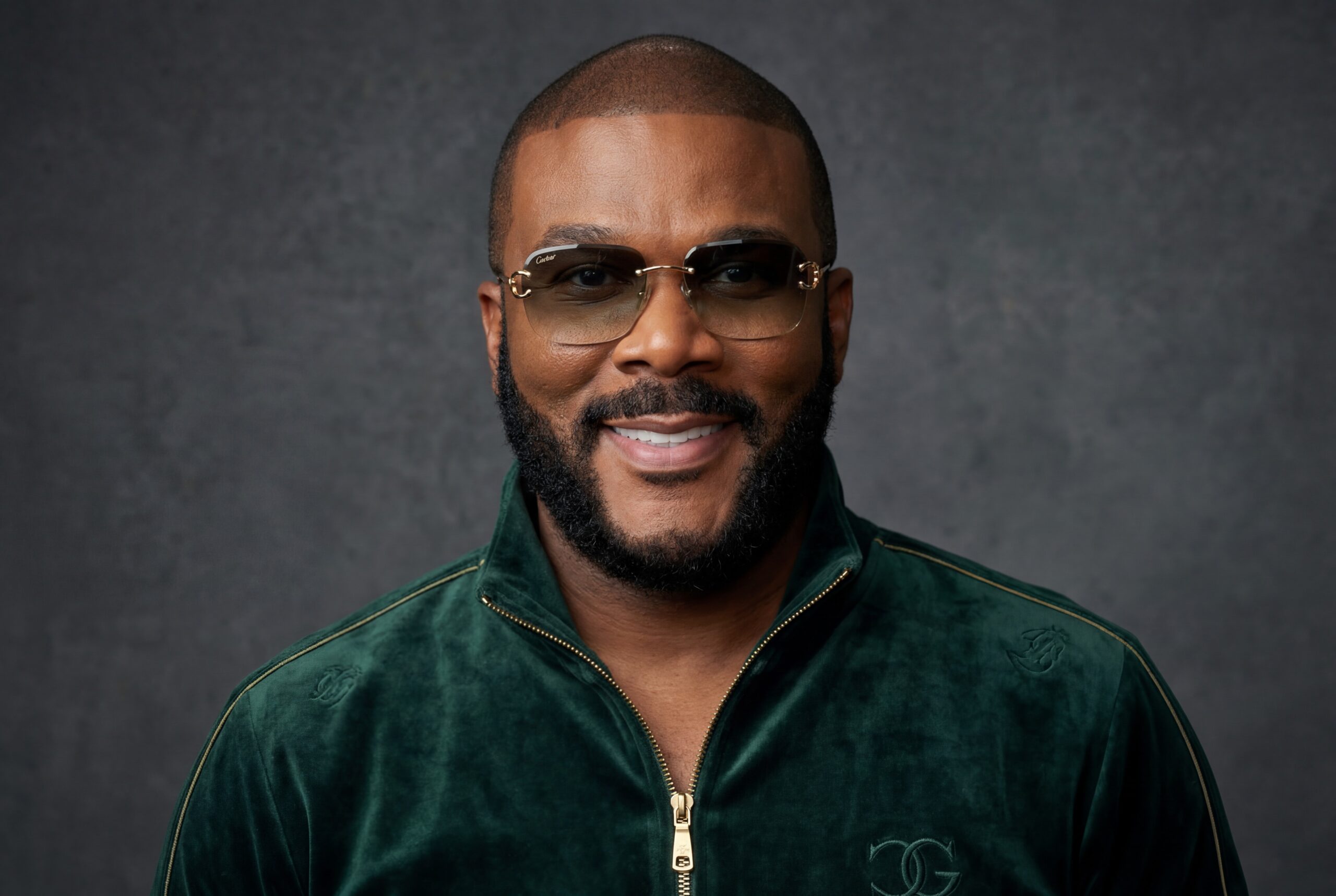

Tyler Perry: Ownership, AI Leverage, and Real Independence
Introduction: Ownership, AI Leverage, and Real Independence
Success in business is often misunderstood. Many people focus on visibility, talent, or short-term income, yet those factors do not determine long-term control. Ownership determines control. Ownership determines how long income lasts.
Few modern figures illustrate this better than Tyler Perry. His rise was not built on traditional approval or industry acceptance.
He built his position by controlling his work, his distribution, and his infrastructure. That approach created a system where his income did not depend on permission from others.
Most people today are operating in environments where they do not own the core assets. They contribute effort, but someone else controls the outcome. The lesson from Tyler Perry is not simply to work harder. The lesson is to structure your work so that you own the result.
This post breaks down what ownership looks like in practice, how Tyler Perry applied it, and how you can apply those same principles using modern tools to build income today.
The Ownership Principle: Control the Source, Not Just the Output
Ownership is not an abstract concept. Its a set of decisions that determine who benefits from your work over time.
There are three levels to consider:
- Creation – Who produces the work
- Distribution – Who controls how it reaches people
- Monetization – Who collects the revenue
Many individuals participate in creation but do not control distribution or monetization. That limits their income potential. Tyler Perry approached this differently.
Tyler Perry wrote, produced, and distributed his own content. He built his own studio and retained rights to his work. Those decisions allowed him to scale without losing control.
This approach can be applied today, even at a smaller scale. The tools available now make it possible for individuals to control all three levels without needing a large organization.
Lesson 1: Build What You Can Control
Tyler Perry did not wait for traditional approval. He created his own plays, marketed them directly, and built an audience through consistent output. That decision allowed him to develop a foundation that did not depend on external validation.
Control starts with what you can produce.
In today’s environment, that includes:
- Content that attracts attention
- Systems that generate leads
- Products that deliver value
Each of these can be created and managed independently.
When you control production, you control the direction. When you rely entirely on others, your progress becomes dependent on their decisions.
Applying This Today
You can apply this principle by:
- Creating content that speaks to a specific audience
- Building a platform where that content lives
- Structuring offers that solve real problems
The goal is not to produce random material. The goal is to create assets that can generate income.
Lesson 2: Own Your Platform
One of Tyler Perry’s most significant moves was building his own studio. That decision removed dependence on external production facilities and gave him full control over his work.
Owning a platform does not always mean owning physical infrastructure. It means having a space where you control the audience and the message.
Examples today include:
- A website with structured content
- An email list
- A system where users engage directly with your work
Social platforms are useful for visibility, but they are not owned assets. Ownership comes from controlling where your audience interacts with you.
Applying This Today
You can establish platform control by:
- Building a central site that houses your content and offers
- Capturing contact information to maintain direct communication
- Structuring your platform so it leads toward income-producing actions
This reduces dependence on external algorithms and creates stability.
Lesson 3: Turn Content Into Assets
Tyler Perry did not treat his work as temporary output. Each piece of content became part of a larger system that generated revenue over time.
Content can function in the same way today.
Instead of viewing content as something that is posted and forgotten, it should be treated as an asset that:
- Attracts attention
- Educates the audience
- Leads to a specific action
Each article, video, or post becomes part of a larger structure.
Applying This Today
You can transform content into assets by:
- Focusing on topics that address real problems
- Structuring content to guide readers toward solutions
- Linking content to offers that generate income
This approach creates a system where content continues to work long after it is published.
Lesson 4: Control the Narrative
Tyler Perry built his audience by speaking directly to their experiences. He did not rely on external narratives to define his work. That control allowed him to build a loyal cult following.
Narrative control is critical because it determines how your audience understands your value.
If you do not define your message, others will.
Applying This Today
You can control your narrative by:
- Clearly stating what you help people achieve
- Repeating that message consistently
- Aligning all content with that message
This creates recognition and trust over time.
Lesson 5: Build Systems, Not Moments
Temporary success comes from isolated wins. Long-term success comes from systems.
Tyler Perry’s work was not built on a single project. It was built on a repeatable process that produced consistent output.
Systems create stability. They reduce uncertainty. They allow you to operate at a higher level.
Applying This Today
You can build systems by:
- Defining repeatable workflows
- Structuring daily tasks around income-producing actions
- Using AI tools that support consistency
This ensures that progress continues even when motivation fluctuates.
How to Apply Ownership Using AI Today
Modern tools allow individuals to operate at a level that previously required teams. This does not eliminate effort, but it changes how effort is applied.
Ownership today means:
- Creating content that attracts attention
- Structuring systems that convert that attention into income
- Maintaining control over the process
AI supports these functions by assisting with organization, communication, and execution.
Practical Application Model
A simple ownership-based system might include:
1. Content Creation: Articles, posts, or media that address specific problems
2. Lead Capture: Email systems that collect contact information
3. Offer Structure: Products or services that solve those problems
4. Follow-Up System: Communication that maintains engagement
Each component can be managed by one person when supported by structured tools.
Benefits for Primal Mogul Members
Members of Primal Mogul are positioned to apply these ownership principles with guidance and structure.
- PrimalMogul AI helps design business models, structure offers, and organize execution.
- Chairman AI directs decisions, ensuring that actions align with income-producing outcomes.
- PrimalContent AI supports the creation of content that attracts and converts audiences.
These AI tools work together to create a system where:
- Content becomes an asset
- Platforms are controlled
- Income is structured
Members are guided through processes that reduce uncertainty and increase consistency.

Common Misconceptions About Ownership
Ownership Requires Large Capital
Ownership can begin with small systems. Digital platforms allow individuals to build assets without large financial investment.
Ownership Is Only for Established Entrepreneurs
Ownership is a process, not a status. It starts with decisions about control and structure.
Ownership Means Doing Everything Alone
Ownership does not eliminate collaboration. It ensures that you maintain control over key elements.
Frequently Asked Questions
How can someone start building ownership with limited resources?
Begin by creating content and structuring a platform where that content lives. Focus on consistency and alignment with income-producing goals.
Is it possible to apply these principles without prior business experience?
Yes. Structured systems reduce complexity and guide execution.
How long does it take to see results?
Results vary based on consistency and focus. Systems that are used daily tend to produce results more quickly.
What is the most important factor in building ownership?
Control over the process. This includes creation, distribution, and monetization.
How does Primal Mogul support this process?
Primal Mogul provides AI tools and business frameworks that guide users through building systems that generate income.
Conclusion: Ownership Is the Strategy That Lasts
Tyler Perry’s success is the result of decisions that prioritized control, structure, and consistency.
Ownership is not reserved for a select group. It’s available to those who choose to build systems rather than rely on temporary opportunities.
The environment today makes it possible to apply these principles without the barriers that existed in the past.
AI Tools exist that allow individuals to create, distribute, and monetize their work with greater efficiency.
Those who focus on ownership position themselves for long-term success. Those who do not remain dependent on external systems.
The difference is in the approach.
Call to Action: Build What You Control
If you are ready to move beyond temporary efforts and start building systems that generate income, the next step is to implement a structured approach.
Primal Mogul provides that structure.
With tools like PrimalMogul AI and Chairman AI, you gain access to systems that guide you from idea to execution.
You are not left to guess. You are given direction, structure, and tools designed for real results.
Join Primal Mogul today and start building assets you control.








Leave a Reply