

From Employee to Owner: The 90-Day Launch Path With AI Advisors
The pink slip doesn’t ask permission. One Friday you have a badge, a desk, and a direct deposit. By Monday you have a severance check, a lot of questions, and a calendar that suddenly belongs to you.
Thousands of people are standing in that exact spot right now, and most of them will spend the next three months scrolling job boards and waiting for someone else to decide their value.
Some will make a different move. They’ll take the skills they spent years selling to one employer and start selling them to the market directly. That shift, from employee to owner, isn’t reserved for people with rich uncles or business degrees. It’s a sequence of decisions made in the right order.
This Power Post lays out that order across 90 days, and it shows where AI advisors can carry the heavy prep work while you stay in the owner’s chair.
| Phase | Days | Primary Goal |
|---|---|---|
| Decide | Before Day 1 | Choose the side business path or the full-time path |
| Choose, Test, Structure | 1–30 | Pick the right business and set it up correctly |
| Get Paid | 31–60 | Land your first paying customers |
| Build the System | 61–90 | Organize records, pricing, and growth readiness |
The Paycheck Was Never Security
Why One Employer Equals One Customer
Every employee runs a business with exactly one customer. That customer sets your price, controls your schedule, and can end the relationship with two weeks’ notice or none at all.
Most people don’t see a job this way until the job disappears. Once you see it, the idea of ownership stops sounding risky and starts sounding like diversification.
Owners spread that risk across many customers. When one client leaves, revenue drops, but the company survives. Spreading risk this way is the real economic difference between working for income and building income you control. Skills, discipline, and reputation transfer directly from employment into ownership.
What changes is who captures the value those skills create.
None of this means everyone should quit. Ownership carries its own pressure, and the smartest launchers build income alongside employment, then decide from a position of strength. The goal of the next 90 days is clarity, revenue, and structure.
- A job concentrates your income risk in one customer.
- Ownership spreads that risk across many buyers.
- Your existing skills are the first asset of your new company.
- Severance and savings are seed capital, not a paycheck replacement.
- The decision to go full time should follow evidence, not emotion.
Key Executive Tip: Write down the three skills your last employer paid you most for. Your first business offer almost always lives inside one of those three, because the market has already proven someone will pay for it.
Before Day One: Side Business or All In?
The Decision That Shapes the Next 90 Days
Your launch path depends on your cash position, not your courage. Someone with six months of expenses saved can afford a slower build. Someone with six weeks needs revenue quickly and should choose a business that can produce cash fast.
| Factor | Side Business Path | Full-Time Path |
|---|---|---|
| Best for | Still employed or job hunting | Out of work with savings runway |
| Speed to revenue | Slower, steady | Must be fast |
| Risk level | Lower | Higher |
| Ideal first business | Service, digital product, consulting | Service with fast payment cycles |
| Exit signal | Business income covers core bills | Clear demand by Day 60 |
Both paths are legitimate. Plenty of serious companies started on nights and weekends while a paycheck covered the rent. The path you choose today isn’t permanent. Treat it as the starting lane.
- Count your real runway: savings divided by monthly expenses.
- Choose the side path if your runway is under four months.
- Pick a business that can collect payment within 30 days.
- Set a written “go full time” number before emotions get involved.
Key Executive Tip: Define your full-time trigger as a number, such as three consecutive months of business income covering your essential bills. Founders who skip this step tend to quit too early or stay stuck too long.
Days 1–30: Choose, Test, and Structure
Pick a Business That Fits Your Skill, Cash, and Time
The wrong business costs more than a slow start. Launchers often chase whatever is trending online, then discover the idea requires inventory, licenses, or skills they don’t have. The better question is simple: what can you sell this month, with what you already know, to people who already have the problem?
Service businesses usually win the first 90 days. Consulting, bookkeeping support, marketing help, AI implementation, and skilled freelance work need little startup cash and can collect payment quickly.
Digital products and e-commerce can grow larger over time, but they usually need an audience before they produce dependable revenue.
Set Up the Company the Right Way
Structure protects what you’re building. Many founders form an LLC so business activity is kept separate from personal life, though the right entity depends on your state and situation.
An Employer Identification Number from the IRS is free and takes minutes online. A dedicated business bank account comes next, because mixing personal and business money creates messy records and can weaken liability protection.
- Choose a business that matches your skills and timeline.
- Confirm local licensing requirements before selling.
- Form your entity after you’ve chosen the business, not before.
- Get an EIN and open a separate business account.
- Keep every receipt from the first day forward.
Key Executive Tip: Don’t spend weeks on logos and websites before the business has a customer. A clean one-page offer and a separate bank account matter more in month one than any brand kit.
Days 31–60: Get Paid Before You Get Fancy
Prove Demand With Real Customers
Revenue is the only test that matters. Compliments, likes, and “I’d buy that” from friends don’t count until money changes hands. Month two is about getting your first three to five paying customers. That gives you proof, testimonials, and a clearer picture of what buyers actually value.
Your warmest market is the fastest route. Former coworkers, industry contacts, and people who already respect your work are more likely to say yes than strangers.
A direct, personal message describing what you now offer will outperform a hundred social posts in this phase. Each early customer also teaches you something about pricing, delivery, and the language buyers use to describe their own problem.
Price with intention. New owners commonly undercharge because they’re grateful for any sale. Low prices attract demanding clients and leave no margin for growth. Start at a fair rate, deliver strongly, and raise prices as your proof builds.
- Contact 10 people a day who could use your offer.
- Ask for a paid starter project, not a free trial.
- Collect a testimonial after every finished job.
- Track which message got the most responses.
- Adjust the offer based on real buyer language.
Key Executive Tip: After each sale, ask the customer one question: “What almost stopped you from buying?” The answers will rewrite your offer faster than any marketing course.
Days 61–90: Build the System That Keeps You Open
Records, Pricing, and Funding Readiness
Getting customers proves the business can start. Building systems proves it can last. Month three turns scattered activity into repeatable operations so the company doesn’t collapse the first time you’re sick, busy, or overwhelmed.
Start with records. Monthly income and expense tracking shows whether you’re truly profitable, and it prepares you for productive conversations with a CPA. Clean financial records also matter if you ever pursue business credit or funding, because lenders evaluate documentation, banking history, and time in business.
Next, document how you deliver your service. A simple written checklist for your most common job lets you train help later and spot inefficiencies now. Then review your pricing against the time each job actually took. Many owners discover in month three that their best-selling offer is their least profitable one.
- Reconcile income and expenses every month.
- Write a checklist for your most common delivery.
- Compare price against actual hours spent.
- Build business banking history with consistent deposits.
- Set one measurable revenue goal for the next quarter.
Key Executive Tip: Lenders read your records before they read your story. Ninety days of clean, separated business banking is one of the most valuable assets a new founder can build, and it costs nothing but discipline.
Where AI Advisors Fit, and Where You Still Lead
The Owner Makes the Call
AI changed the math for new founders. Work that once required a consultant, an analyst, and a marketing assistant can now be prepared in hours. A capable AI advisor can help compare business ideas against your skills and available cash. It can draft your first offer, organize startup costs, and help you prepare questions before you speak with a CPA or attorney.
Leadership stays with you. AI can prepare the analysis, but it doesn’t carry the risk, sign the contract, or face the customer. Founders who treat AI as staff, briefed clearly and reviewed carefully, get the most value. Founders who treat it as an oracle tend to make expensive mistakes with total confidence.
- Use AI for preparation, comparison, and first drafts.
- Verify anything involving law, taxes, or regulated work.
- Give your advisor clear context about your business.
- Make final decisions yourself, every time.
Key Executive Tip: Before any major decision, ask your AI advisor to argue against your plan. A tool that only agrees with you is a mirror. One that challenges you is an advisor.
Mogul Frequently Asked Questions
Can I start a business while collecting unemployment?
Rules vary by state, and self-employment income can affect benefits. Check with your state’s unemployment agency before you start earning, and report income as required.
What happens to my health insurance?
Losing job-based coverage generally qualifies you for a Special Enrollment Period on HealthCare.gov. COBRA may also be available. Compare costs before deciding.
Do I need an LLC before my first sale?
Not always, but separating business and personal activity early is wise. Review your state’s requirements and consider professional guidance for your situation.
How much money do I need to start?
Many service businesses launch with very little cash beyond filing fees and basic tools. Product businesses usually require more capital for inventory and marketing.
Should I use my severance to fund the business?
Protect your living expenses first. Invest only what you could lose without missing rent.
What if nobody buys by Day 60?
Treat it as data. Revisit the offer, the price, or the audience before abandoning the idea entirely.
Can AI replace a business coach or consultant?
AI handles much of the preparation and analysis. Licensed professionals should still review legal, tax, and financial decisions.
Power Conclusion
The jump from employee to owner is a sequence of decisions, and it doesn’t require a leap of faith. Choose your path based on runway. Pick a business that matches your skills and can collect payment quickly.
Structure it correctly, prove demand with real customers, and spend month three building the records and systems that let a young company survive pressure. Ninety days won’t build an empire, but it can build something rarer: a business with real customers, clean books, and an owner who knows exactly what to do next.
Your skills already have a market. The question is whether you’ll keep renting them to one buyer or start offering them to many.
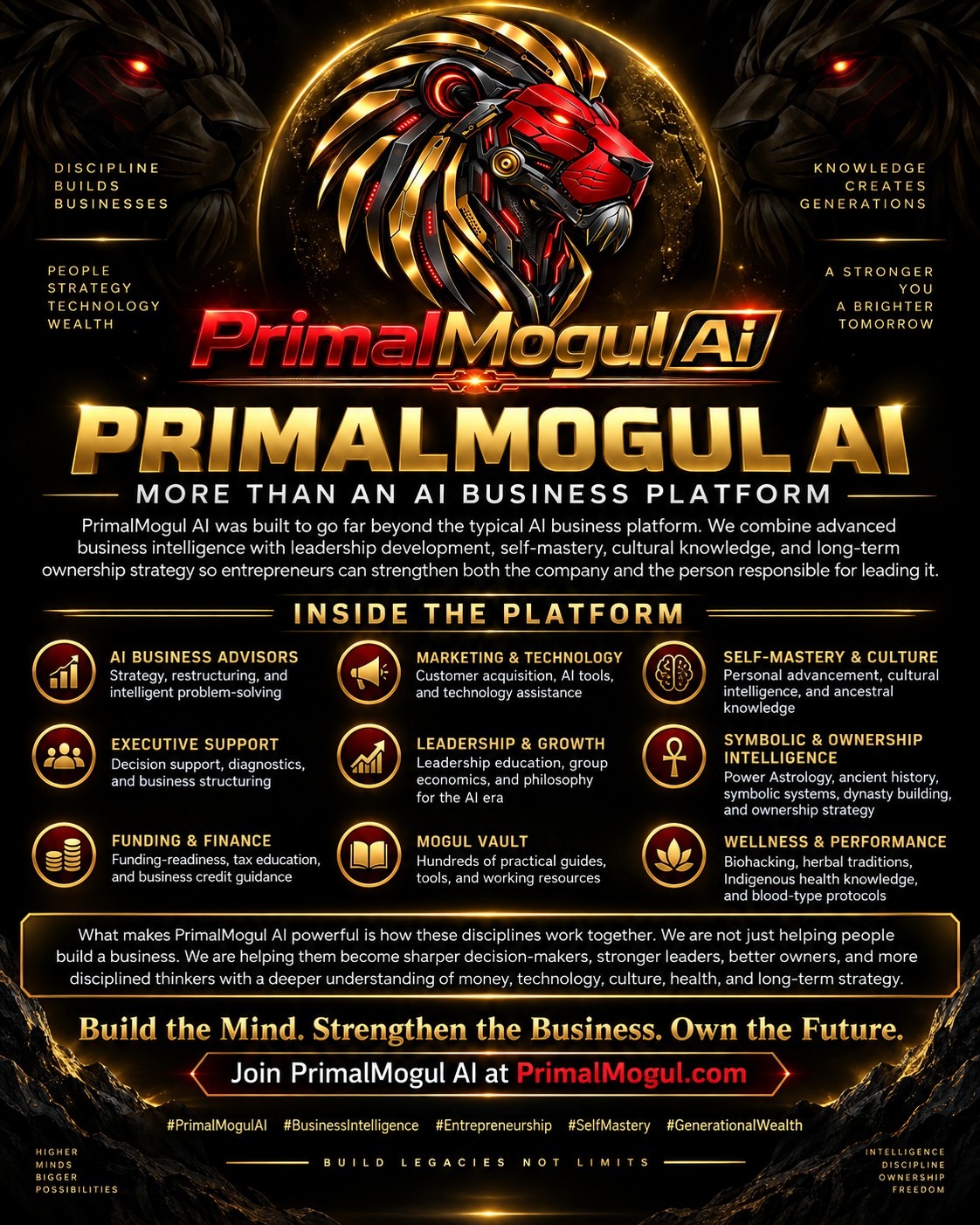
Build Your Launch With PrimalMogul AI
PrimalMogul AI gives launchers a private team of AI business advisors built to support every stage, from choosing the right business to operating, growing, and scaling it. Members get guidance that stays with them long after Day 90.
- Compare business ideas against your skills, cash, and timeline.
- Prepare your structure, records, and funding readiness step by step.
- Get ongoing advisor support as your company grows.
PrimalMogul AI provides business education and AI-assisted decision support. It does not provide legal, tax, accounting, or lending advice. Results depend on your market, effort, and circumstances.
Sources to Cite and Link:
- IRS.gov: “Apply for an Employer Identification Number (EIN) Online” (confirms the EIN is free)
- SBA.gov: “Choose a Business Structure” and “Open a Business Bank Account”
- HealthCare.gov: Special Enrollment Period guidance for loss of job-based coverage
- Your state’s Secretary of State website: LLC filing requirements and fees
- Your state’s unemployment agency: rules on self-employment income while receiving benefits