
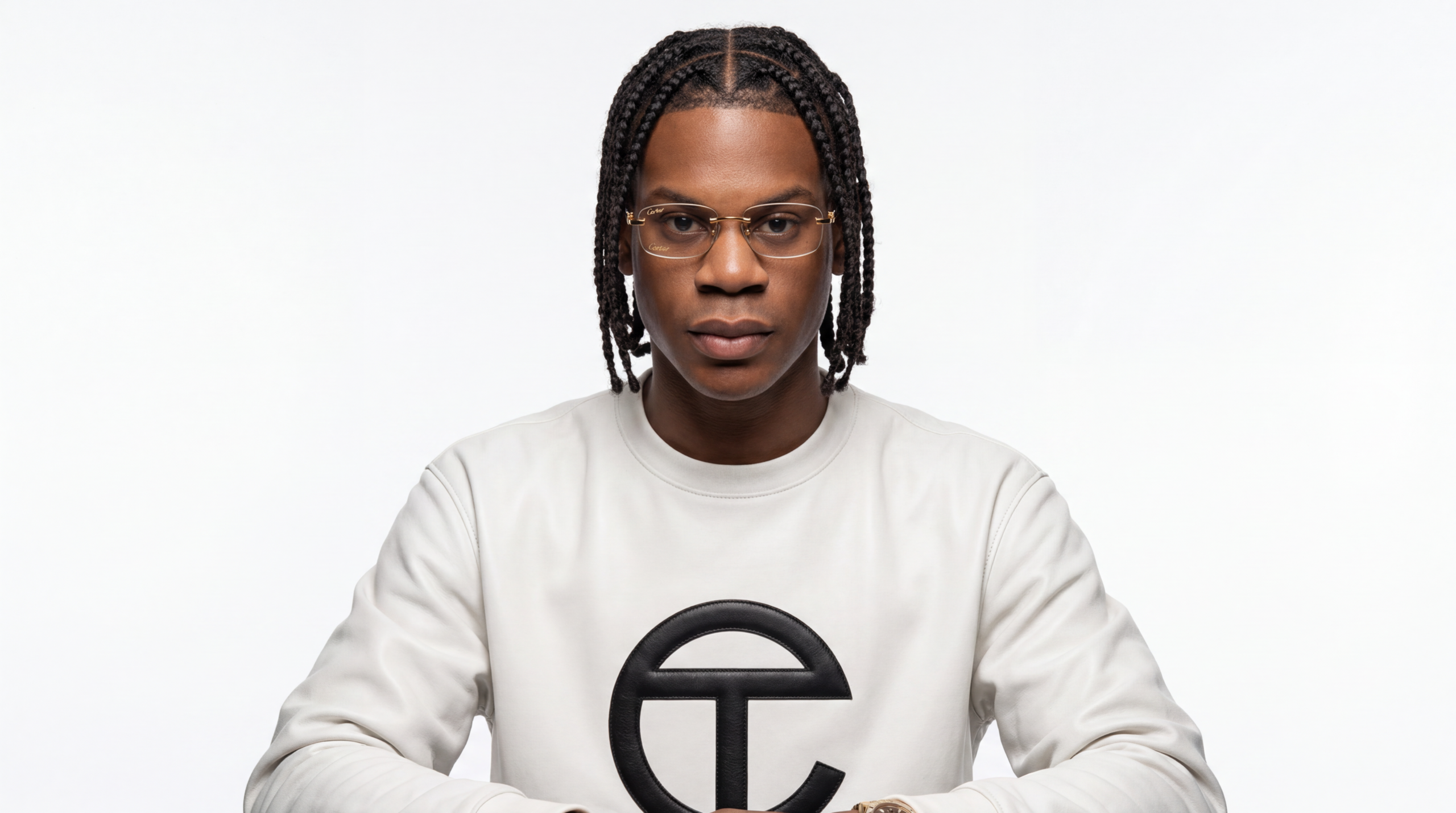

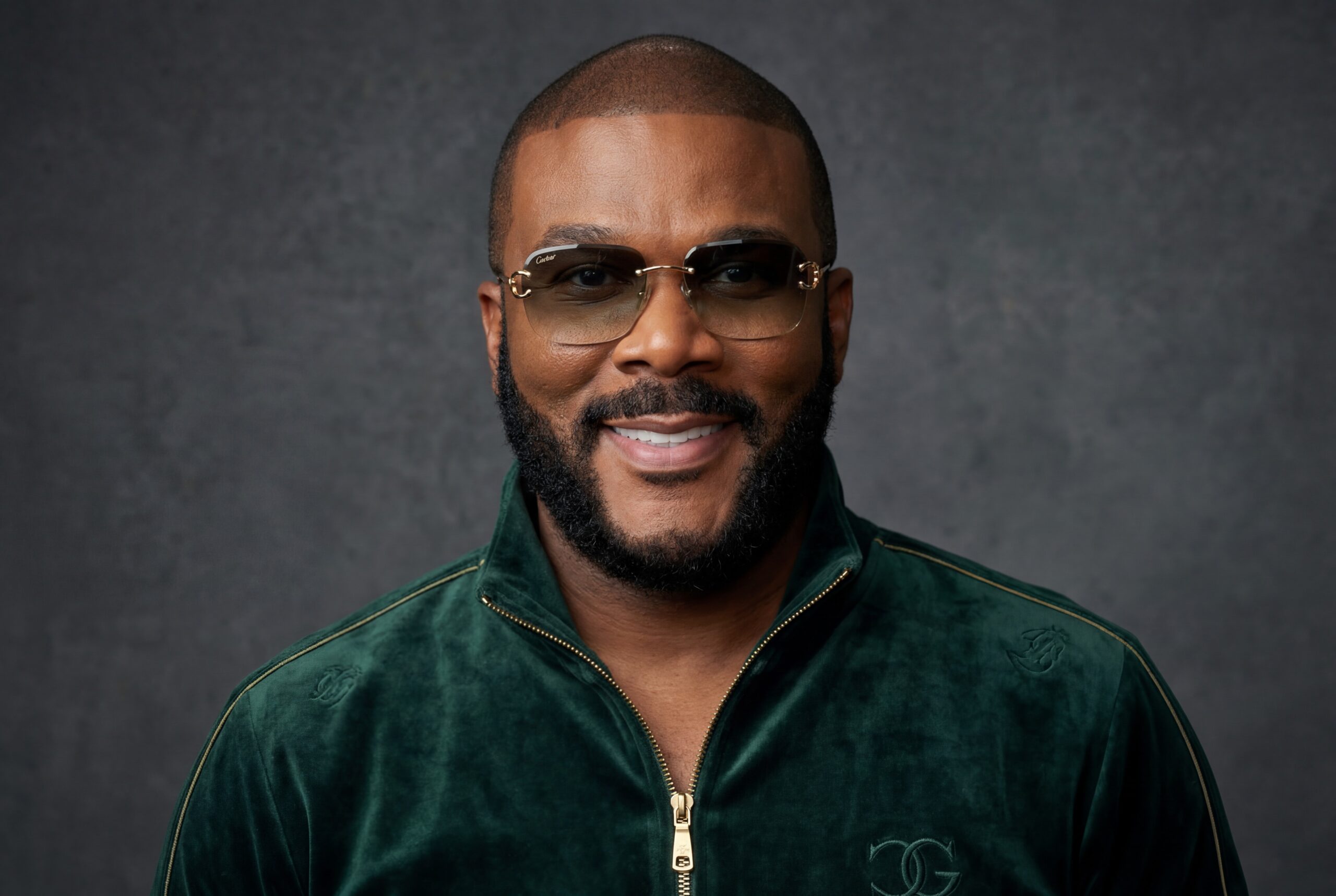
Telfar Clemens: The Cultural Architect Who Turned a $150 Bag Into a Global Fashion Movement
Primal Mogul Exclusive
Introduction: Redefining the Meaning of Luxury
In the traditional fashion world, luxury is built on exclusivity. Brands restrict supply, elevate prices, and maintain an aura of unattainable status. For decades this model dominated the industry.
Telfar Clemens challenged that entire structure.
Instead of exclusivity, Telfar Clemens built a fashion brand based on accessibility and cultural authenticity. His philosophy was simple yet radical: fashion should belong to the people who create culture, not just the elite who consume it.
That philosophy ultimately produced one of the most recognizable accessories of the modern era: the “Telfar Shopping Bag”, a product that transformed a small independent label into a global fashion symbol.
Early Life: A Creative Mind Between Cultures
Telfar Clemens was born in Queens, New York, to Liberian parents who immigrated to the United States seeking opportunity.
Growing up in New York exposed him to a blend of cultures, music scenes, underground art movements, and street fashion. These influences shaped his view of style not as a luxury commodity but as a living cultural expression.
Unlike many designers who enter the industry through elite fashion schools, Clemens built his creative identity organically through nightlife, underground creative circles, and experimental fashion communities in New York City.
While studying at Pace University, he began designing clothing that blurred gender lines and rejected traditional fashion categories. His early work challenged the rigid structure of menswear and womenswear, creating garments meant to be worn by anyone.
This early experimentation laid the philosophical foundation for his brand.
The Birth of the Telfar Brand
Clemens launched Telfar in 2005.
From the beginning, the brand positioned itself differently from traditional fashion houses. Rather than chasing luxury status, Telfar focused on cultural authenticity and community participation.
The brand’s slogan became a powerful declaration:
“Not for you. For everyone.”
This philosophy rejected the elitism that dominates high fashion. Clemens believed style should reflect the communities that shape culture: musicians, artists, nightlife figures, and everyday creators.
The early years were challenging. Independent designers often struggle with manufacturing, funding, and distribution. For years, Telfar remained a niche label known primarily in creative underground circles.
But the brand was quietly developing something powerful: a loyal cultural community.
The Product That Changed Everything
The turning point came with the introduction of the Telfar Shopping Bag.
Simple in structure but strong in identity, the bag featured a clean silhouette and the distinctive Telfar “TC” logo. It came in multiple sizes and colors, making it versatile and accessible.
Unlike most luxury bags, the price point was relatively affordable. Many versions sold for roughly $150 to $300, placing them within reach of a much wider audience than traditional luxury accessories.
This accessibility helped fuel rapid adoption.
Soon the bag developed a nickname within fashion culture: the “Bushwick Birkin.”
The term referenced the famous Hermès Birkin bag but flipped the traditional luxury narrative. Instead of elite exclusivity, the Telfar bag symbolized cultural belonging.
It was not just a product.
It became a cultural badge.
The Internet Creates a Fashion Phenomenon
The rise of social media accelerated the brand’s growth dramatically.
Artists, musicians, stylists, and cultural influencers began carrying the bag organically. Unlike many fashion brands that rely heavily on paid celebrity endorsements, the Telfar bag spread through community enthusiasm and social media visibility.
Demand quickly outpaced supply.
Every new product drop sold out almost instantly.
This scarcity created a secondary resale market where bags sometimes sold for significantly higher prices than retail. Ironically, the brand built around accessibility began experiencing the same scarcity dynamics as luxury brands.
Instead of embracing artificial scarcity, Clemens introduced a groundbreaking idea.
The Bag Security Program
In 2020, Telfar launched the Bag Security Program, a pre-order system allowing customers to reserve bags during designated ordering windows.
Anyone could place an order during these windows, and every order would be fulfilled.
This strategy eliminated the frustration of limited drops and prevented resellers from dominating the market.
The program became one of the most innovative retail distribution strategies in modern fashion.
It also reinforced the brand’s core philosophy: the community comes first.
Industry Recognition
Telfar’s growing influence eventually gained institutional recognition.
In 2017, Clemens won the CFDA/Vogue Fashion Fund Award, one of the most prestigious honors in American fashion.
The award provided financial support and mentorship opportunities that helped scale the brand’s operations.
More importantly, it validated Clemens as one of the most innovative designers of his generation.
Cultural Power Beyond Fashion
The impact of Telfar Clemens extends far beyond accessories.
His brand sits at the intersection of fashion, nightlife culture, music, and digital communities. The Telfar bag has appeared everywhere from music videos to fashion week runways.
But its deeper significance lies in what it represents.
For many people, the bag symbolizes cultural ownership: proof that independent designers can reshape industries traditionally dominated by massive luxury conglomerates.
Clemens demonstrated that community-driven branding could rival traditional luxury marketing.
Business Lessons From the Telfar Model
The Telfar story offers powerful insights for modern entrepreneurs.
First, culture is a powerful form of capital. Brands that authentically represent communities often outperform those driven purely by marketing.
Second, accessibility can be a strategic advantage. By positioning luxury within reach of a wider audience, Clemens created massive demand and brand loyalty.
Third, community-driven distribution models can outperform traditional retail strategies. The Bag Security Program showed how innovative ordering systems can reshape supply and demand.
These lessons extend far beyond fashion.
They apply to technology startups, media brands, and digital platforms.
What Entrepreneurs Can Learn
Modern founders can extract several key principles from Clemens’s approach. Authenticity builds stronger brands than manufactured hype.
Community loyalty often generates more sustainable growth than traditional advertising. Innovation in distribution can be just as powerful as innovation in product design.
Most importantly, culture is one of the most valuable economic forces in modern markets.
Entrepreneurs who understand this dynamic often build the strongest brands.
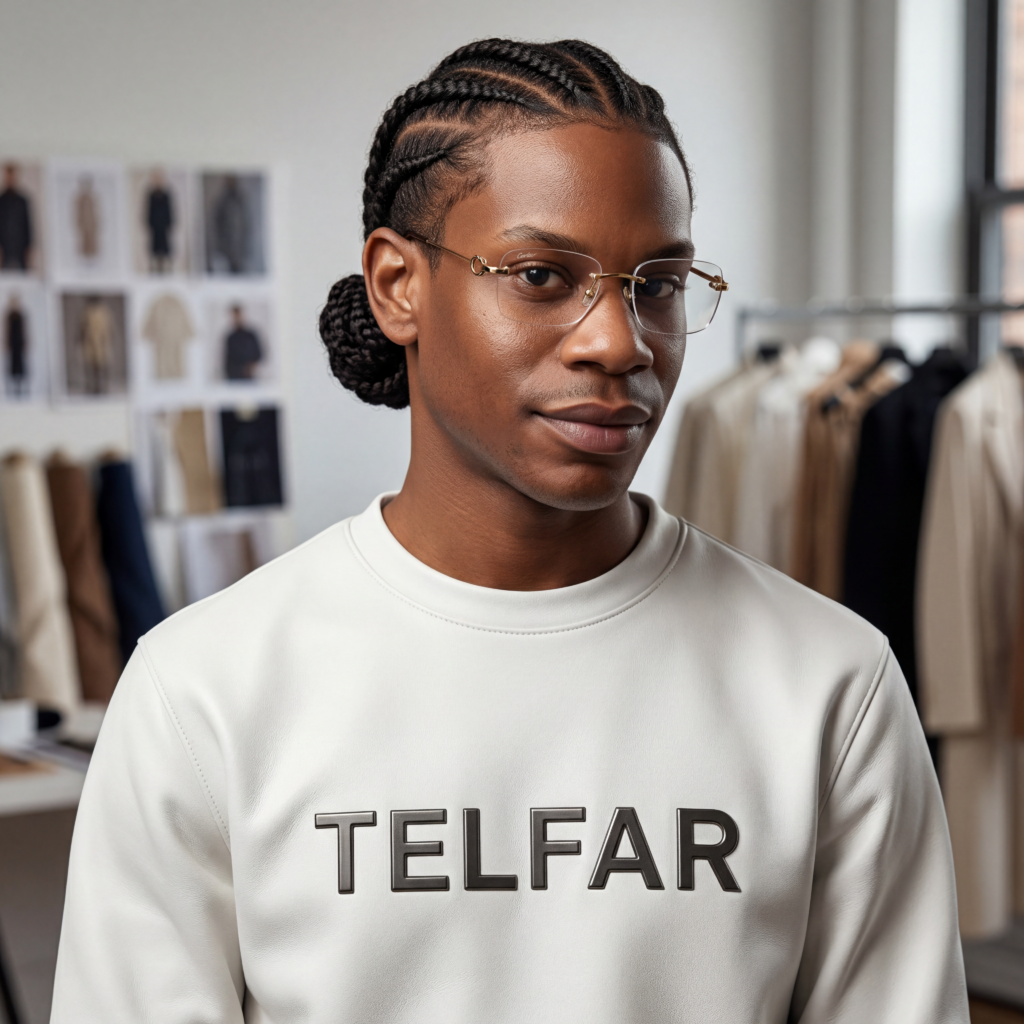
Frequently Asked Questions About Telfar Clemens and the Telfar Brand
What is Telfar Clemens’ net worth?
Telfar Clemens has an estimated net worth widely reported in the range of tens of millions of dollars, primarily generated through his independent fashion brand Telfar.
Unlike many designers who work under large luxury conglomerates, Clemens built his wealth through ownership of his brand, product sales, and global cultural influence.
His signature product, the Telfar Shopping Bag, became one of the most recognizable accessories of the 2020s and significantly increased the brand’s valuation and revenue potential.
What is the history of the Telfar Shopping Bag?
The Telfar Shopping Bag was introduced by the fashion label Telfar and quickly became the company’s most iconic product.
The bag features a minimalist silhouette and the distinctive Telfar “TC” logo. Its relatively accessible price point, typically between about $150 and $300: Which helped it reach a much wider audience than traditional luxury handbags.
Demand grew rapidly through social media and cultural adoption, especially in New York creative communities. The bag soon became one of the most recognizable fashion accessories of the decade, selling out repeatedly and gaining global attention.
Who created the “Bushwick Birkin”?
The “Bushwick Birkin” refers to the Telfar Shopping Bag created by Telfar Clemens.
The nickname compares the bag to the famous Hermès Birkin but highlights its cultural roots in New York’s creative neighborhoods rather than traditional luxury circles.
Unlike the Birkin, which represents exclusivity and extremely high prices, the Telfar bag represents accessibility and community-driven fashion. The nickname reflects how the bag became a cultural symbol among artists, creatives, and fashion enthusiasts.
What is the story behind the Telfar brand?
The fashion label Telfar was founded in 2005 by Telfar Clemens.
The brand was built around a philosophy that challenges traditional luxury fashion. Instead of exclusivity, Clemens promoted accessibility and cultural authenticity. The brand’s slogan “Not for you, for everyone” captures this mission.
Through innovative distribution strategies such as the Bag Security Program and strong cultural support from artists and creatives, the brand evolved from a small independent label into a globally recognized fashion movement.
Power Conclusion: A New Definition of the Fashion Mogul
Telfar Clemens did not follow the traditional path to fashion success.
He did not rely on celebrity gatekeepers or elite luxury institutions. Instead, he built a brand rooted in community identity, cultural authenticity, and accessibility.
By doing so, he transformed a simple bag into a global symbol.
More importantly, he proved that independent designers can reshape entire industries when they understand the cultural forces driving modern markets.
In an era where creativity and commerce are increasingly intertwined, Clemens represents a new type of mogul: one whose power comes not from exclusivity, but from cultural influence.
Build Cultural Power Like the World’s Most Innovative Founders
The rise of Telfar Clemens proves that culture is one of the most powerful economic forces in the modern marketplace. Brands that understand identity, community, and ownership are the ones shaping the future of fashion, media, and technology.
If you want to build a brand, platform, or business that moves culture instead of chasing trends, the Primal Mogul ecosystem was built for you.
Inside the platform, you gain access to the strategic intelligence, AI tools, and business frameworks used by modern founders to build powerful brands and scalable companies.
Join the Primal Mogul Membership Program and start building your own cultural empire.
- AI-Powered Business Intelligence: Access advanced AI tools designed to help you build brands, launch products, and structure scalable digital businesses.
- Mogul Vault Knowledge Library: Unlock hundreds of Power Posts, Mega Bios, and strategic guides breaking down how modern moguls build wealth and influence.
- Execution Systems for Entrepreneurs: Learn the frameworks used by founders to transform ideas into profitable companies and cultural movements.






Leave a Reply