The Rise of Al Haymon in the Boxing Industry
A Power Mega Bio for Builders, Strategists, and Silent Operators
Last Updated: December 29, 2025
Power Introduction
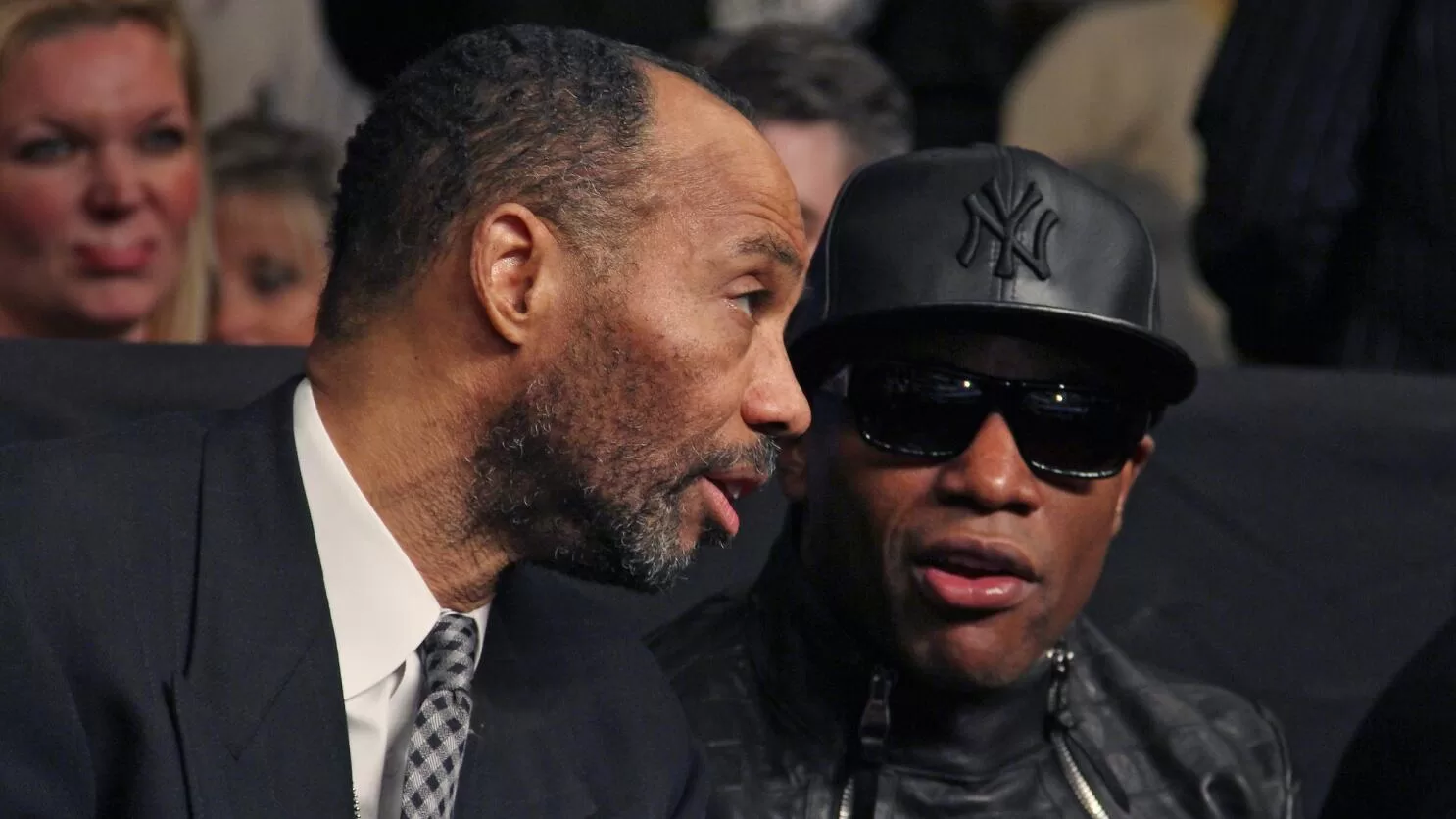
In modern boxing, few figures have reshaped the business without ever stepping into the spotlight. Al Haymon is not a promoter in the traditional sense, nor a celebrity executive.
He is a disciplined architect who reorganized incentives, television access, and fighter economics while remaining largely invisible to the public.
This article explains who Al Haymon is, how he moved from music promotion to boxing, why Premier Boxing Champions altered the industry’s structure, and what serious builders can learn from his methods without exposing protected systems.
What follows is not mythmaking or personality worship. It is a clear, grounded examination of decisions, structures, and outcomes.
The goal is understanding how power is built quietly, how leverage compounds over time, and how disciplined operators think when the stakes are high.
Early Formation and Academic Discipline
Harvard, Economics, and Pattern Recognition
Al Haymon was born on April 21, 1955(Aries/Taurus Cusp), in Cleveland, Ohio. He studied economics at Harvard College and later earned an MBA from Harvard Business School. That background matters because it shaped how he evaluates incentives, risk, and long term positioning.
Economics trains the mind to look past appearances and focus on flows of value. Business school adds structure, timing, and negotiation discipline.
Haymon’s education did not turn him into a public theorist. It trained him to identify mismatches between who creates value and who captures it. That insight would later define his role in boxing.
Early Signals of Independence
While still a student, Haymon used his own resources to promote concerts. This was not about chasing attention. It was about control.
He learned early that ownership of distribution determines leverage. That principle stayed with him as he moved into larger stages of entertainment.
From Music Promotion to Boxing Strategy
Building Scale Without Public Branding
Before boxing, Al Haymon built a successful career in music promotion. He worked with major artists and large touring events, including large scale R&B concerts that required logistics, sponsorships, and precise execution.
Music promotion taught him how to package talent, sell to networks, and protect the interests of performers while dealing with powerful intermediaries.
More importantly, it showed him how industries normalize unequal splits. Artists create demand. Gatekeepers monetize it. Haymon paid attention to that imbalance.
Al Haymon was a high-level music promoter and entrepreneur:
He worked with major acts such as:
- Whitney Houston
- Mary J. Blige
- M.C. Hammer
- New Edition
- Rick James
- Bobby Brown
Entering Boxing Through Management
Haymon entered boxing around 2000 as an adviser and manager. His early work with fighters like Vernon Forrest demonstrated a different posture.
He was not interested in being a visible promoter. He focused on contract terms, media access, and long term earnings. This approach reached full expression through his work with Floyd Mayweather Jr..

Floyd Mayweather Jr. and the Shift in Fighter Power
Redefining the Advisor Relationship
When Haymon began advising Mayweather in the mid 2000s, boxing economics were rigid. Promoters controlled schedules, networks, and revenue splits. Haymon helped Mayweather renegotiate those dynamics by prioritizing control over visibility.
Mayweather’s later career demonstrated the result. He became a fighter who chose opponents, dictated terms, and captured an unprecedented share of event revenue.
The advisor did not become famous. The fighter did. That distinction matters.
Proof Through Outcomes
Under Haymon’s guidance, Floyd Mayweather generated hundreds of millions in fight revenue.
The lesson is not just celebrity wealth. The lesson is structural leverage. When control shifts, outcomes change. Boxing noticed.
The Creation of Premier Boxing Champions
Why PBC Was Necessary
By the early 2010s, boxing faced declining visibility. Major fights were locked behind pay per view.
Younger audiences were disengaged. Networks had reduced exposure. Haymon identified a distribution problem, not a talent problem.
In 2015, he launched Premier Boxing Champions with significant financial backing. The goal was not to replace promoters publicly but to redesign how fights reached audiences.
Television Access as Strategy
PBC placed high level fights on widely available television platforms. Instead of asking fans to pay repeatedly for access, the model emphasized reach, sponsorship, and long term audience growth.
This move shifted bargaining power with broadcasters and gave fighters more consistent exposure.
The approach was controversial. It was also effective. Boxing returned to mainstream visibility for a period, and fighters under the PBC umbrella gained leverage in negotiations.
Impact on Fighters and Careers
Expanding the Earnings Conversation
Haymon’s influence extended beyond Mayweather. Fighters such as Gervonta Davis, Deontay Wilder, Errol Spence Jr., and others benefited from contracts that emphasized earnings stability and brand development.
The emphasis was not activity volume alone. It was value per appearance.
Management as Protection
Critics often focus on fighter inactivity. Supporters point to reduced exploitation. Both views exist.
What is clear is that Haymon reframed management as protection rather than exposure. That reframing changed expectations across the sport.
🥊 Scope of Representation & Influence
Haymon’s stable has included dozens of elite fighters over the years. Notable examples include:
- Floyd Mayweather Jr.
- Manny Pacquiao
- Luis Ortiz
- Caleb Plant
- Sergiy Derevyanchenko
- Josesito López
- Marcus Browne
- Dominic Breazeale
- Guillermo Rigondeaux
- Andy Ruiz Jr.
Historically, his network has included many more, with industry estimates suggesting 30+ prominent fighters represented across eras.
BoxRec identifies Haymon as past manager for fighters including:
- Lamon Brewster
- Paul Williams
- Lucas Matthysse
- Vernon Forrest
- Enrique Ornelas and others.
His ability to attract talent is partly due to his focus on maximizing incomes over traditional promoter incentives.

Controversies and Structural Tension
The Muhammad Ali Boxing Reform Act
Haymon’s dual role as adviser and the architect behind PBC drew scrutiny under the Ali Act, which seeks to separate promoters from managers.
Critics argued that influence blurred lines. Supporters countered that the structure corrected long standing inequities.
This tension highlights a broader truth. When systems change, resistance follows. Haymon did not respond publicly. He adjusted quietly.
Privacy as Strategy
Haymon rarely gives interviews and avoids public appearances. This is not accidental. Privacy limits leverage against you. It reduces narrative manipulation. It forces outcomes to speak louder than opinions.
Leadership Style and Operating Philosophy
Quiet Authority
Haymon’s leadership is defined by restraint. This powerful promoter does not sell himself as a visionary. He does not court followers. He builds frameworks that allow others to shine while he remains structurally central.
This style confuses those who equate leadership with visibility. It resonates with operators who understand that attention is a cost.
Control of Information
Information discipline is a recurring theme. Haymon shares selectively. He negotiates precisely. He avoids unnecessary exposure. This creates uncertainty for opponents and stability for allies.
The Digital Era and Boxing’s Future
Broadcasting in Transition
With changes in sports media, including shifts away from traditional cable, boxing continues to search for stable models. Haymon’s earlier emphasis on broad access positioned him ahead of many peers.
The exact future paths remain fluid, but the lesson stands. Control distribution early or pay for it later.
Long Term Influence
Regardless of current cycles, Haymon’s imprint remains. Fighters now ask different questions.
Networks negotiate differently. Advisors are taken more seriously. The industry cannot revert to its previous form without acknowledging his impact.
💰 Net Worth
Net worth estimates vary widely because Haymon is so private, but multiple industry sources place him in the high eight-figure to possibly low nine-figure range: tied largely to:
- Boxing management fees
- PBC television revenue
- Long-term fighter relationships
- Historical entertainment promotion earnings
No verified public disclosure exists due to his preference for privacy.
What Primal Mogul Members Should Learn
Structural Thinking Over Personality
Haymon’s story is not about charisma. It is about structure. Builders should study how he aligned incentives, controlled access, and protected stakeholders.
Systems Without Exposure
One of the most important lessons is that systems can be powerful without being public. Visibility is optional. Control is not.
Distribution Is Power
Whether in boxing, media, or business, whoever controls distribution controls outcomes. Haymon understood this before most of his peers.
A Controlled Teaser on Modern Automation
Modern business mirrors boxing more than most realize. Talent alone does not win. Systems decide who gets paid, who gets seen, and who lasts.
Today, digital platforms and automated intelligence play the role networks once did. The builders who understand how to design controlled support systems gain leverage quietly.
At Primal Mogul, members study how advisory structures, decision engines, and disciplined automation support growth without exposing internal mechanics.
The public sees outcomes. Members learn orientation and principles, not sensitive infrastructure.

Frequently Asked Questions
Who is Al Haymon in simple terms?
Al Haymon is a business adviser who reshaped boxing by prioritizing fighter leverage, television access, and long term economics while remaining largely out of public view.
Is Al Haymon a promoter?
He operates primarily as an adviser and architect rather than a traditional promoter, which is part of why his role has been debated.
Why is Premier Boxing Champions important?
PBC changed how boxing reached audiences by placing major fights on widely accessible platforms rather than limiting them to pay per view.
Why is Al Haymon so private?
Privacy limits external pressure, protects negotiations, and allows outcomes to define reputation rather than media narratives.
Did Al Haymon help Floyd Mayweather become wealthy?
Yes, through strategic advisory work that emphasized control, negotiation leverage, and revenue capture.
What industries can learn from Haymon?
Any field where talent depends on gatekeepers can learn from his approach to distribution and incentive alignment.
Is Al Haymon still influential today?
Yes. Even when not visible, his structural changes continue to shape fighter expectations and media negotiations.
Power Conclusion
Al Haymon’s rise is not a tale of fame or spectacle. It is a case study in disciplined authority. By combining academic training, entertainment logistics, and an unwavering focus on control, he altered the economics of boxing without needing public validation.
His methods remind serious builders that lasting influence comes from structure, not noise.
For those building in modern markets, the relevance is clear. Understand incentives. Control distribution. Protect your position. Let results speak.
The Next Step
If this analysis sharpened how you see power, structure, and quiet leverage, Primal Mogul is where that understanding becomes operational.
Join Primal Mogul and gain access to:
- Structured education designed for real execution across business, media, and leadership
- Private strategic tools and guided systems that prioritize control and clarity
- Ongoing intelligence, updates, and disciplined analysis built for serious operators
This is where builders move beyond stories and into systems.
Primal Mogul Elite